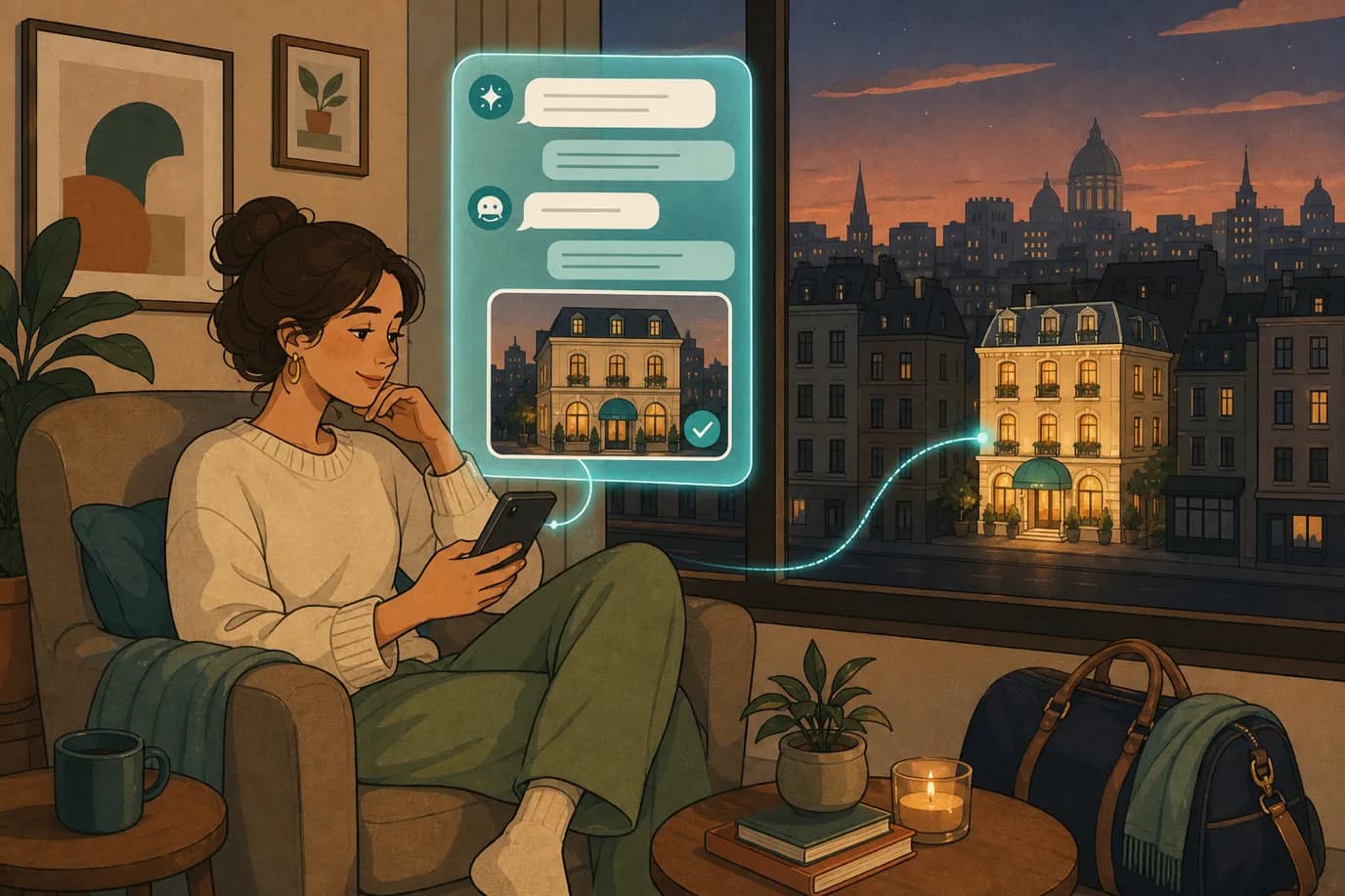
Guest communication used to mean a phone call or an email. The phone made guests sit through hold music. Email got buried in promotions. SMS open rates run around 98% versus 20% for email, and most messages get read within three minutes of arrival. Texting maps to how guests already use their phones, which is why hotel adoption has accelerated since 2020.
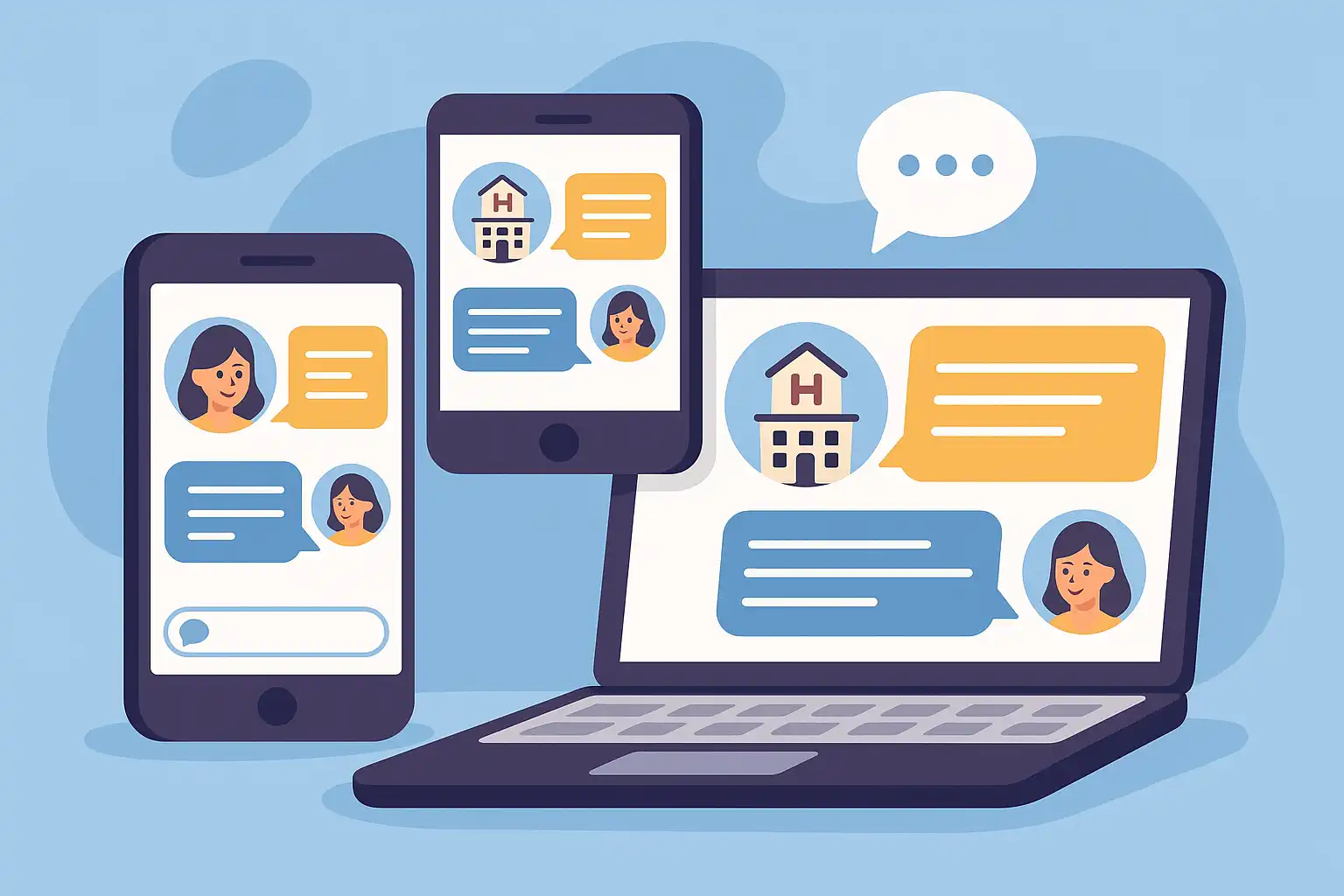
A texting system for hotels rewires the entire conversation with the guest. Real-time messages between guests and staff, guests who feel heard, operations that move faster, and a new revenue line that did not exist before. Prostay Nexus is the messaging stack we built for hotels that want every conversation to feel native to the property and run inside the existing operational workflow.
This guide covers what hotel texting systems actually do, how they connect to the rest of your tech stack, how staff use them on a busy night, and how Prostay Nexus changes the math on guest messaging for properties of every size.
What is a texting system for hotels?
A hotel texting system is the layer that lets the property and the guest exchange messages directly, on the device the guest already carries. No app to download, no phone call, no email thread. The guest texts. The hotel responds. Everything else, routing, history, integration with the PMS, happens in the background.
A purpose-built hotel text messaging system is a different animal from a generic SMS blaster. It reads the PMS, so the message a guest gets references their actual reservation. SMS, WhatsApp, email, and OTA messages all land in the same inbox the front desk works from.
Every guest already has the device. Every message lights up a lock screen. That is the whole bet behind guest messaging. Hotels get a clean tool that integrates with operations. Guests get answers in seconds instead of holding on a phone tree.
Prostay Nexus is the messaging product Prostay ships for hotels that want one inbox across SMS, WhatsApp, email, and the OTA channels. The software was built for hospitality from the first commit. The vocabulary is folio, room status, group block, not generic CRM jargon, and the integrations land where front-of-house actually works.
How Hotel Texting Systems Work
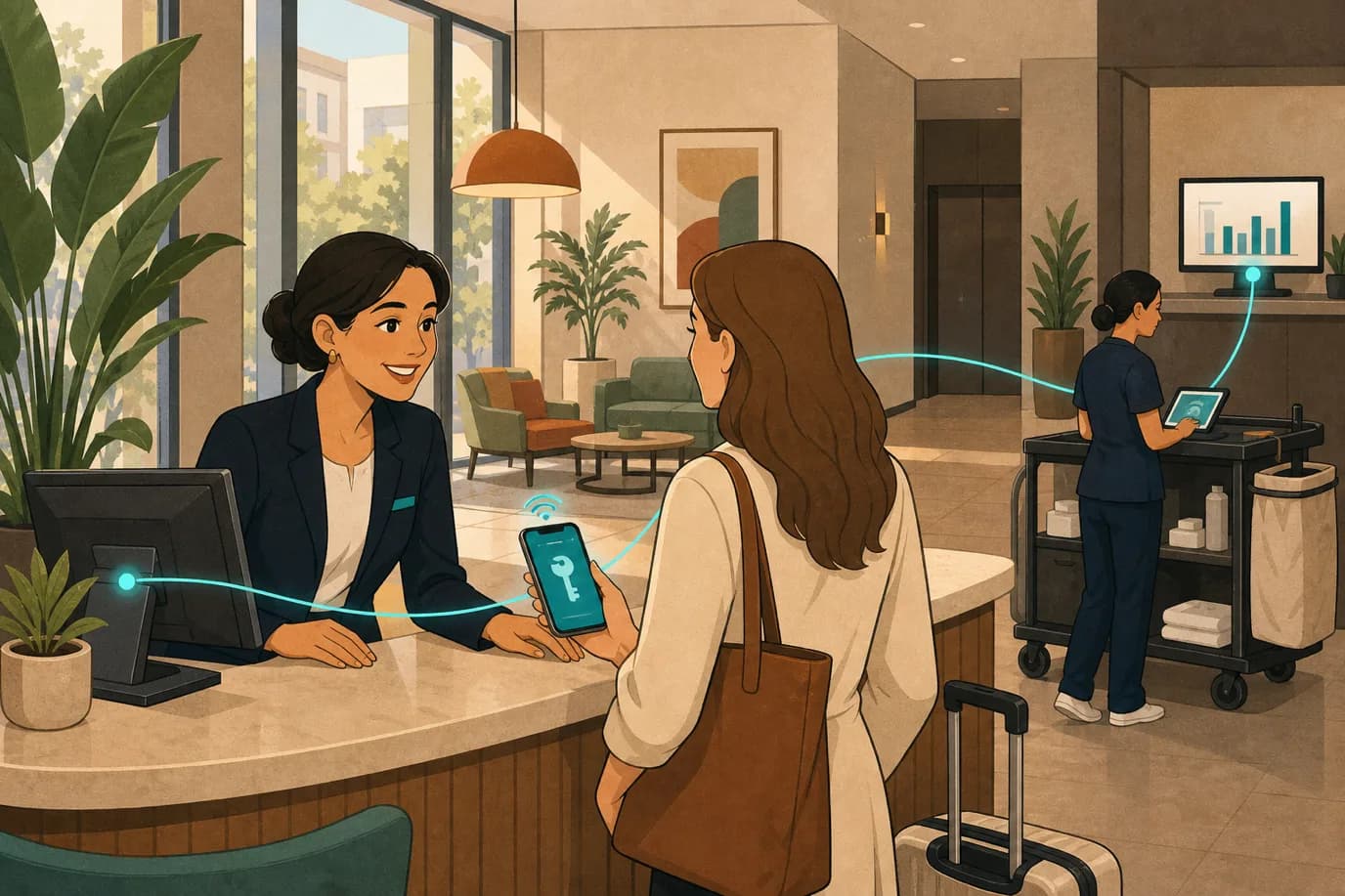
Hotel texting systems plug into the existing infrastructure rather than replace it. The PMS pushes the reservation into the messaging layer the moment the booking is made. By the time the confirmation email is sent, the guest already has a thread open with the hotel, populated with their reservation details and any preferences they noted at booking.
The platform sits behind the hotel's main phone number, so the guest texts the same number they would call. The system reads the inbound message, classifies the request, and routes it to the right department based on workflows the hotel defined ahead of time. Front desk for billing. Housekeeping for towels and toiletries. Engineering for the broken AC. Whatever rule set the GM put in place at go-live.
Prostay Nexus deepens that with a real-time PMS sync. Staff see the guest profile, the current room status, special requests, and folio open right inside the message thread. No alt-tabbing into Opera to check the rate code before answering a question about the bill.
Automated triggers carry most of the volume on a normal day. Booking confirmation goes out the moment the reservation is made. Pre-arrival instructions fire 48 hours before check-in. Mobile check-in link lands the morning of arrival. Post-stay review request goes out two days after departure. None of it requires a human to remember to send anything.
The model behind it improves with every guest exchange. Common questions get suggested responses that match how the property has answered them before, and personalisation strengthens as the guest history file grows.
Texting systems for hotels have several big advantages.
Hotel texting systems change the way things work and how guests feel about their stay in every way. These benefits go beyond just making communication better; they also add real value for both visitors and hotel staff.
Instant communication leads to happier guests.
Travellers today anticipate quick answers to their questions and needs. Hotel guest messaging software meets this need by letting guests talk to hotel staff at any time of day or night, which connects them with hotel services right away. More than 85% of hotel customers prefer texting than talking on the phone, especially for routine questions and requests, according to research.
Less work for staff with smart automation
Automated messages take care of common questions regarding hotel facilities, policies, and local information, which lets personnel focus on more complicated client needs and high-value encounters. This automation cuts down on the number of calls to the front desk by a lot while keeping the quality of service the same at all guest touchpoints.
Making more money through strategic messaging
Hotel text messaging systems open customers new ways to make money through targeted upselling and promotional efforts. Data shows that upsell offers received 2–3 hours after check-in have conversion rates that are 40–60% higher than those provided at other times. This shows how important it is to time guest contacts strategically.

Better efficiency in operations
Unified communication management puts all visitor interactions on one platform, so you don't have to deal with the mess of handling multiple communication channels separately. This simpler method speeds up responses, cuts down on misunderstandings, and makes sure that staff can always see full discussion histories.
Personalised interactions that make guests more loyal
Personalisation that pulls from real stay history changes the loyalty curve. A returning guest who gets a message that references their last visit, their favourite room number, or the amenity they used last time. That is the kind of detail that drives the next direct booking.
Communicating with Prostay Nexus about the guest journey
Messaging Before Arrival
The visitor experience starts long before they arrive, and Prostay Nexus makes the most of this important time by sending smart pre-arrival messages. Automated booking confirmations include all the information about the reservation, the hotel, and a personalised welcome letter that sets favourable expectations from the moment of booking.
Pre-stay instructions get rid of frequent problems that guests have before they arrive by giving them detailed check-in processes, parking information, and helpful advice for getting there that are specific to each guest's needs. The technology automatically adds guest preferences that were collected during the booking process, making sure that every message feels personal instead of generic.
Local area recommendations and weather updates show that you are providing proactive service that makes guests more prepared and happy. These messages make the hotel seem like a knowledgable local expert and get people excited about their planned stay.
Communication During Your Stay
Prostay Nexus makes it easy for any guest service requests to be sent in real time during the stay. Guests can send a text message to the right department with all the information about their request and room status, whether they need help with housekeeping, maintenance, or room service.
Guests text questions about pool hours, gym access, late checkout, or the nearest coffee shop directly. The answer comes back in under a minute. No queue at the desk. The routing engine sends each message to the staff member best positioned to answer it, which is rarely the front desk on a busy Saturday.
Mid-stay check-in messages catch problems while there is still time to fix them. A simple text on day two asking how the room is working surfaces the broken hairdryer or the noisy hallway before it becomes a one-star review. The fix is cheap. The lost review is not.
Notifications on events and special deals on hotel services are sent at the best times based on how guests act and what they like, which keeps them interested without overwhelming them with too much information.
Engagement After the Stay
After the guest leaves, the relationship continues through planned post-stay involvement that is meant to get more reservations and good ratings. Automated checkout confirmations give you a summary of your final bill and information about when you need to leave, making sure your stay ends smoothly.
Thank you notes that show how much you appreciate your guests' visits help keep the good thoughts about the hotel experience going and keep the personal connection you made during the visit. These messages often mention specific services that were enjoyed or experiences with staff that were remembered.
Review requests that include direct links to preferred feedback platforms make it easier for happy visitors to share their good experiences and give hotels useful input that they can use to get better. Strategically scheduling these enquiries greatly increases the number of people who respond and the quality of the reviews.
Future booking deals and changes to the loyalty program keep former visitors interested by offering them exclusive deals and member benefits that are tailored to their preferences and stay patterns.
Prostay Nexus's Advanced Features
Automation with AI
Prostay Nexus uses advanced AI to automatically respond to common questions regarding hotel policy, facilities, and local information. This AI system gets the subtleties and context of normal language, so it gives correct, useful answers that feel more personal than robotic.
Smart message routing looks at the content of passenger enquiries and sends them to the right hotel department based on the type of request, how urgent it is, and how knowledgeable the staff is. This smart distribution makes sure that guests get help from experts while also making sure that staff members work more efficiently.
Predictive messaging looks at how visitors act and what they like to provide them useful information and deals before they even know they need them. This service that anticipates needs shows great hospitality and opens up natural upselling chances.
Escalation methods automatically find complicated problems that need human help, making sure that delicate situations get rapid attention from qualified staff members while keeping communication flowing smoothly.
Unified Communication Centre
The platform's unified communication centre combines SMS, WhatsApp, email, and OTA messages into one easy-to-use dashboard, which makes communication less confusing. This centralisation makes sure that no visitor message goes missed and gives full access to all communication channels.
Complete conversation history tracking keeps thorough records of every visitor interaction across all channels and stay periods. This makes sure that service is always the same and that decisions can be made based on all the information, no matter who is handling the next communication.
Team collaboration tools make it easy for hotel departments to pass off tasks to each other, so visitors never have to wait for service when their requests need more than one team to work on them. Some of these features are the ability to send messages within the system, assign tasks, and keep track of how problems are being solved.
Delivery and read receipts surface in real time. Front desk supervisors can see which guest pings sat unanswered for ten minutes and which ones got handled in thirty seconds. That data fuels the service-standard review.
Uses in Business
Texting changes the room service workflow. Guests text the order from their phone instead of calling. Menu PDFs go in the same thread. Delivery status pings the guest when the cart leaves the kitchen. Order errors drop because the text is the order, written by the guest in their own words. Kitchens batch orders by section, expediting two-tops together with the family of four down the hall.
Cleaning schedules and special guest requests that go through a central message system make housekeeping much more efficient. Staff get real-time updates about changes in room status, visitor checkout times, and specialised cleaning needs, which lets them provide better service.
Managing maintenance requests through text messaging systems makes sure that problems with the property get timely attention, with the right priority levels and tracking of when they are finished. Guests may quickly report concerns, and maintenance personnel get specific information and pictures that assist them come up with the right fixes.
Concierge work runs in threads instead of phone tag. Restaurant bookings, transport pickups, and tour reservations live in the guest's chat history. Past requests carry over the next time they stay.
Front desk support extends past the physical desk through messaging. Pre-arrival check-in, late checkout requests, billing questions, parking instructions, and questions about the breakfast hours all run through the chat. Lobby traffic at peak hours drops because guests get the answer they need without standing in line for a clerk.
Prostay Nexus's ability to connect with other systems
Prostay Nexus integrates with Opera, Maestro, and RoomKey, the three PMS platforms most independent and chain hotels run. The integration is bidirectional. Guest profile, room status, charges, and folio updates flow into the messaging layer the moment they change in the PMS, and replies write back the same way.
Channel manager and booking engine integration normalize the guest record across origins. A booking from the hotel website, Booking.com, Expedia, or a corporate travel agent lands in the same messaging thread the moment the reservation hits the PMS. The guest's experience is identical regardless of which OTA closed the booking.
Messaging capabilities work with existing hotel phone systems and contact centres, so they don't replace them. This method keeps things running smoothly while making sure that communication is as effective as possible on all channels.
API connectivity lets you integrate proprietary hotel software and third-party apps, giving hotels with specific operational needs or existing technology investments more options.
By syncing with guest profile databases and loyalty program systems, messaging material can show current member status, preferences, and rewards available. This makes guest communications more relevant and useful.
Revenue Generation Features
Texting is also a revenue tool. Room upgrades, spa add-ons, and restaurant bookings convert at multiples of the OTA upsell rate when they hit the guest at the right moment. Prostay Nexus reads the booking purpose, the guest profile, and live behaviour signals to time the offer so it lands as a useful suggestion, not a shove.
Soft midweek nights are the obvious case. Promote the spa or the chef's tasting menu to guests already on property. Inventory that would otherwise sit idle gets monetised, the guest gets a reason to stay engaged, and the campaign targets only the segments that have historically converted.
Personalised offers built on historical stay data convert harder than blast campaigns. The guest who booked a spa treatment last visit gets a package suggestion. The corporate traveller gets the work-from-anywhere setup with the printer access and the late breakfast voucher. The signal is from real data, not a generic segment.
SMS is the right channel for last-minute inventory and flash promotions. Past guests open the message in under three minutes on average. A 24-hour offer to a list of people who already know the property converts at rates that make email look like a postcard.
Partner promotion integration lets hotels make money from their connections with local sites and activities while giving visitors personalised experiences that make their trips more enjoyable.
Setting up and implementing
The first step in implementing Prostay Nexus is a full deployment process backed by technical professionals that know how hospitality works. The short deployment period keeps daily operations running smoothly while making sure that all system features work properly from the start.
Staff training covers the system and the messaging style separately. The platform itself takes about an afternoon for a front desk agent to learn. The harder part is the voice. The training modules walk through how to write a reply that sounds like the hotel, not like a chatbot, across the front desk, supervisor, and analyst seats.
Templates are property-specific. The boutique on the Adriatic does not write the same way as the airport business hotel. Prostay Nexus lets the GM and the marketing lead set the voice once. Every automated message and every staff response inherits that voice unless it is intentionally overridden.
Before the whole system goes live, testing processes check that guests can communicate smoothly. These include checking that messages are delivered, that the system works with other systems, and that staff workflows are correct. This extensive testing method stops communication problems from happening during the important implementation phase.
Ongoing optimisation runs off real usage data. Which automated triggers convert. Which response templates get rewritten by staff before sending. Which channels carry the volume. The platform team uses that to ship updates that match how each property actually operates, not how a generic spec said hotels should work.
The hospitality industry is always changing to make visitor communication more personal and effective. Hotels that use current texting systems will be successful in the long run. Prostay Nexus has all the tools you need to improve guest interactions, make operations more efficient, and boost revenue growth through smart messaging.
Hotels who use Prostay Nexus get the best guest messaging software on the market, together with the support of experts in the hospitality industry and proven results. The platform's holistic approach to guest communication makes sure that every encounter adds to great experiences that make guests happy, loyal, and leave good reviews.
Are you ready to change the way your hotel talks to guests? Learn how Prostay Nexus can change the way your resort sends messages and make guests happier and operations run more smoothly.