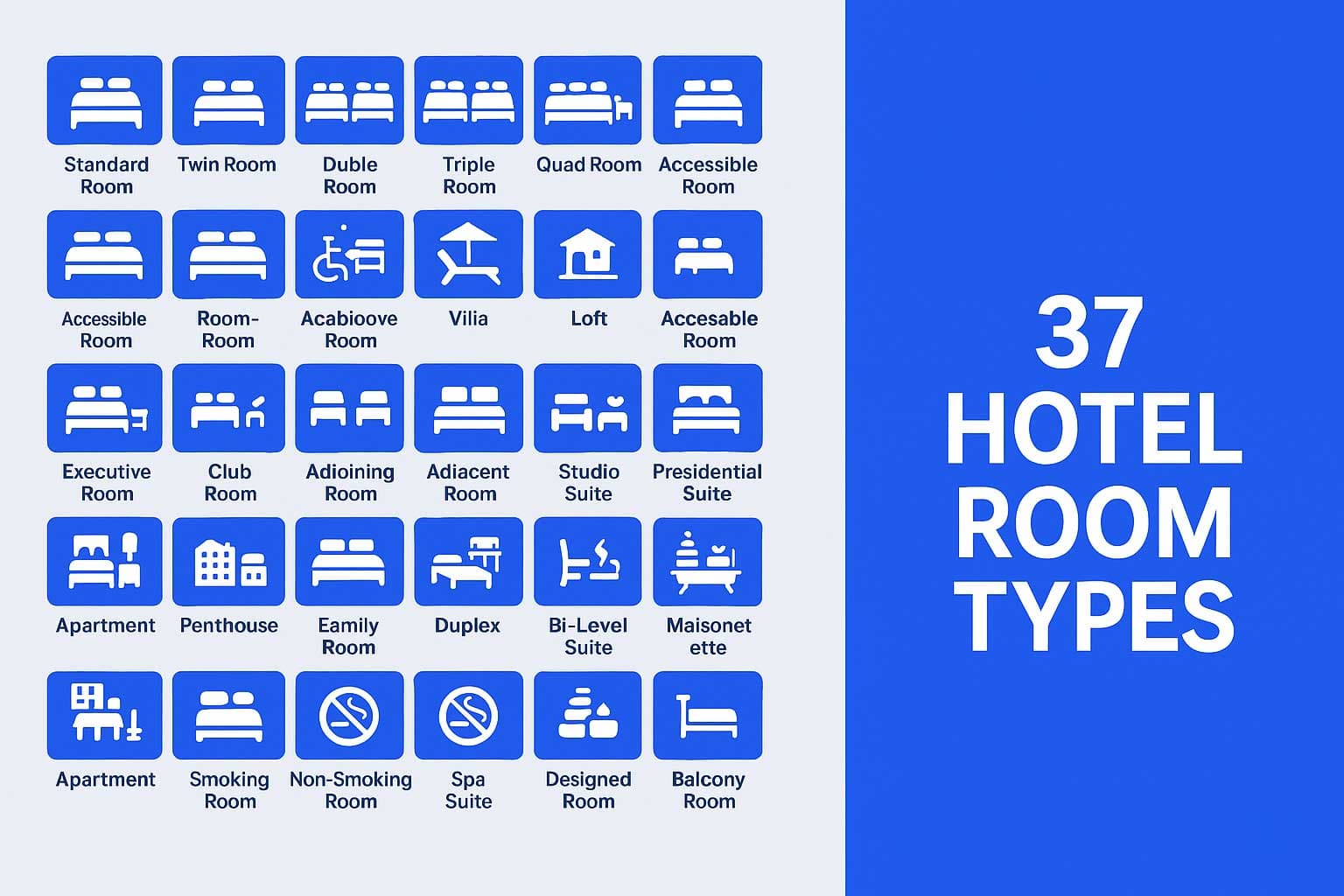
Choosing the right hotel room can truly shape your travel experience. Whether you’re planning a romantic escape, a business trip, or a family vacation, understanding the spectrum of hotel room types lets you make informed choices that fit your needs and budget.
Hotel room types aren’t just labels, they’re a vital classification system that hotels rely on to manage inventory, set pricing strategies, and guide guests toward accommodations tailored to their preferences. From the straightforward comfort of a standard room to the indulgence of a presidential suite, each category offers unique features and amenities crafted for different traveler profiles.
Drawing from years in hospitality and property management technology, I’ve seen how these classifications impact everything from guest satisfaction to revenue management. This guide walks you through every major hotel room category, from occupancy-based options to luxury suites, bed configurations, specialty rooms, and extended-stay accommodations. By the end, you’ll be equipped to select the ideal room for your next trip with confidence.
What are hotel room types?
At their core, hotel room types are standardized categories that properties use to differentiate accommodations by size, amenities, location, and target guest demographics. This system benefits both hotels and travelers by setting clear expectations and enabling consistent pricing across the industry.
The goal is simple: match guest needs with the right room. For example, a solo business traveler’s priorities differ vastly from those of a family on vacation. Hotels design room types to meet these varied demands, balancing affordability with premium options.
From an operational standpoint, room types also underpin inventory management and dynamic pricing. Typically, standard rooms make up the bulk of a hotel’s inventory, often 50-70%, while suites and specialty rooms, though fewer, command higher rates and cater to niche market segments.
Over the years, classification systems have evolved beyond the traditional single/double distinctions. Today’s hotels incorporate accessibility features, technology amenities, and lifestyle-focused designs. Major chains often juggle a dozen or more distinct room types at flagship properties, using granular segmentation to boost guest satisfaction and optimize revenue.
Hotel room types by occupancy
Understanding how hotels classify rooms by occupancy is key to selecting accommodations that comfortably fit your group without paying for wasted space or overcrowding.
Single rooms are tailored for solo travelers. These rooms usually feature one bed, whether a twin, double, or queen-sized bed depending on the property’s setup. They offer a cost-effective, efficient space with essential amenities like a private bathroom, workspace, and standard tech features. From a revenue management angle, single rooms help hotels optimize occupancy from individual travelers.
Double rooms accommodate two guests, typically with one double, queen, or king-sized bed. This is one of the most common room types, popular with couples and business partners sharing accommodations. Double rooms often provide a bit more space than singles, sometimes including enhanced seating or larger bathrooms to improve comfort.
Triple rooms are designed for three guests and come with various bed arrangements: three twin beds, a double plus a single bed, or a double bed with a sofa bed. These rooms meet the needs of small families or groups traveling together, offering intimate accommodations without stepping up to larger family rooms.
Quad rooms sleep four. The layout varies. Two doubles. Four singles. Sometimes a creative configuration with a sofa bed thrown in. Either way, more floor space and more storage than a double, since four people travel with four sets of luggage and four toothbrushes.
Family rooms are built around the kid problem. Bunk beds. Connecting doors between two units. A separate alcove with a curtain so the parents have somewhere to retreat after the children pass out. Outlet covers, low closet rods, and a bathtub instead of just a shower. The little stuff matters.
While terminology can vary by region and brand, these occupancy-based classifications provide a reliable framework for understanding how many guests each room comfortably houses.
Hotel room types by bed configuration
Bed setup is a critical factor in guest comfort and often a deciding point in selection of types of hotel rooms. Knowing standard bed sizes and arrangements helps ensure restful nights tailored to your party.
King rooms feature a single king-sized bed (76"x80"), ideal for couples seeking spacious sleeping quarters or solo travelers who value extra room. These rooms often carry a premium price and come with upgraded amenities reflecting their luxury positioning.
Queen hotel rooms offer a queen-sized bed (60"x80"), the most popular choice for couples. Queen beds strike a balance between comfort and efficient room layout, allowing hotels to include additional furniture and amenities without sacrificing space.
Twin rooms have two separate single beds, perfect for friends, colleagues, or family members who prefer their own sleeping space. This setup offers flexibility, with some hotels allowing the beds to be pushed together if desired.
Hollywood twin rooms are a European favorite, featuring two twin beds joined by a common headboard. This design maintains separate mattresses while presenting a unified aesthetic, appealing to couples who want individual sleeping surfaces without sacrificing style.
Double double rooms come with two double or queen beds, accommodating up to four guests comfortably. These rooms provide excellent value for families or groups, balancing space and cost effectively.
Studio hotel rooms blend sleeping and living areas, often including convertible furniture like sofa beds and sometimes a small kitchenette. These hybrid spaces appeal to extended-stay guests or travelers seeking apartment-style flexibility within a hotel environment.
Choosing the right bed configuration depends on your travel companions, personal preferences, and comfort priorities. Hotels typically price king rooms and studios at a premium due to their enhanced space and amenities.
Hotel room types by layout and design
Beyond beds, the overall room layout and design shape guest experience by defining space quality, amenities, and comfort levels.
Standard rooms form the backbone of most hotel inventories. They offer essential amenities, one or two beds, private bathroom, basic furnishings like a desk and chair, TV, and Wi-Fi, without premium upgrades. These rooms target budget-conscious travelers or those seeking straightforward accommodations.
Deluxe rooms elevate the experience with more space, superior views, upgraded furnishings, and extra amenities. You might find mini-fridges, coffee makers, premium bath products, and larger layouts. Deluxe rooms often occupy prime locations within the hotel, commanding a 15-25% premium over standard rooms.
Superior rooms sit one notch above standard but below deluxe. The view might be marginally better. The bed might be a notch up. The decor might be from this decade. The line between superior and deluxe is fuzzy and shifts brand by brand.
Executive rooms target the road warrior. Bigger desk. Real ergonomic chair. Outlets at the desk and beside the bed. Wi-Fi that won't drop a Zoom. Lounge access for breakfast and evening drinks. The hidden pull is the perks list. Express laundry, late checkout, the better robe.
| Room Type | Typical Size | Key Features | Price Premium |
|---|---|---|---|
| Standard | 250-350 sq ft | Basic amenities, standard view | Base rate |
| Superior | 300-400 sq ft | Better location, upgraded furnishings | 10-20% above standard |
| Deluxe | 350-450 sq ft | Premium amenities, better views | 15-25% above standard |
| Executive | 400-500 sq ft | Business amenities, lounge access | 25-40% above standard |
This classification helps hotels segment inventory effectively and sets clear guest expectations around comfort and included amenities.
Suite accommodations
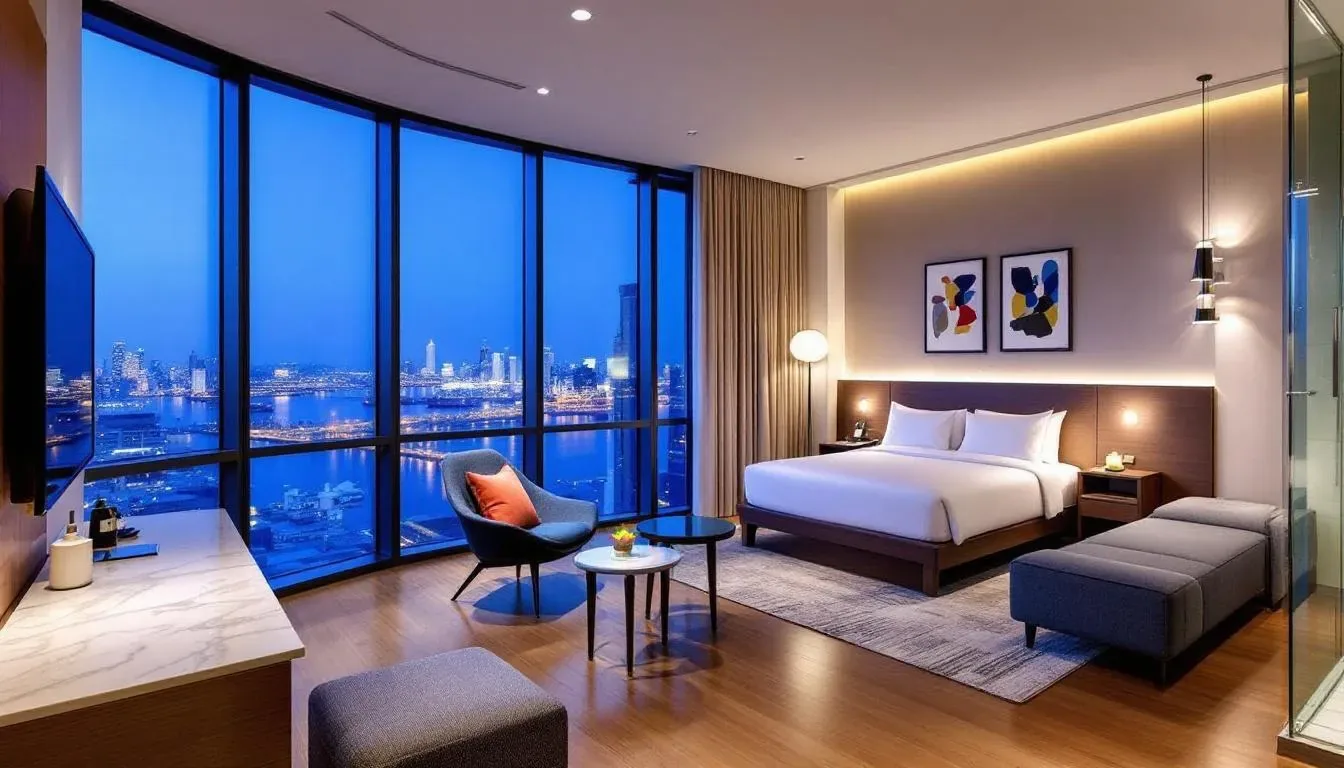
Suites represent the premium tier of hotel inventory, offering guests more space, luxury amenities, and elevated service levels. They cater to travelers seeking more than just a place to sleep, providing separate living areas that feel closer to a home than a hotel room as a type of hotel rooms.
Junior suites (or mini suites) typically offer about 1.5 times the space of a standard room. While often a single open layout, they include a defined sitting area separated by furniture rather than walls. Junior suites come with upgraded amenities like minibars, premium bath products, and enhanced technology, all while remaining more affordable than full suites.
One-bedroom suites provide true separation between sleeping and living spaces, with a closed bedroom door and a distinct living room furnished for comfort and entertainment. Many include kitchenettes, appealing to extended-stay guests, families wanting privacy, or travelers who entertain visitors.
Executive suites combine suite space with business-focused amenities: dedicated work areas, conference capabilities, premium tech integration, and access to exclusive executive services. These suites often feature multiple bedrooms, dining areas for entertaining, and spa-like bathrooms.
Presidential suites occupy the top luxury tier, boasting multiple bedrooms, separate dining rooms, exclusive amenities, and personalized services. Features might include private terraces, butler service, audiovisual equipment, and high-end finishes. These suites command premium rates, often more than double standard rooms, and cater to VIPs and special occasions.
Penthouse suites crown the top floors with panoramic views and ultimate luxury. Expansive outdoor spaces, multiple bedrooms, full kitchens, private pools, and exclusive hotel services characterize these accommodations. Guests here often enjoy private elevator access and white-glove concierge services.
Suites appeal to travelers valuing space, privacy, and elevated comfort, justifying their price premiums with a residential feel and enhanced amenities.
Specialty hotel rooms
Specialty types of hotel rooms address unique guest needs beyond standard accommodation, reflecting the hospitality industry’s commitment to inclusivity and tailored experiences.
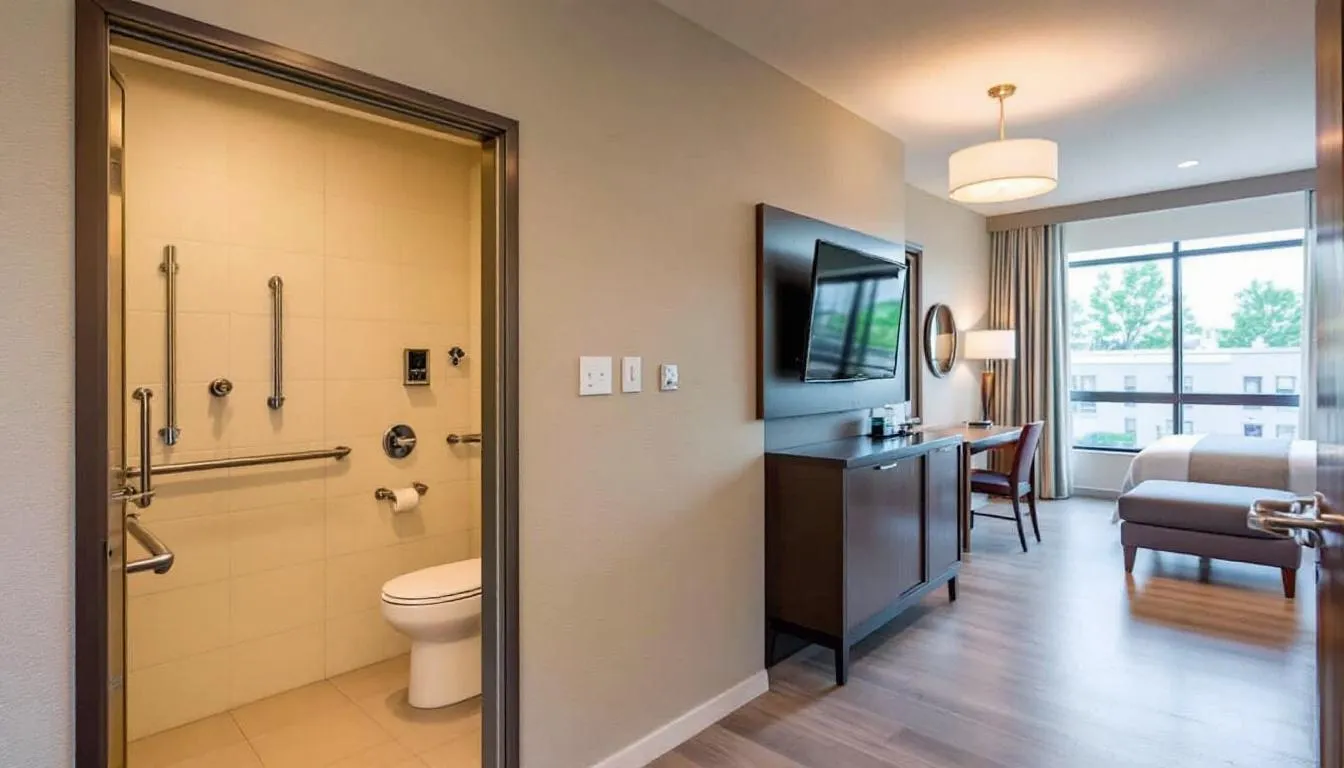
Accessible rooms comply with ADA and international standards, featuring wider doorways, grab bars, roll-in showers, lowered controls, and emergency alert systems. These rooms ensure guests with mobility challenges enjoy comfort and safety without sacrificing amenities.
Connecting rooms consist of two separate rooms linked by a private internal door, ideal for families or groups desiring privacy alongside easy access. This setup is popular among parents traveling with older children, business groups, or friends seeking a balance between togetherness and independence. Due to limited availability, connecting rooms often require early booking.
Adjoining rooms share a common wall but lack an internal connecting door. They suit groups wanting proximity without shared access, offering privacy while keeping guests close.
Pet-friendly rooms accommodate travelers with companion animals, often featuring easy-to-clean flooring, pet beds, feeding bowls, and convenient outdoor access. Policies vary, with some hotels imposing size, breed, or number restrictions, and usually requiring deposits or fees.
Smoking rooms have become increasingly rare due to health concerns and regulations. Most hotels designate non-smoking rooms, with any smoking accommodations typically confined to specific floors or sections.
Availability of specialty rooms varies widely by property size, brand standards, and local laws. Guests with special requirements should book early and confirm features directly with the hotel.
Hotel rooms by view and location
Room views and location within a property profoundly influence guest experience and pricing. Premium vistas command significant rate premiums, so understanding view categories helps balance budget and scenic preferences.
Ocean view rooms offer direct views of the sea or large water bodies, commanding top premiums due to limited availability and high demand. These rooms often feature private balconies or expansive windows that maximize water vistas, appealing to leisure travelers and couples on special occasions.
Mountain view rooms overlook hills or mountain landscapes, offering peaceful natural scenery. These rooms typically include outdoor seating areas like balconies or patios and attract guests seeking tranquility at a lower premium than ocean views.
Garden view rooms look out onto landscaped grounds, courtyards, or parks, providing serene environments without the cost of premium location. Ground-floor access is common, appealing to guests valuing quiet and greenery.
City view rooms showcase urban skylines or architectural landmarks, favored by business travelers and urban explorers. In major metropolitan areas, these views can command notable premiums, especially when featuring iconic sights.
Pool view rooms overlook hotel pools, popular with families and leisure travelers prioritizing poolside access. These rooms often include balconies or patios with direct views of aquatic facilities.
View premiums typically range from 10-50% above standard rates, influenced by location, seasonality, and property positioning. Guests should weigh how much time they’ll spend enjoying the view versus exploring their destination.
Extended stay and apartment-style accommodations
Extended stay and apartment-style options bridge the gap between traditional hotel rooms and residential living, catering to guests needing longer-term stays or home-like amenities.
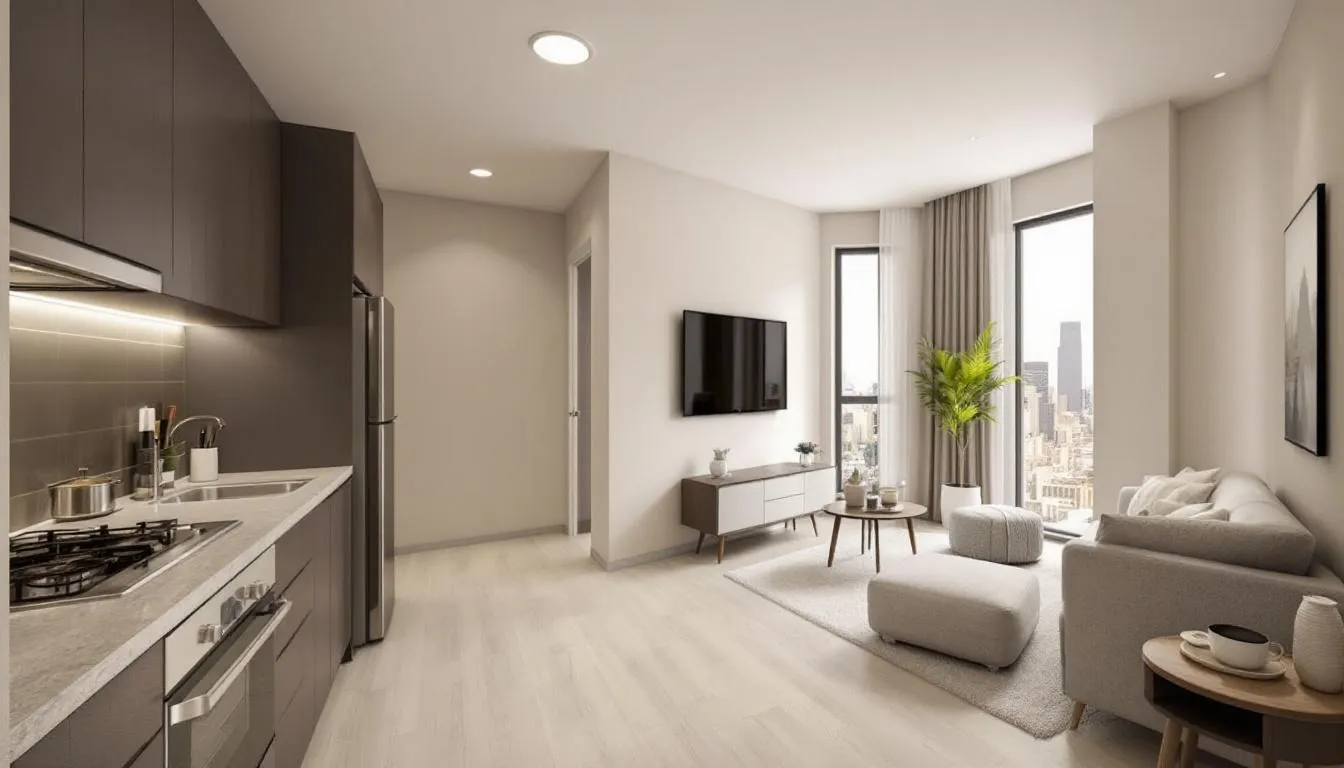
Apartment rooms ship with a kitchen, a separate living space, dining, and a washer-dryer. Real residential. Built for the relocating professional, the extended vacation, the business traveler tired of room service.
Extended stay rooms are designed for stays measured in weeks or months. Full kitchen. Separate bedroom. A workspace big enough for two monitors. Real storage. Weekly and monthly rates that drop hard against the nightly equivalent. The model only works if guests stay long enough to amortize the setup.
Serviced apartments are the hotel-apartment hybrid. Housekeeping shows up. The concierge takes calls. The front desk runs reservations. The kitchen is yours and so is the option to skip every service offered.
Villas and bungalows are the standalone option. No shared walls. Multiple bedrooms. Private pool, if the resort tier supports it. Outdoor space measured in square footage that would fit a starter home. Built for groups, families, or anyone willing to pay for the privacy.
Typical stay lengths vary:
| Accommodation Type | Typical Stay Length | Key Amenities | Target Guest |
|---|---|---|---|
| Apartment rooms | 1-4 weeks | Full kitchen, laundry | Relocating professionals |
| Extended stay | 2+ weeks | Kitchen, work space | Business travelers |
| Serviced apartments | 1-12 weeks | Hotel services + apartment features | Corporate housing |
| Villas | 3-14 days | Private pool, multiple bedrooms | Luxury leisure travelers |
Extended stay options offer better value and flexibility for longer visits, combining comfort and convenience.
Luxury and premium room categories
Luxury and premium categories represent the upper echelon of hotel accommodation types, featuring exceptional amenities, personalized services, and exclusive experiences that justify significant price premiums.
Luxury rooms showcase high-end materials, designer furnishings, sophisticated technology, and exclusive amenities like marble bathrooms, rain showers, heated floors, and premium linens. These rooms often come with dedicated concierge service, curated minibar selections, and exclusive access to hotel facilities.
VIP rooms emphasize privacy and personalized service, including private check-in, dedicated floors, personal butlers, and customized amenities. These accommodations might feature private terraces, exclusive dining options, and bespoke room configurations.
Boutique rooms highlight unique design aesthetics, artistic decor, and themed environments that set them apart from standard hotel rooms. Boutique hotels often infuse local culture and creativity into their spaces, appealing to travelers seeking memorable, Instagram-worthy stays.
Resort rooms cater to leisure travelers with spacious layouts, private balconies overlooking resort grounds or natural features, and amenities like beach access, golf course views, or spa proximity. These rooms often include outdoor seating and premium bedding designed for relaxation.
Luxury accommodations typically command 100-300% premiums over standard rooms but offer experiences that extend far beyond basic lodging to create lasting memories.
Common premium services include:
- 24-hour gourmet room service
- Turndown service with luxury amenities
- Express laundry and dry cleaning
- Personal concierge for reservations and planning
- Complimentary airport transfers or luxury transport
- Access to exclusive club lounges
- Priority spa and restaurant bookings
- Personalized welcome amenities
How to choose the right hotel room type
Picking the right room involves balancing your travel purpose, group size, budget, and amenity needs. A thoughtful approach ensures you maximize value and comfort.
Start by clarifying your travel purpose: business trips call for executive rooms with reliable tech and workspaces, families need rooms with space and kid-friendly features, while romantic getaways might prioritize premium views and privacy.
Next, consider your group size and sleeping arrangements. Solo travelers can save with single rooms, couples might prefer king or queen rooms, and families should explore family rooms, connecting rooms, or suites.
Budget is key, compare room prices against features that matter most to you. Deluxe rooms might be worth the splurge for better views, while extended-stay guests may find apartment-style rooms more economical.
Finally, factor in specific amenities for the each of the types of hotel rooms in your property. Accessibility needs require compliant rooms, pet owners need pet-friendly options, and business travelers may want access to lounges or meeting spaces.
When reading room descriptions, watch for terms like “partial view” (which might mean limited sightlines) or “garden view” (which could overlook parking). Definitions of “deluxe” and “superior” vary by brand, so don’t hesitate to contact hotels for clarity.
Understanding these hotel room types lets smarter booking decisions, ensuring your stay supports your travel goals and comfort.

With the diversity of hotel room types available today, from accessible rooms to luxurious presidential suites, having a clear understanding helps you navigate options confidently. Whether you prioritize workspace, family convenience, or breathtaking views, knowing what each room type offers ensures your accommodations enhance your travel experience rather than complicate it.
Take the time to research, ask questions, and align your choice with your unique needs. This investment pays off in comfort, satisfaction, and memorable stays. Happy travels!