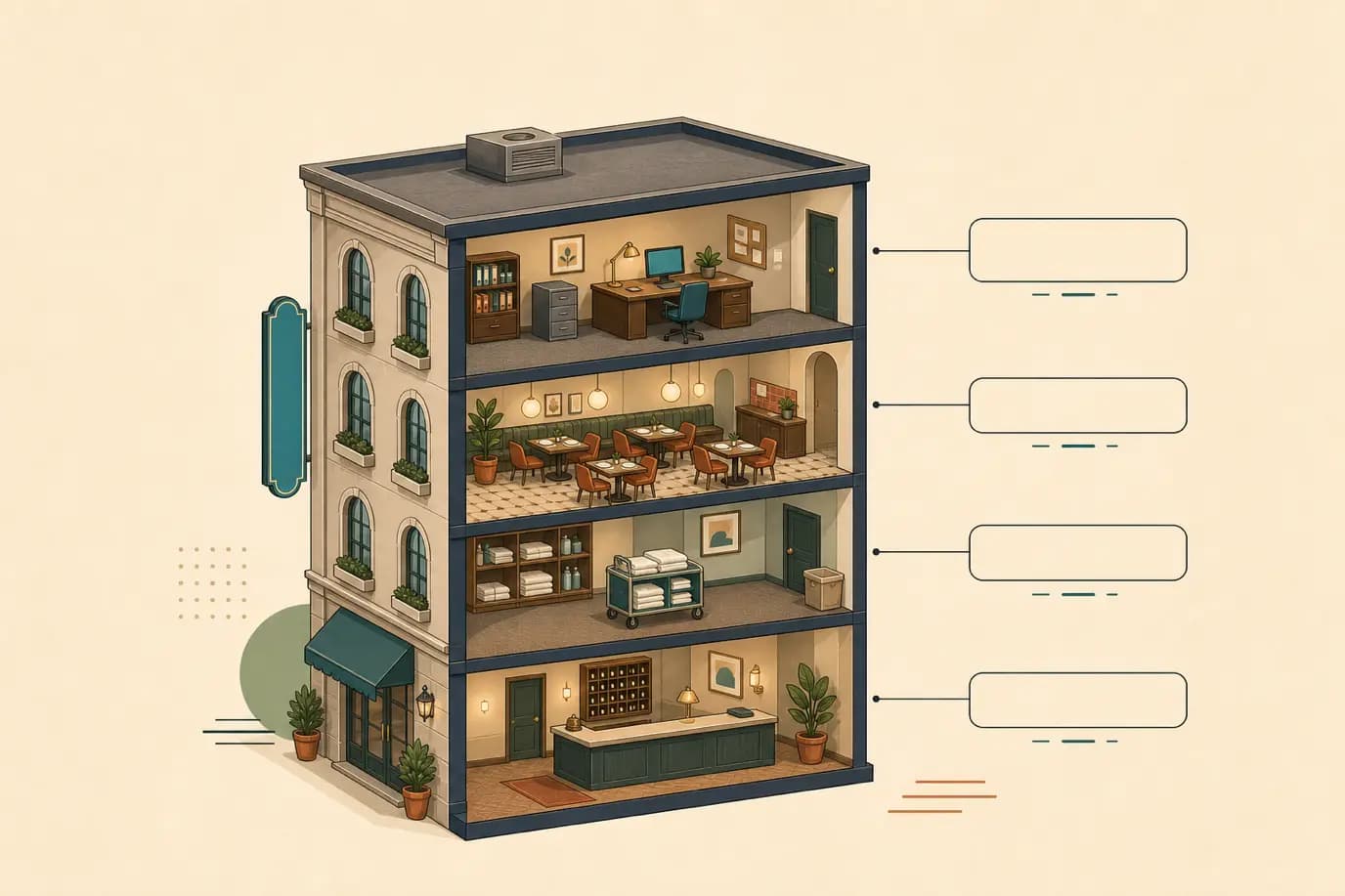

If you're a hotelier looking to navigate the exciting world of budget accommodations, getting to know hostels is a smart move. Hostels have grown into a popular part of the hospitality scene, welcoming millions of travelers from all over the globe every year. This guide will walk you through what makes a hostel unique, how they operate, and what you should consider if you want to dive into this lively market.
What is a Hostel?
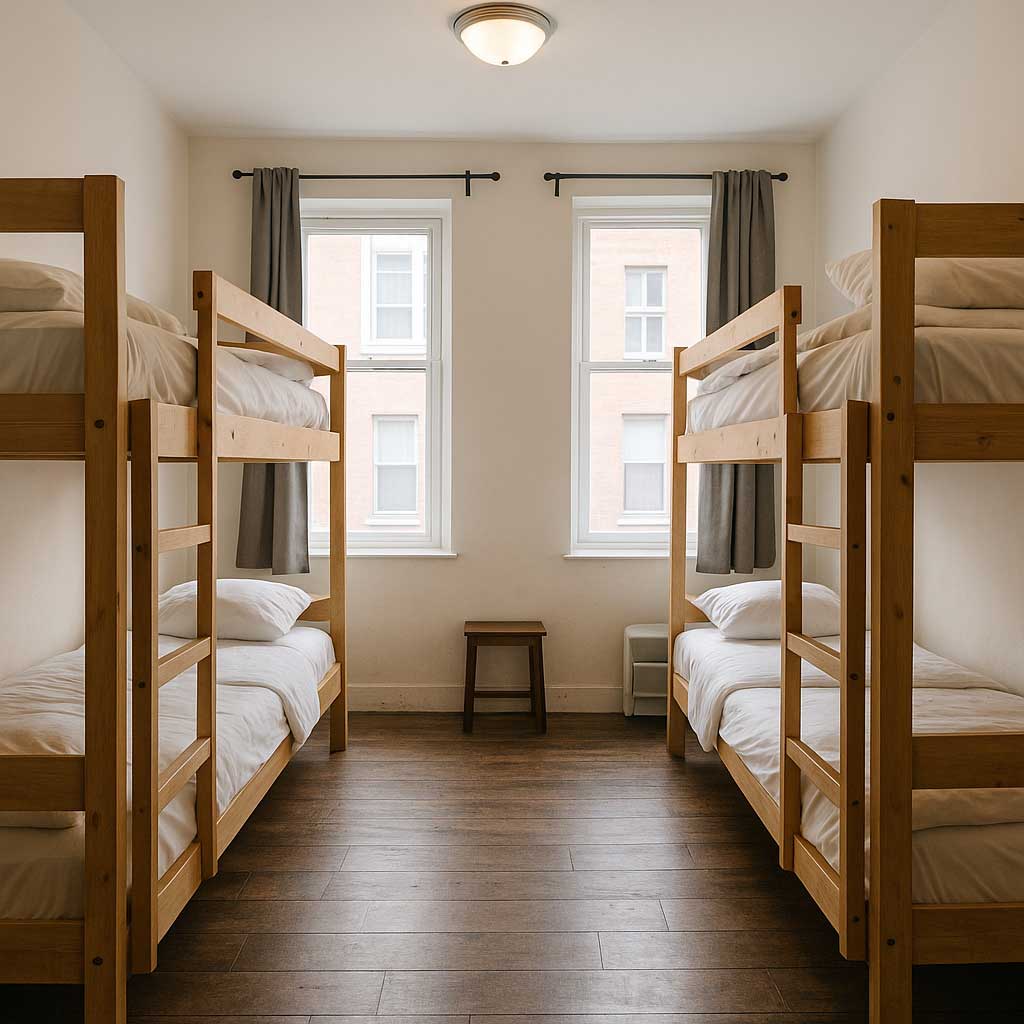
Simply put, a hostel is a budget-friendly lodging option that mainly features shared dormitory-style rooms filled with bunk beds, often hosting anywhere from 4 to 20 guests in a single room. Unlike traditional hotels that focus on privacy and personalized service, hostels prioritize affordability and creating a social atmosphere where guests can connect. Many hostels also offer private rooms, giving travelers a bit more privacy without losing that communal vibe.
The hostel format started in early-twentieth-century Europe. Safe, cheap lodging for young travelers and students moving through the continent. The category broadened. Hostels now attract digital nomads, families on tight budgets, and solo travelers in their forties. The youth-only label stuck in the marketing, not in the guest book.
How Do Hostels Operate?
Hostel ops differs from hotel ops in one structural way. The unit of inventory is a bed, not a room. A six-bed dorm holds six reservations, six locker keys, six check-in scripts. Each guest gets a key card or a code, a personal locker, and access to the shared kitchen, bathrooms, and lounge. Privacy lives in the locker.
To keep things running smoothly, hostels have house rules like quiet hours and limits on outside visitors. Some hostels, especially party hostels, offer 24/7 reception, while others might have curfews to keep a balance between security and social fun. These policies help maintain a welcoming environment that’s safe and enjoyable for everyone.
Hostel vs Hotel: What’s Different?
| Aspect | Hostels | Hotels |
|---|---|---|
| Accommodation Style | Shared dorms with bunk beds; private rooms optional | Private rooms with en-suite bathrooms |
| Guest Interaction | Social interaction encouraged in common areas | More privacy; limited guest interaction |
| Facilities | Communal kitchens and shared bathrooms | In-room dining, private bathrooms, full services |
| Service Level | Minimal staff; mostly self-service | Full-service staff including concierge, housekeeping |
| Pricing Model | Per-bed pricing, budget-focused | Per-room pricing, ranging from premium to luxury |
| Target Market | Budget travelers, solo travelers, backpackers | Business travelers, families, luxury clientele |
For hoteliers, understanding these differences is key when managing or developing hostels. The focus on social spaces and shared facilities means you’ll need operational strategies that differ from those used in traditional hotels.
Why Add Hostels to Your Portfolio?
Tap Into New Markets
Hostels open the door to a booming budget travel market that includes younger travelers, solo adventurers, and digital nomads. Adding hostels to your offerings diversifies your clientele and reduces reliance on traditional hotel guests.
Save on Operating Costs
Shared dormitories and fewer personalized services mean lower staffing and maintenance expenses. Communal kitchens and bathrooms keep individual room costs down, letting you offer competitive prices that attract budget-conscious guests.
Create Unique Guest Experiences
Hostels thrive on community. Shared spaces and organized events help guests connect, leading to memorable stays and loyal customers. This social vibe sets hostels apart from typical hotels and can be a great marketing angle.
Prime Locations at Affordable Prices
Hostels often find homes in central urban areas, offering travelers affordable stays close to transport hubs and attractions. This convenience is a big draw for guests who want to be in the heart of the action without the hefty hotel price tag.
Challenges to Keep in Mind
Balancing Privacy and Security
Sharing rooms means less privacy, which might not appeal to everyone. It’s important to have secure lockers, electronic access systems, and clear house rules to keep guests feeling safe and comfortable.
Managing Noise and Behavior
Party hostels can be lively, but too much noise or unruly behavior can spoil the experience. Striking the right balance between fun and order is crucial to keep all guests happy.
Maintaining Cleanliness
With many guests coming and going, keeping shared spaces spotless is a must. Investing in thorough cleaning routines and staff training helps protect your reputation.
Handling Operational Complexity
Juggling dorms and private rooms means flexible staffing and processes. Efficient check-ins, housekeeping, and clear communication tailored to hostel life will keep things running smoothly.
Different Hostel Types and Who They Attract
Knowing the kinds of hostels out there helps you match your property to the right audience:
- Party Hostels: For travelers who want nightlife and social events.
- Boutique Hostels: Stylish, comfortable, and budget-friendly.
- Eco-Friendly Hostels: Solar panels, real composting, the whole sustainability stack.
- Digital Nomad Hostels: Real desks, fast Wi-Fi, ergonomic chairs included.
- Family Hostels: Bunks, cribs on request, walls thick enough for naps.
Smart Strategies for Hostel Success
- Use Technology: Online booking, dynamic pricing on slow nights, digital keys for the front door.
- Build Community: Walking tours on Tuesdays. Free pasta night Wednesdays. The bar pour-around Friday.
- Prioritize Security: 24/7 reception, CCTV, and lockers enhance safety.
- Keep It Clean: Regular staff training and guest feedback ensure high hygiene standards.
- Target Marketing: Reach specific traveler groups through social media, influencers, and local partnerships.
Pricing Hostels: What to Know
Hostels usually price per bed, not per room, which suits solo travelers and groups alike. Using dynamic pricing based on demand, seasons, and events helps maximize occupancy and revenue.
Common Pricing Tactics
- Tiered Pricing: Dorm beds priced low. Private rooms cost more. Groups in between.
- Length-of-Stay Discounts: Drop the rate for stays past three nights.
- Early Bird and Last-Minute Deals: Both ends of the booking window leak inventory. A small discount on either side fills empty beds.
- Group Discounts: Special rates for large bookings.
Regional Pricing Overview
Pricing is local. Location and amenities pull it in opposite directions:
- Europe: $20-$50 per night in Western Europe’s major cities; $10-$25 in Eastern Europe.
- South America: $8-$20 per night, with hotspots like Buenos Aires on the higher end.
- Southeast Asia: $5 to $15 a night. The cheapest beds on a major backpacker circuit.
- North America: $25-$60 per night in cities like New York and San Francisco.
- Australia/New Zealand: Moderate to high, $20-$40 per night.
The price math tells you what to charge. The traveler mix tells you who's paying.
Different Types of Hostel Travelers
Hostels see a more mixed crowd than most hotels. Solo backpackers, gap-year students, couples on shoestring trips, digital nomads, and even budget-minded families share the same lobby. The traveler types coming through the door tell you which amenities to invest in.
- Backpackers: The original hostel guest. Young, traveling on a tight budget, looking for cheap beds and a social scene. Dorm rooms work fine. The communal kitchen and the lobby couches are why they picked you over the cheaper Airbnb.
- Solo Travelers: Gap-year students, mid-career people on a sabbatical, retirees taking a long trip alone. They book the hostel for the social side. Female-only dorms and four-bed rooms tend to fill first with this segment.
- Digital Nomads: They are working from your lounge for six hours a day. Fast Wi-Fi, real desks, ergonomic chairs, and at least one quiet corner. Properties that nail this segment fill the slow midweek nights other hostels lose.
- Groups and Friends: Groups often book private rooms or multiple beds in the same dorm to stay close while keeping costs low. Hostels with social activities like pub crawls and free walking tours are especially popular among these travelers.
- Party Seekers: They booked the property because of the event calendar. Friday bar crawl, Saturday rooftop party, Sunday hangover brunch. The bed is incidental. The social calendar is the booking.
- Budget Families and Couples: A growing segment. Couples and small families who want the hostel community feel without paying hotel rates. Private rooms with en-suite bathrooms and a quieter wing of the property carry this group.
Match the property to the segment that actually walks through the door. The amenities follow. The reviews follow. The repeat bookings follow.
Wrapping It Up
Hostels offer hoteliers a vibrant, growing niche that can diversify your portfolio and attract fresh traveler segments. Success means embracing the unique hostel culture, fostering community while maintaining high standards in safety, cleanliness, and service.
Whether you’re launching a new hostel or adding hostel-style accommodations to your existing property, this dynamic sector offers exciting opportunities to connect with today’s adventurous travelers.