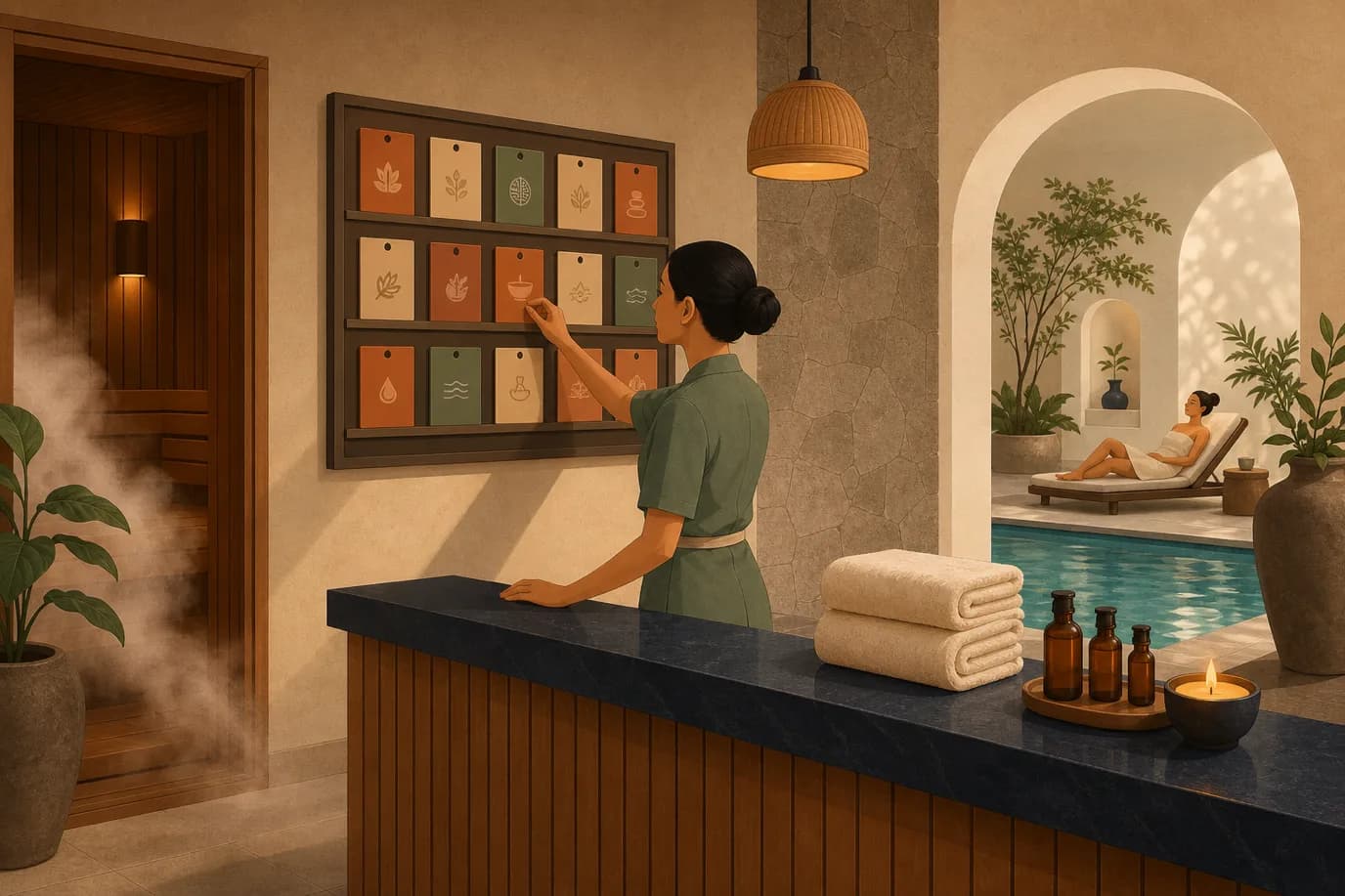
Wellness is the rare hospitality trend that shows up in the payment data, not just the conference keynotes. Global wellness tourism spending has been growing at double-digit rates for years and now measures in the hundreds of billions, guests routinely rank spa and sauna access among the amenities they will actually pay more for, and sleep tourism went from a punchline to a booking category. And yet walk into the average hotel spa on a Tuesday at eleven and you will find a beautiful, silent, expensive room: two therapists on the clock, zero treatments booked, candles burning for nobody. The wellness boom is real. The average hotel spa still loses money. Both things are true, and the distance between them is what this article is about.
The short version: hotels that make money on wellness run it as a business, with utilisation targets, demand-based staffing and ruthless menu design, while hotels that lose money on wellness run it as an amenity that is somehow also supposed to earn. The operating plumbing matters more than the marble. A spa that cannot post a massage to the guest's room bill through the point of sale leaks revenue at checkout every single day, and a spa whose schedule lives in a paper diary disconnected from the property management system cannot see its own demand, let alone sell against it. We will get to the trends, sleep, recovery, longevity, because they are genuinely reshaping what guests book. But trends do not rescue a broken operating model, so the operating model comes first.
The Wellness Boom Is Real, and Most Hotel Spas Still Lose Money
The paradox deserves a moment, because it explains most of what follows. Wellness demand is growing, but it is peaked demand: guests want treatments in the late afternoon, before dinner, at weekends, on rainy days. A hotel spa carries the costs of a full-time operation, treatment rooms heated and humidified all day, therapists rostered in shifts, laundry running constantly, against revenue that arrives in a four-hour window. Meanwhile the treatment itself is labor-intensive in a way rooms are not: a fifty-minute massage consumes fifty minutes of a trained professional plus setup and reset, and no clever pricing changes that arithmetic.
So the spa P&L fails quietly and predictably. Revenue per treatment looks respectable; nobody computes revenue per available therapist hour. The spa manager reports treatments delivered; nobody asks what utilisation was on Tuesday. Costs hide in the hotel's general laundry, energy and maintenance lines, flattering the spa's apparent contribution. And because the spa photographs beautifully and guests mention it in reviews, the property files the losses under marketing and moves on. Sometimes that is even the right call, but it should be a decision, not an accident, which brings us to the first real question.
Decide What Your Spa Is: Amenity, Anchor or Profit Centre
There are three honest answers to what a hotel wellness operation is for, and each implies a different way to run it. An amenity exists to justify the room rate and win the booking: the sauna, the small gym, the pool. It is not expected to earn directly, so the discipline is cost control and guest impact per euro, and the trap is amenity spaces staffed like profit centres. An anchor exists to define the property, the wellness hotel, the retreat, where the spa is the reason guests come and the rooms are where they sleep between sessions; here wellness carries the marketing and can justify losses nowhere else tolerable. A profit centre is a business that happens to live inside a hotel: it must cover its true costs, including the ones hiding in the hotel's utility bills, and earn, which means it needs its own P&L, its own utilisation targets and a manager judged on them.
Most independent properties genuinely want the third and operate the first, staffing and investing like a profit centre while managing like an amenity. Pick deliberately. A 30-room hotel whose spa exists to lift ADR by fifteen euros should run one flexible treatment room with on-call therapists, not a five-room spa suite. A resort betting its identity on wellness should be spending on programming and practitioners, not just tile. Everything below assumes you want wellness to at least pay for itself; scale it to your answer.
Spa Economics: Where the Money Actually Goes
Spa cost structure is brutally simple: labor is half or more of every treatment euro, and the rest is space, energy, laundry, product and the front-desk time nobody counts. The revenue side has three streams, treatments, access (day passes, memberships), and retail, and healthy operations grow the second and third deliberately because they carry better margins than the first. Retail deserves particular respect: the guest who just spent an hour with a therapist is the most qualified product buyer in your building, and a spa selling the oils and creams it uses, with the therapist's genuine recommendation, adds high-margin revenue with zero extra labor hours. Spas that treat retail as an afterthought shelf by the door leave a double-digit share of potential revenue unearned.
Run the arithmetic once and the priorities set themselves. Take a two-room spa open ten hours a day: 140 available treatment hours a week. At 30 percent utilisation and an average treatment of 90 euros, the week brings in roughly 3,800 euros; two rostered therapists, reception cover, laundry, product and the spa's share of energy will consume more than that before anyone counts the space. Push utilisation to 50 percent through valley-filling and the same cost base earns 6,300 euros, and suddenly there is margin. Add a 15 percent retail attach rate and membership income and the picture changes again. The point of the exercise is not the specific numbers, yours will differ, it is that every lever below, menu, pricing, day passes, staffing, billing, exists to move one of three quantities: hours sold, revenue per hour, or cost per hour. If a proposed initiative does not move one of them, it is decoration.
Utilisation: The Only Spa Number That Matters Daily
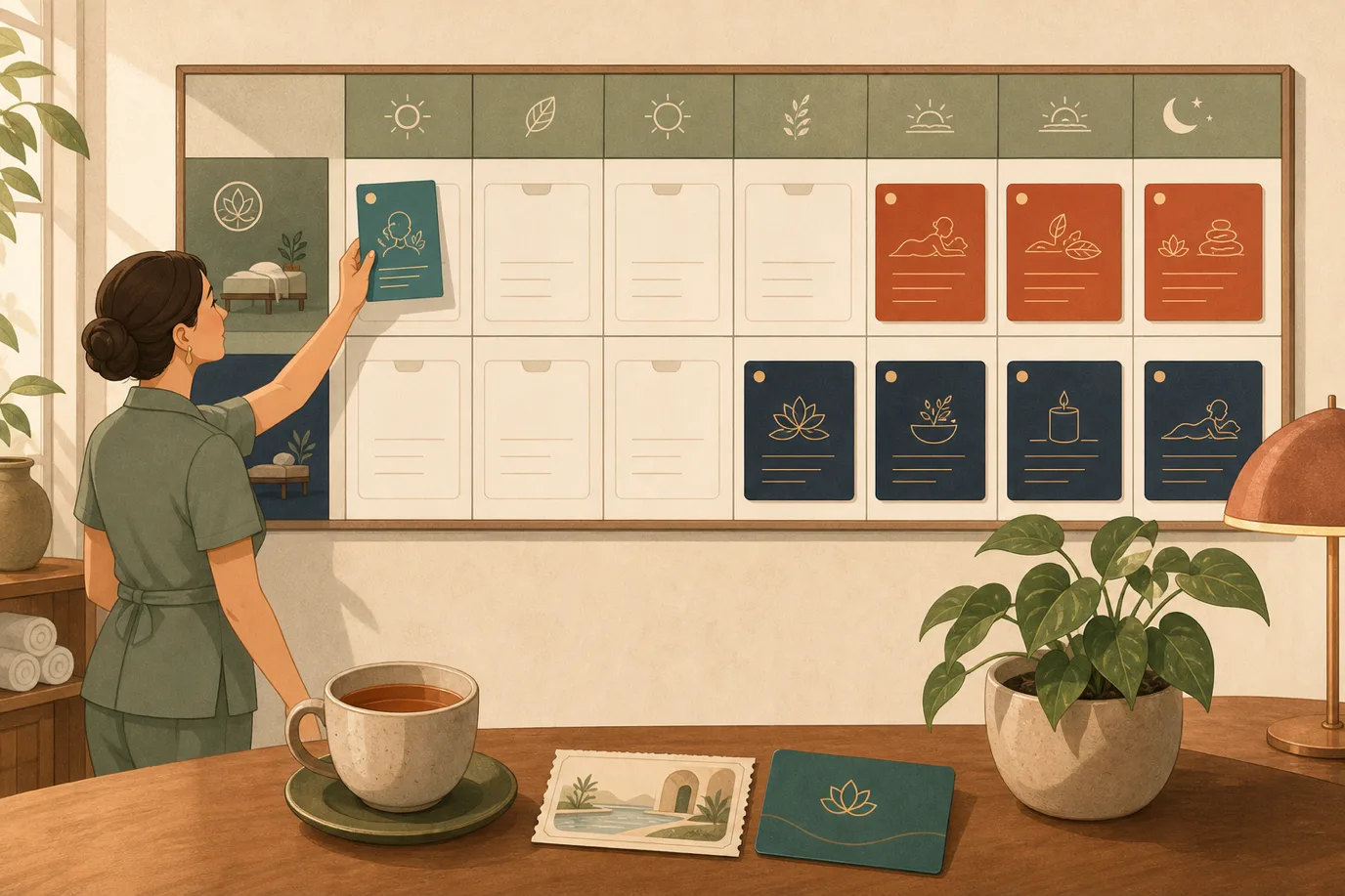
If you track one number, track utilisation: treatment hours sold divided by treatment hours available, computed honestly, if the room is open and a therapist is rostered, the hour counts as available whether or not anyone believed it would sell. Well-run hotel spas live between 35 and 55 percent; below 30, the operation is almost certainly underwater once real labor is counted. The number's value is diagnostic: low utilisation with full peaks means you have a valley problem, and the answer is off-peak demand creation, not more marketing to people who already want Saturday at four. Low utilisation everywhere means a menu, pricing or awareness problem. Watching it weekly, by daypart, turns the spa from a vibe into a system, and it is the number that should drive the staffing roster, exactly as occupancy drives housekeeping.
The Treatment Menu: Shorter, Deeper, Priced Like You Mean It
The classic hotel spa menu is a novella: forty treatments across massage, facials, body work, rituals and packages, each with a paragraph of poetry. It reads as luxury and operates as waste. Every additional treatment fragments demand, complicates training, multiplies product inventory and slows the booking decision; menu analysis at most spas finds a large share of treatments selling a handful of times a year while three workhorses carry the operation. Cut hard: a tight menu of eight to twelve treatments the team executes superbly beats forty executed adequately, and the booking conversation gets faster at the same time.
Two menu moves match how demand is actually shifting. First, go short: 25 and 30-minute treatments, express facials, neck-and-shoulder work, sell to guests who will not commit two hours, fit the midweek business traveller between meetings, and dramatically improve slot economics in the shoulder hours. Second, price from value, not from the neighbour's brochure: your costs, your positioning, your demand curve. Peak slots, Saturday afternoon, should cost visibly more than Tuesday morning, and if that feels uncomfortable, remember the guest accepts exactly this logic from your room rates, your flights and their hairdresser. Dynamic-leaning spa pricing is one of the easiest revenue gains available because so few properties attempt it.
Filling the Quiet Hours: Day Passes, Locals and Packages
The structural fix for peaked demand is new demand in the valleys, and it comes from three directions. Locals first: memberships and class passes give the spa predictable monthly revenue and a weekday clientele, and the local who swims every Wednesday morning becomes the city's most reliable word-of-mouth channel for the whole property. Fence it so guests never lose peak access, cap external entries on high-occupancy days, and price membership as a privilege. Day passes second: on soft days, spa access sold to non-staying visitors monetises space that was heated anyway; bundled with lunch it becomes a local mini-break product with real margins. Packages third: wellness bundled into the room booking, arrival-day massage, sauna ritual, late checkout, sells the spa before the guest ever sees the elevator, lifts the effective room rate, and pre-books treatment hours you can staff against instead of guessing. Packages also resist price comparison, a bare room is a commodity, a sleep-recovery weekend is not, which is exactly the dynamic that makes wellness such a powerful direct-booking lever.
Two smaller valley-fillers earn a mention because they cost almost nothing to try. Corporate and group wellness: the company offsite that books your meeting room will happily add a morning yoga session or post-workshop massages if anyone offers, and group treatments book in blocks, exactly the pre-committed volume a quiet Thursday needs. And gift vouchers: spa vouchers are one of hospitality's quietly great products, sold at full price, redeemed disproportionately on off-peak days, sometimes never redeemed at all, and they recruit first-time local visitors who arrive pre-paid. A voucher push before the gifting seasons, sold online rather than only at the desk, reliably outperforms its effort.
What Guests Are Actually Booking: Sleep, Recovery and Small Rituals
The wellness demand of 2026 has moved from pampering toward outcomes, and three shifts matter operationally. Sleep is the headline: surveys keep finding travellers choosing hotels explicitly for sleep quality, and the sleep-tourism category, quiet floors, blackout done properly, pillow menus, wind-down treatments, sleep-friendly lighting and late-morning quiet hours, delivers more perceived value per euro invested than almost any renovation. A property does not need a sleep lab; it needs to take the promise seriously and market the specifics. Recovery is the second shift: sauna and cold exposure, compression, stretching and sports-adjacent treatments pull a younger, higher-spending and noticeably more male clientele that traditional spa menus never reached, and contrast bathing in particular turns modest square footage into a signature. Third, ritual over indulgence: guests increasingly buy short, repeatable practices, morning yoga, breathwork, a 25-minute reset, rather than the annual half-day splurge, which suits hotel economics perfectly because frequency fills valleys. Longevity programming, diagnostics, movement, nutrition arcs, is real but flowing mainly to destination properties; for most hotels the play is borrowing its language of results while executing the simple things flawlessly.
One warning as you chase the trends: wellness guests have developed sharp detectors for the performative version. A pillow menu nobody restocks, a meditation channel on a TV that blasts adverts first, a wellness package that is a normal room plus a smoothie, these read as cynicism and get named in reviews. The properties winning this segment are specific and modest: they promise sleep and deliver silence, blackout and a great mattress; they promise recovery and the sauna is genuinely hot and genuinely clean at ten p.m. Depth on a few promises beats breadth on twenty, in reviews and in repeat bookings alike.
Staffing a Spa Without Burning Out Your Therapists
Therapists are the spa's production capacity and its scarcest resource: training takes years, hiring is hard everywhere, and burnout is endemic because massage is physical work with a real daily ceiling, five to six hands-on hours is a sustainable professional load, not laziness. Roster against the booking curve, not the opening hours: on-call and split arrangements for predictable peaks, freelancers for overflow, and never two therapists sitting through a bookingless morning because the schedule said so. Respect the ceiling in your slot design, and mix short treatments into each therapist's day rather than stacking six deep-tissue hours back to back. Cross-train the reception side, front desk staff who can sell treatments, manage the schedule and run retail, so the spa desk is not a second idle payroll line. And pay commission on retail and upgrades: therapists who share in what they generate recommend honestly and stay longer, and their retention is worth more than the margin points the commission costs.
The freelance question divides spa managers, so here is the working rule: freelancers for flexibility, employees for identity. A property whose wellness offer is two massages a day has no business carrying payroll for it; a property whose brand rests on a signature treatment style needs therapists trained in it, retained, and given reasons to stay, education budgets, sane schedules, a voice in the menu. Most operations land on a hybrid, a small employed core that owns quality and trains the extended bench of vetted freelancers who absorb the peaks. What does not work is treating the two pools identically: the freelancer needs frictionless booking and fast payment, the employee needs a career, and confusing the two loses both.

The Operational Plumbing: Booking, Billing and the Room Charge
Now the unglamorous part that decides the margin. A spa runs on three flows, bookings in, schedule managed, money captured, and each flow leaks when it runs on paper. Online booking is no longer optional: the guest planning their stay at ten p.m. wants to book the massage with the room, and every spa reachable only by phone during desk hours is invisible exactly when buying decisions happen. The schedule must be a live system that reception, therapists and management read identically, with treatment rooms and therapist hours as inventory, because double-booked rooms and phantom availability are the spa versions of overbooking.
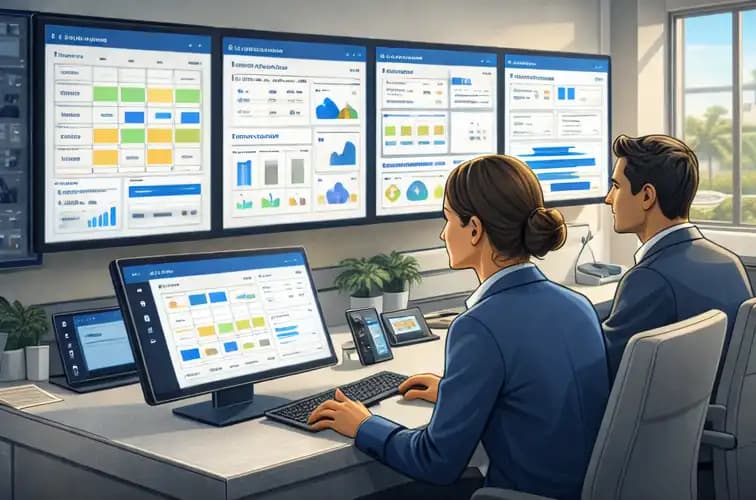
Billing is where the money is actually won or lost. The charge-to-room flow, guest gives a room number, charge posts to the folio, everything itemised at checkout, both raises spend (nobody carries a wallet in a robe) and closes the leak of paper dockets that never reach the desk. That requires the spa's point of sale to talk to the PMS natively: posted in real time, department-coded so the spa's revenue is visible as spa revenue, reconciled automatically at night audit. The same integration is what makes the spa's numbers manageable at all, utilisation, revenue per available hour, retail attach rate, package uptake all fall out of a system that captures every transaction, and none of them fall out of a diary and a cash drawer. If your spa cannot answer what last Tuesday earned without an hour of spreadsheet archaeology, the plumbing is the first investment, before any new treatment or trend.
Selling Wellness Before Arrival, Not at the Elevator
The spa brochure in the room folder reaches the guest at the moment of lowest intent. The high-converting moments come earlier: the booking flow, where a massage add-on or wellness package rides along with the room; the pre-arrival email a few days out, when anticipation peaks and a treatment suggestion with a one-tap booking link converts at rates the front desk never sees; and check-in, where a desk that knows tonight's spa availability can offer a specific slot instead of a vague gesture toward the lift. Post the offer where the demand already is. And close the loop after: the guest who loved their treatment should leave with the product in their bag and an invitation to return, because the spa is one of the few hotel departments that can plausibly earn a visit without a room night attached.
Wellness Without a Spa: The Small Property Playbook
None of this requires a spa suite, and small properties often earn better wellness margins than resorts precisely because they skip the fixed costs. The lean stack: one flexible, genuinely beautiful treatment room served by vetted freelance therapists booked against actual demand, so labor cost only exists when revenue does. A sauna, the highest wellness impact per square metre and per euro of any facility investment, ideally with an outdoor or contrast element that photographs distinctively. In-room wellness that costs almost nothing: sleep kits, proper blackout, yoga mats on request, premium bath amenities with an actual point of view. And partnerships for everything else, the yoga instructor who runs three mornings a week for a revenue share, the nearby studio or thermal bath your guests access with commission flowing back. Package it, arrival massage, sauna hour, late checkout, sell it through the booking engine, bill it to the room, and you have a wellness business with a fraction of a spa's overhead. It also generates the demand data that tells you whether a real build is justified, which beats guessing with construction money.
Where Prostay Fits
The operating model this article argues for, one schedule, one bill, one set of numbers, is an integration problem, and it is the one Prostay is built to solve. The point of sale posts spa treatments, day passes and retail straight to the guest folio with department codes intact, so charge-to-room works the way guests expect and the night audit reconciles itself. The PMS carries the packages, the arrival-day massage bundled into the reservation, the wellness weekend sold through the booking engine, and its guest profiles remember who books which treatments, which is the raw material for the pre-arrival offers that actually convert. And because spa revenue flows through the same reporting as rooms and F&B, utilisation and revenue per treatment hour become numbers you check on Tuesday, not archaeology you attempt at month-end. The wellness boom rewards properties that can operate it; the software's job is to make operating it the easy path.
The marble is optional. The discipline is not. Wellness demand is real, growing and increasingly specific about what it wants, sleep that works, recovery that shows, rituals that fit inside a Tuesday, and it will pay properly for all of it. What it will not do is rescue a spa staffed for hope and billed on paper. Decide what your wellness operation is for, count the hours honestly, sell the valleys, wire the plumbing, and the most photographed room in your hotel can finally earn like it looks.