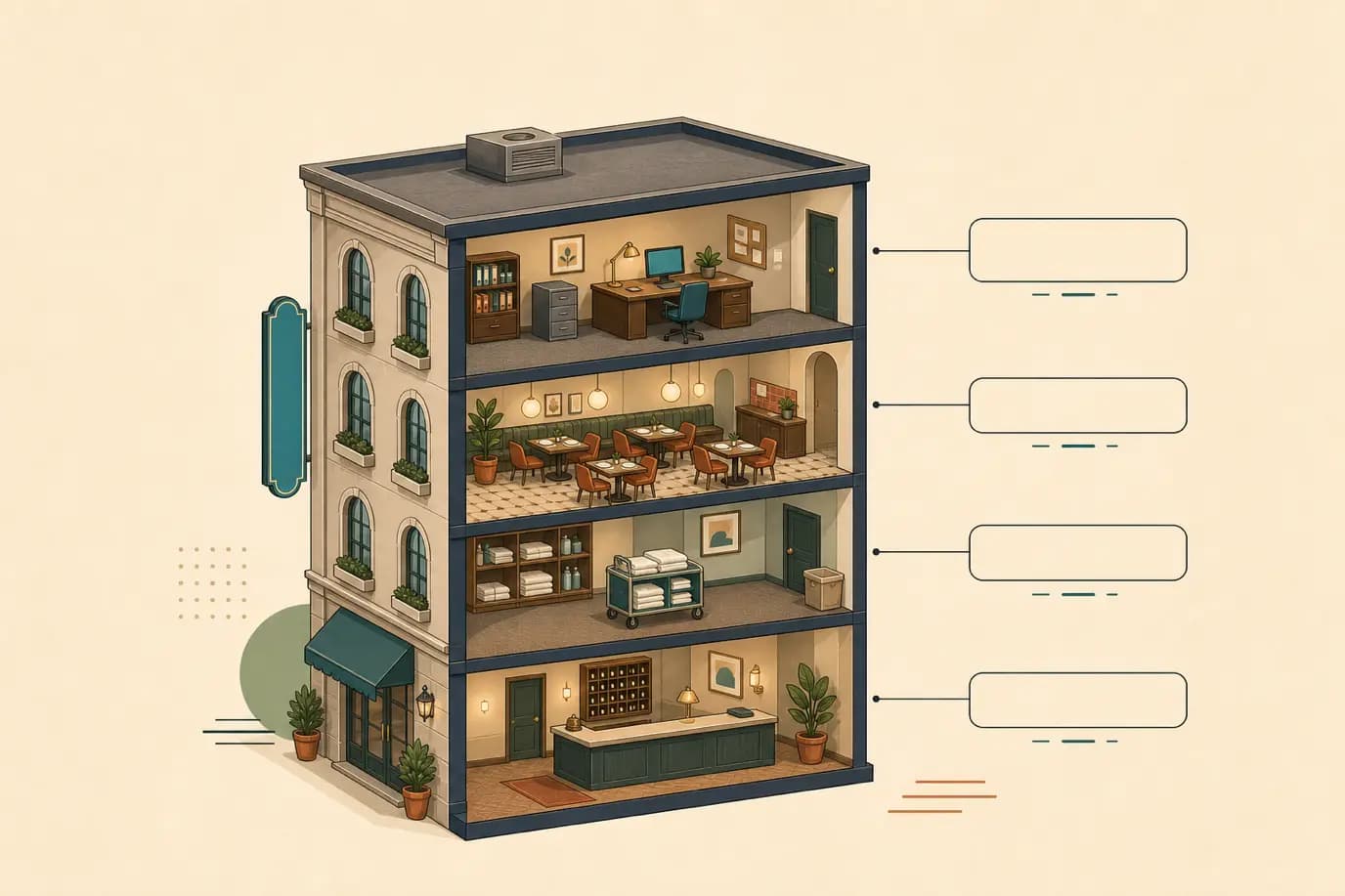

Picking the ideal place to stay may turn a normal trip into one you'll never forget. There are many different types of lodging, from chain hotels with the same look and feel to unusual places like treehouses and ice hotels. Each type of lodging is made for a certain type of traveler, budget, and taste.
This book talks about all the different types of places to stay for tourists, from typical hotels and motels to vacation rentals, hostels, resorts, and specialized accommodation. Knowing about the different types of lodging available will help you make better travel decisions, whether you're a budget-conscious traveler looking for basic accommodations, a business professional needing conference spaces and trustworthy amenities, or a pleasure seeker looking for luxury and customized treatment. People who work in the hospitality industry will also find this classification system useful for figuring out where their facilities fit into the competitive landscape.
There are several types of accommodation, such as hotels (full service, limited service, and boutique hotels), motels, hostels, resorts, vacation rentals, extended stay properties, bed and breakfasts, and specialized places like eco hotels, capsule hotels, and glamping sites. Your best pick will depend on why you're going, how much money you have, what facilities you want, and how you want to travel.
By the end of this guide, you will:
- Understand the primary hotel classification systems used worldwide
- Recognize key differences between accommodation types and their target travelers
- Know how to match lodging options to specific travel needs and budgets
- Identify emerging lodging trends shaping the hospitality industry
- Make confident accommodation decisions for any trip scenario

Understanding Lodging Classification Systems
Lodging is any business that gives people a place to sleep away from home for a short time, usually for a price. This term includes everything from a one-star hotel with modest services to ultra-luxury resorts with great service and exquisite food.
Travelers may rapidly find hotels types that meet their needs and budget by knowing how different types of lodging are grouped. Hospitality professionals use these systems to find the right market and guests.
Serviced vs. Non-Serviced Accommodations
Serviced lodging is anywhere staff handles the housekeeping, the meals, and the front-desk requests for you. That includes hotels, resorts, full-service apartment buildings, and serviced apartments. Daily room cleaning, room service, concierge support, and 24-hour front-desk coverage are the four standard inclusions. Anything beyond that is property-specific.
The split matters because it changes who books each category. Serviced lodging costs more per night but takes the work off the guest. Families with young kids, business travelers running back-to-back meetings, and anyone who'd rather not cook on vacation book serviced. They pay the premium because the time it returns is worth more.
Classification by Service Level and Price Point
Lodging classification typically follows a tiered structure based on amenities, service quality, and price point:
Budget/Economy: Basic amenities including clean rooms, essential furnishings, and limited food services. Expect rates 50-70% below luxury segments in the same market.
Mid range hotels: 250 to 400 square foot rooms with private bath, decent bed, breakfast bar, sometimes a pool or a 24-hour fitness room. This is the chain-scale band that runs Holiday Inn, Hampton, Courtyard, and the rest of the IHG and Marriott select-service brands.
Upscale: Enhanced service levels, premium furnishings, multiple dining options, and additional amenities such as spa facilities and recreational facilities.
Luxury hotels: personalized service, premium materials, full F&B program with a notable restaurant, and most often a landmark address or a heritage building. Ritz-Carlton, Four Seasons, Aman, Mandarin Oriental sit at the top of the band.
The price band sets the expectation. A guest paying $89 expects a clean room, a working shower, and a polite check-in. A guest paying $890 expects all of that plus the bellhop knowing their last name, the room recognizing their preferences from the last stay, and a manager available within 90 seconds when something goes wrong. Match the band to the trip.
Next, we'll look at these hotel classification systems in more detail to see how they help us understand different sorts of housing.
Traditional Lodging Types
Based on the classification framework, classic types of lodging are the most common and well-known types of places to stay. These kinds of places are the backbone of the hotel business and serve most travelers around the world.
Hotels and Hotel Variants
Full-service hotels have all the services you need on-site, like restaurants, bars, meeting spaces, room service, a concierge, a fitness facility, and sometimes even a pool. They hire more people and focus on corporate events, conventions, and visitors who want to be close to everything without leaving the property. These hotels are great for business travelers who need dependable and speedy services.
Hotels with limited service have fewer food and drink options, less meeting space, and fewer staff members. They do this to keep costs down while still providing modern rooms and basic amenities. This is how a lot of modern chain hotels in the suburbs work or airport hotels for example. They are popular with budget-conscious guests who only need a clean, pleasant place to sleep.
Boutique hotels are small, stylish places with less than 100 rooms that offer customized service and a unique atmosphere. These places focus on unique interior design, including local culture, and carefully planned visitor experiences. Independent boutique hotels compete by offering something that big chains can't, like a unique experience and a real connection to the area.
Budget-Friendly Options
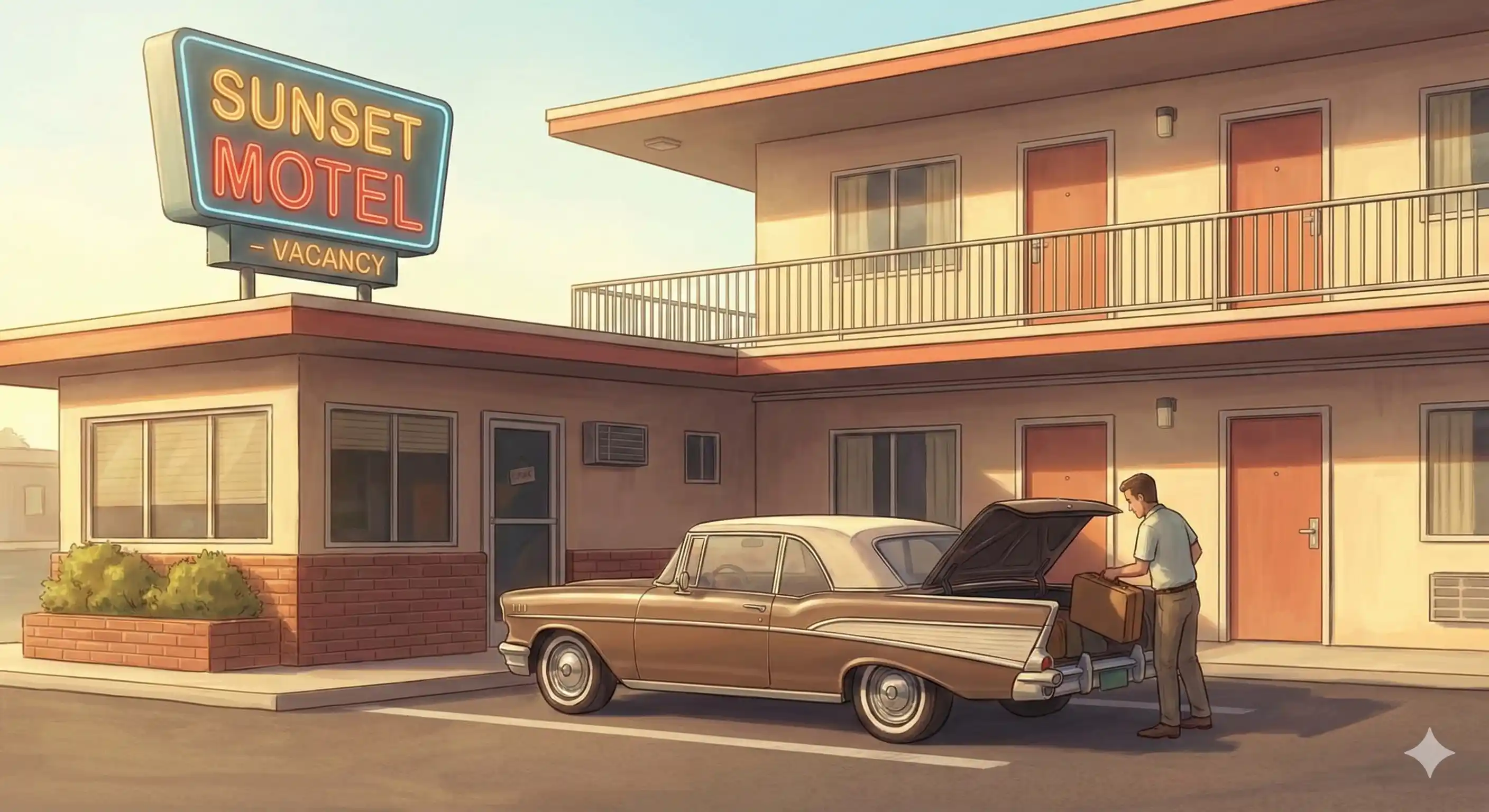
Motels were first built to accommodate people driving on highways. They had outside hallways, parking right outside the rooms, and easy check-in procedures. Motels offer basic rooms at lower prices, but modern tourists should know that many newer budget chain hotels offer more modern rooms and higher perceived safety at similar prices.
Hostels are the cheapest places to stay overnight since they have shared dormitory rooms with bunk beds and common areas like kitchens and social spaces. Hostels are popular with solitary travelers and backpackers since they focus on getting to know other visitors rather than having private rooms. Many now offer individual rooms at a little higher prices while yet keeping the sociable environment. A youth hostel is a great place for budget-conscious tourists who value experience over luxury.
Budget hotels are private rooms at hostel-adjacent prices. Travelodge and Premier Inn are the canonical examples. The room is clean, the bed is good, the shower works, the door locks. Almost everything else is dropped. The result is rates 40-60% below mid-range chains, which is why business travelers on per-diem use them constantly.
Extended Stay Properties
Extended stay hotels serve guests measuring their stay in weeks or months, not nights. The room has a kitchenette or full kitchen, more closet space, and on-site laundry. Rates per night drop the longer you commit. Corporate project teams, relocations, and digital nomads end up here because the math beats both nightly hotels and short-term apartment rentals once a stay clears two weeks.
Serviced apartments and apartment hotels mix living and sleeping spaces with hotel-style front desk service and professional housekeeping. These hotels have greater space than regular hotel rooms, but they still have people on site and services every day.
Some of the most important things of extended stay alternatives are that they have kitchens for cooking your own meals, access to laundry, a dedicated workstation, and weekly cleaning instead of daily cleaning. For longer stays, these hotels provide comfort suites that are better value than nightly hotel prices.
Extended stay properties show how different types of housing have changed to meet the needs of different types of travelers. This is even more clear in specialist hotels.
Specialized and Unique Lodging Options
In addition to regular forms of hotel, there are specialist types of lodging that are designed for certain types of travel, interests, and levels of experience. These diverse kinds of places to stay may frequently make or break a trip, not just be a place to sleep.
Resort and Leisure Properties
Resort properties are places to stay that are meant for vacationers and are built around fun, relaxation, and activities on the property. City hotels let guests explore the region around them, but resorts try to meet all of its customers' demands on site.
- Beach resorts position along coastlines offering water sports, poolside relaxation, and often all inclusive resorts packages bundling lodging, meals, and activities
- Ski resort properties provide slope-adjacent accommodations with ski-in/ski-out access, equipment rentals, and après-ski dining space and entertainment
- Golf resorts center around golf courses with pro shops, instruction, and course access integrated into the stay
- Spa retreats and wellness hotels focus on physical and mental well-being through integrated spa treatments, fitness programs, yoga, and healthy cuisine
All-inclusive resorts collapse the holiday into a single charge. The room, the meals, the drinks, the kids' club, the snorkeling boat. One bill, paid before the trip starts. Families avoid the running tally on every poolside drink. Couples avoid the dinner-bill negotiation. The pricing model is the product.
Accommodation Comparison by Experience Type
| Criterion | Traditional Hotels | Unique Experiences | Luxury Resorts |
|---|---|---|---|
| Cost Range | $50-$300/night | $75-$500+/night | $200-$2,000+/night |
| Target Traveler | Business travelers, families, tourists | Experience-seekers, social media influencers, adventure travelers | Honeymoons, celebrations, wellness-focused guests |
| Typical Amenities | Room service, fitness center, restaurant | Unique setting, Instagram-worthy design, adventure access | Full service spa, gourmet dining, concierge, recreational facilities |
| Booking Considerations | Location, brand loyalty, amenities | Seasonality, accessibility, weather dependency | Advance reservations, special packages, cancellation policies |
Match the lodging to the trip's primary purpose. Business travelers want a predictable bed, fast Wi-Fi, and a room one block from the meeting. A standard chain hotel does that better than anything else. Experience travelers will trade comfort for novelty, which is how unconventional places like ryokans, treehouses, and underground cave hotels stay booked. Celebration trips, anniversaries, weddings, milestones, justify the spend on a property the guest of honor will remember a decade later.

Alternative and Unique Types of Lodging
Vacation rentals are short-term rentals of apartments, private homes, villas, and cabins through sites like Airbnb and Vrbo. These places have greater space than similar hotel rooms, a kitchen for self-catering, and are frequently a better deal for families and parties. But the quality and service consistency are very different from that of hotels that are run by professionals.
Bed and breakfasts are tiny, privately owned places that are usually in residential or historic homes. They offer private rooms and a tasty breakfast as part of the price. Travelers who want to interact with local communities will like B&Bs because they have cozy settings and hosts who know a lot about the area.
Eco hotels and ecolodges use sustainable building methods, renewable energy, water conservation, and products that come from the area to have less of an impact on the environment. Eco-friendly guests enjoy Six Senses and 1 Hotels because they are generally located in natural settings near national parks or other protected areas. Programs like Green Key assist tell the difference between real attempts to be environmentally friendly and marketing claims.
Glamping venues sit between camping and a hotel room. Safari tents, yurts, treehouses, geodesic domes. Real mattresses, real plumbing, often a wood stove and a private deck. The pitch is the night sky and the bird sounds without the lower-back pain that comes from sleeping on a self-inflating pad.
Capsule hotels opened in Osaka in 1979. The unit is a sleeping pod with a TV, a light, a curtain, and not much else, at a fraction of a regular hotel rate. A ryokan is the older, opposite end of Japanese lodging. Tatami floors, futon bedding, kaiseki dinners, communal baths.
Pop-up hotels are temporary places to stay that show up during festivals, athletic events, or major tourist spots during busy times of the year. They provide places to stay where there aren't any permanent buildings.
These numerous kinds of places to stay show that more and more people want to travel in unique ways that regular hotels can't fully meet.
Common Challenges in Lodging Selection
Tourists know the lodging categories, but they still get stuck booking. The friction is mostly the same handful of problems repeating across trips. Knowing them helps.
Balancing Budget with Desired Amenities
Solution: Make two lists before you search. Must-haves and nice-to-haves. Rank them. A road warrior closing deals from the room values reliable Wi-Fi and a real desk over a pool. A family of four wants a connecting room more than they want plated dinner service. The point is to spend on the dimensions that actually shift your trip and skip the rest. Mid-range hotels usually win on the math. They cover the comfort baseline. Beds, AC, water pressure, breakfast. Without the rate premium luxury properties charge for amenities you won't use. The pricing band lands the same trip for 30-50% less most weeks.
Location vs. Property Type Trade-offs
Solution: Find out how much it really costs to make location selections, taking into account the time and money spent on transit. A property that fits your budget A cab ride to a popular place that takes 45 minutes may cost more than a more expensive choice that is within walking distance of attractions. When you have early flights or layovers, being close to the airport makes the higher prices worth it. You might have to tolerate fewer dining and entertainment alternatives nearby if you stay in a remote place.
Peak Season Availability and Pricing
Solution: Book famous destinations three to six months out for peak weeks, six to nine months out for the New Year's crunch. Shoulder seasons buy back the same destination at 30-40% lower rates. The pool, the bars, and the staff are still in operation. Just fewer crowds. Date flexibility shows up as real price elasticity. A Tuesday-to-Tuesday trip routinely beats Saturday-to-Saturday by hundreds of dollars on the same property. If a national park is the anchor, lock the lodging first. Restaurants and tickets can wait. The bed cannot.
Travelers can make smart choices that fit their requirements and limitations if they know about these problems.

Conclusion and Next Steps
There are places to stay for every sort of traveler, price, and purpose. For example, there are simple motels for overnight stays on road trips and luxury hotels with great service for special events. By knowing about different types of accommodation and how they are classified, guests may find the right type of facility for their needs.
To select your ideal accommodation:
- Define your trip’s primary purpose (business, leisure, adventure, relaxation)
- Establish your budget range and identify non-negotiable amenities
- Research specific lodging types matching your criteria
- Compare properties within your chosen category using guest reviews and detailed amenity lists
- Book directly with properties or through reputable platforms, noting cancellation policies
Related topics worth exploring include destination-specific types of accommodation, loyalty program strategies for frequent travelers, and seasonal timing strategies for popular travel regions.
Additional Resources
Hotel Star Rating Systems: stars cover room quality, service, amenities, and overall guest experience, but the criteria are not the same in every country. The German DEHOGA five-star spec is stricter on room size and breakfast than what passes for five-star in the US. Always read what the rating actually requires before trusting it.
Comparison Tools: Booking.com, Expedia, and Kayak pull rates from multiple OTAs and the chain sites in one view. Airbnb and Vrbo own the vacation-rental side. Hostelworld is the one to use for hostels and shared rooms (the rest of the OTAs do not index hostel inventory well).
Review Verification: trust the verified-stay reviews on the major booking sites over the unverified ones. Skip the five-stars that say nothing. Read the three-stars. They name the actual problems: thin walls, slow check-in, AC that does not cool past 74 degrees, mold smell in the bathroom.
Travel Insurance: trip cancellation and interruption policies cover the non-refundable bookings that a credit card chargeback will not. Read what is excluded before paying. Pre-existing conditions, named storms, and pandemic cancellations are the exclusions that catch most travelers, especially on remote destinations and luxury trips.