Hotel maintenance includes the planned upkeep, repairs, and management of physical assets and building systems in hotels and other hospitality properties. This field directly affects visitor satisfaction scores and profitability by making sure guests are safe, operations run smoothly, and assets last longer.
This reference for hospitality professionals goes over all aspects of hotel maintenance management, such as plans for maintenance, frameworks for implementation, and systems for management. It doesn't include rules that only apply to certain brands; instead, it concentrates on rules that apply to all types of properties. This is useful information for hotel managers, facilities supervisors, maintenance teams, and other professionals in the hospitality sector who want to make their businesses run more smoothly.
To keep things running smoothly and make sure guests have a good time, hotel maintenance includes routine, reactive, and preventive work on HVAC systems, plumbing, electrical systems, guest rooms, and equipment.
By reading this guide, you will:
- Understand the three core maintenance approaches and when to apply each
- Implement effective hotel preventive maintenance programs
- Structure and manage high-performing maintenance teams
- Select and use maintenance management software effectively
- Reduce overall maintenance costs while improving service quality
Understanding Hotel Maintenance Fundamentals
Hotel maintenance is the planned, ongoing care of all the physical things in a hotel, from the guest rooms and lobby areas to the back-of-house services and important building systems. This role has a direct impact on how happy guests are, how well the business runs, and how much money it makes in the long run.
What Constitutes Hotel Maintenance
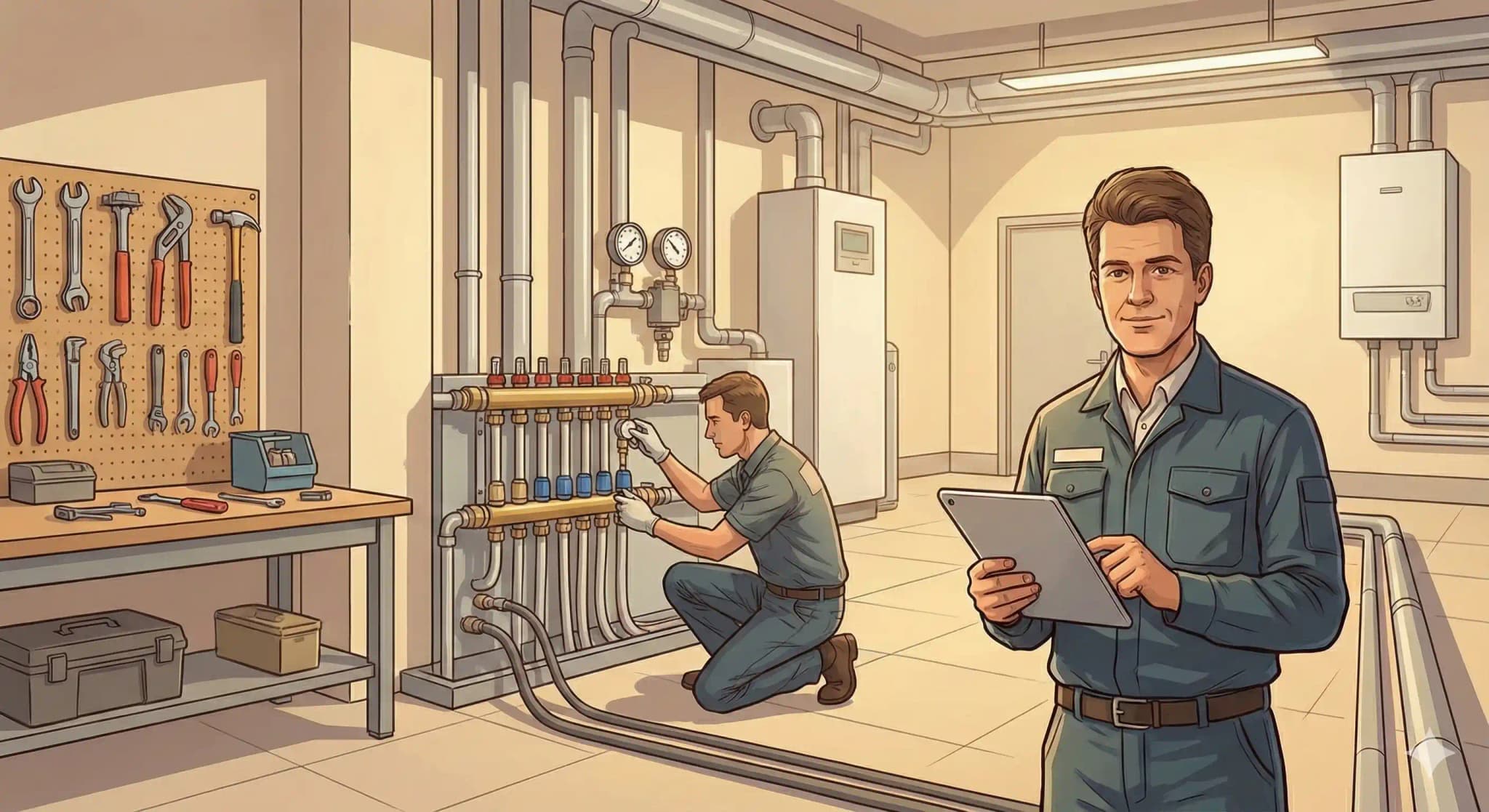
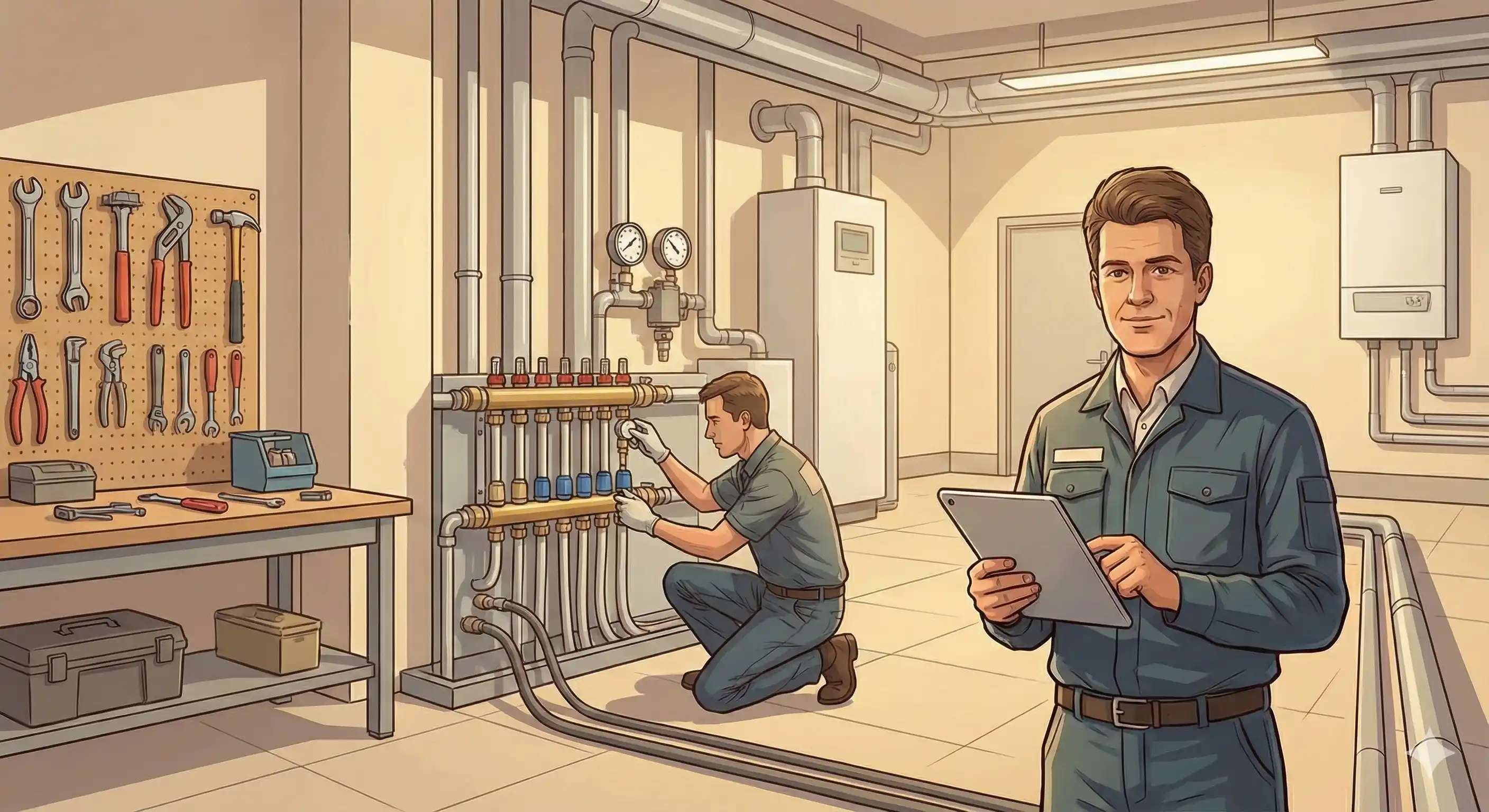
Managing a wide range of building systems and equipment that are particular to hospitality operations is part of hotel maintenance. This includes HVAC systems that keep guests comfortable, plumbing systems that stop water damage and make sure there is enough pressure, electrical systems that power everything from room lights to kitchen appliances, elevators that make it easy for guests to get around, and amenities like swimming pools and gym equipment that guests can use.
The hospitality business is open 24 hours a day, seven days a week, which means that maintenance needs are different. Hotels have to combine maintenance work with guest privacy, room availability, and making the most money, unlike commercial buildings where occupancy is predictable. Maintenance workers need to do their jobs quickly and with as little noise as possible in occupied hotel rooms.
Types of Hotel Maintenance Management
Preventive maintenance is the most important part of running a hotel professionally. This method plans inspections, repairs, and parts replacements ahead of time so that breakdowns don't happen. Hotel preventive maintenance checks are done at intervals set by the manufacturer and for each property, such as daily, weekly, monthly, quarterly, and yearly cycles. Hotels that have strong preventative maintenance plans usually have to do fewer emergency repairs and spend less money on maintenance overall.
Reactive maintenance fixes equipment and machines that break down or stop working without warning. When a guest tells the front desk that the air conditioner isn't working or cleaning finds a leaking pipe, maintenance professionals come to fix the problem. Even though it can't be helped, too much reactive maintenance shows that there are holes in preventive measures and raises maintenance costs through emergency service charges and visitor compensation.
Routine maintenance covers the daily walk-through. Checking lights, testing door locks, eyeballing fixtures, and fixing wear-and-tear before the guest notices. The work bridges the preventive calendar and the reactive ticket queue. Issues caught here are issues that never become a 1am phone call.
The three categories interlock by design. Preventive cuts down the after-the-fact failures. Routine catches the slow-burn problems while they're still cheap. Reactive handles whatever still slips through, fast enough that the guest stays happy. Each tier compensates for the other two.
Hotel Maintenance Areas and Systems
Maintenance work splits by zone. Equipment, guest exposure, and code requirements all vary. Guest rooms run on PMs housekeeping flags. Mechanical rooms run on quarterly inspections. Pools and life-safety systems run on regulator-set schedules. Knowing the split is how a director allocates the budget.
Critical Building Systems
HVAC systems drive both guest comfort scores and the largest energy line on the P&L. Routine work means filter changes monthly to quarterly, coil cleaning twice a year, refrigerant level checks, duct inspections, and thermostat calibration. Without those, complaints come in by category. Temperature, noise, air quality. Hotel HVAC systems in the desert Southwest or in northern winter resorts deserve double the maintenance attention because a system failure during high season means rooms go out of order at the worst possible moment for revenue.
Plumbing systems need constant care because problems can cause guests to be upset right away and damage to property. Checking the water pressure, looking for leaks, cleaning the drains, keeping the water heaters in good shape, and testing the backflow preventers are all regular maintenance duties. Plumbing problems are one of the most typical maintenance requests. If they aren't fixed, they can lead to expensive repairs including fixing water damage and getting rid of mold.
Electric systems need maintenance that focuses on safety and dependability. Some of the tasks are checking the panels and breakers, looking for connections that are too hot, testing the emergency generators, and making sure that the emergency lighting and exit signs work. Power outages can affect whole parts of properties when electrical systems fail, and fire hazards and safety violations can happen when systems aren't kept up.
Guest-Facing Areas
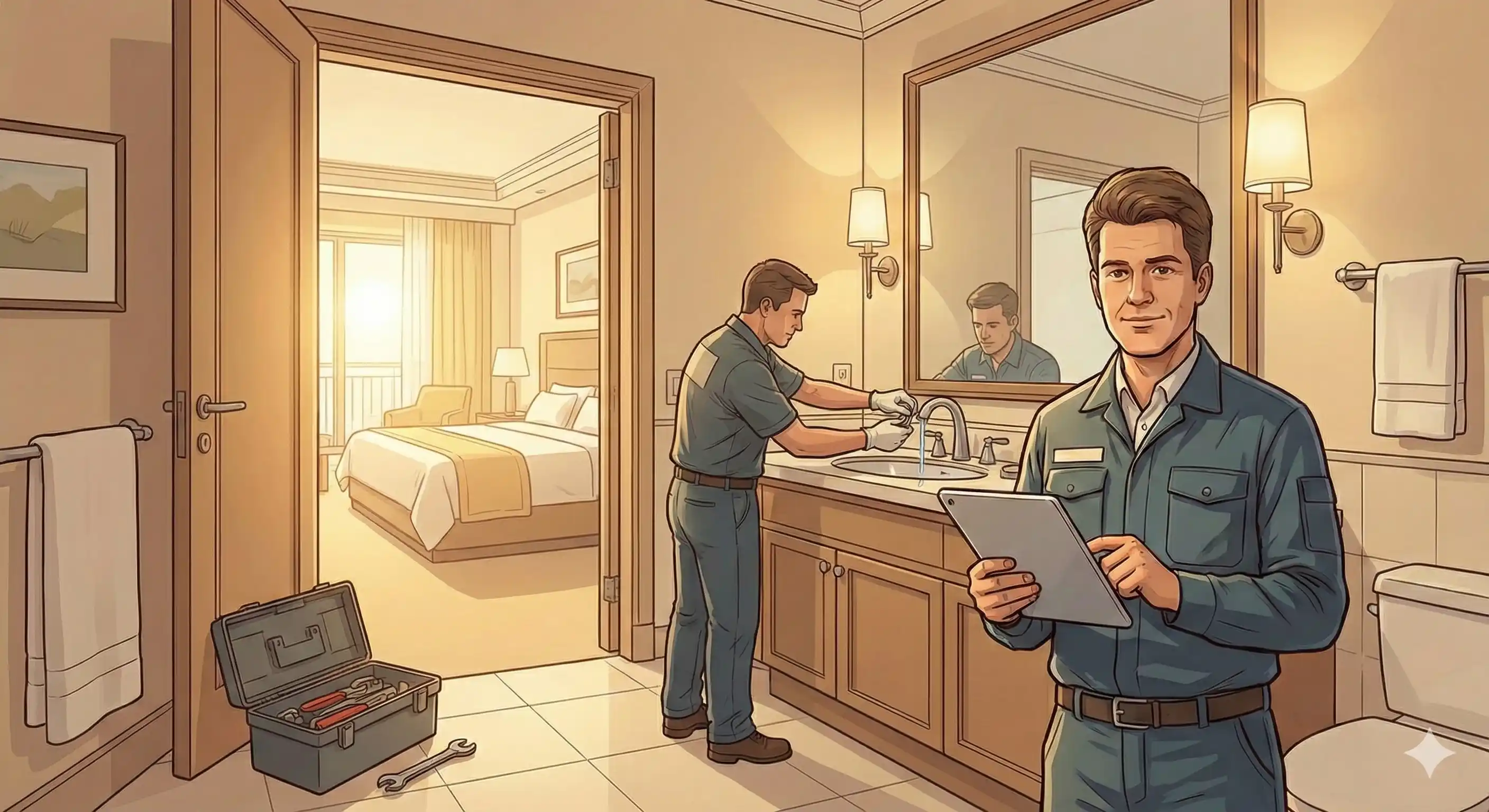
Guest room maintenance has a direct effect on internet reviews and whether or not they book again. Hotel maintenance workers check the stability of furniture and fixtures, the operation of doors and windows, the technology in the room, and the parts of the bathroom. Guest room maintenance checklists include everything from checking for leaks in the plumbing under the sink to testing the remote controls. Deep maintenance cycles include things like replacing mattresses, painting, and upgrading fixtures.
Keeping the hotel lobby and common areas clean keeps up brand standards and first impressions. Taking care of the floors, checking the lights, fixing the furnishings, and keeping the bathroom fixtures in good shape are all part of maintenance. There is a lot of traffic in public places, which speeds up the wear and tear on carpets, door hardware, and chairs. Proactive upkeep stops obvious damage that makes people think the property is of lower quality.
These categories are directly related to how happy guests are. Properties that keep track of maintenance work based on visitor input often see a link between how quickly maintenance responds and how well reviews are rated.
Specialized Hotel Equipment
Checking the water chemistry, cleaning the filter, checking the tiles and deck, and repairing the equipment are all part of pool and spa maintenance. Swimming pools and hot tubs must follow strict health rules. If they aren't kept up properly, they could become dangerous and have to be shut down. Winterizing and reopening standards make things even harder for seasonal homes.
Full-service hotels need to keep their kitchen and food service equipment in good shape on a regular basis. To satisfy health requirements and keep service from being interrupted during meal times, refrigeration, cooking equipment, dishwashers, and ventilation systems all need to be serviced on a regular basis. Equipment that is not working during hectic lunch service has a direct effect on sales.
Elevators and accessibility systems need specific care, which is usually done through service contracts with certified vendors. These important assets have an impact on the safety of guests and compliance with the ADA. Insurers and regulators often need maintenance records.
Implementing Hotel Maintenance Strategies
To turn maintenance knowledge into real-world use, you need established programs, the right technology, and explicit organizational frameworks.
Preventive Maintenance Program Development
To start a preventative maintenance program, you need to know how your assets are doing right now and then work your way up to regular care procedures.
- Make a complete list of all the equipment, systems, and amenities in the building and for the guests. Keep track of the age, condition, maintenance history, and information about the maker. This baseline shows what needs to be done right away and helps with scheduling.
- Make maintenance schedules based on what the manufacturer says to do. - Make a maintenance schedule that includes the manufacturer's recommended intervals for each type of asset. Change the frequencies based on how often the equipment is used. For example, equipment that is used a lot may need more frequent care.
- Make checklists and standard operating procedures, Make specific checklists for maintenance and standard operating procedures for each type of task. These papers make sure that all maintenance workers do things the same way and make it easier to train new maintenance workers.
- Put in place tracking mechanisms and performance indicators. For example, use a computerized maintenance management system to keep track of work orders, completion rates, and maintenance statistics. CMMS platforms help hotel maintenance managers see how well they are doing compared to their goals and find ways to make things better.
- Train hotel maintenance workers on how to avoid problems. Make sure that all hotel maintenance engineers and technicians know the schedules, procedures, and paperwork that they need to follow. Ongoing training keeps skills up to date and shows how important the program is.
Maintenance Management Approaches
| Approach | In-House Team | Outsourced Services |
|---|---|---|
| Cost Control | Fixed labor costs, bulk parts purchasing, predictable budgeting | Variable costs tied to service calls, no equipment investment required |
| Response Time | Immediate availability for emergency repairs, on-site presence | Dependent on vendor schedules, potential delays during peak demand |
| Expertise Level | Limited to staff skills and training, may lack specialized knowledge | Access to specialized technical expertise for complex building systems |
| Quality Control | Direct oversight by maintenance supervisor, accountability | Contract-dependent standards, requires vendor management effort |
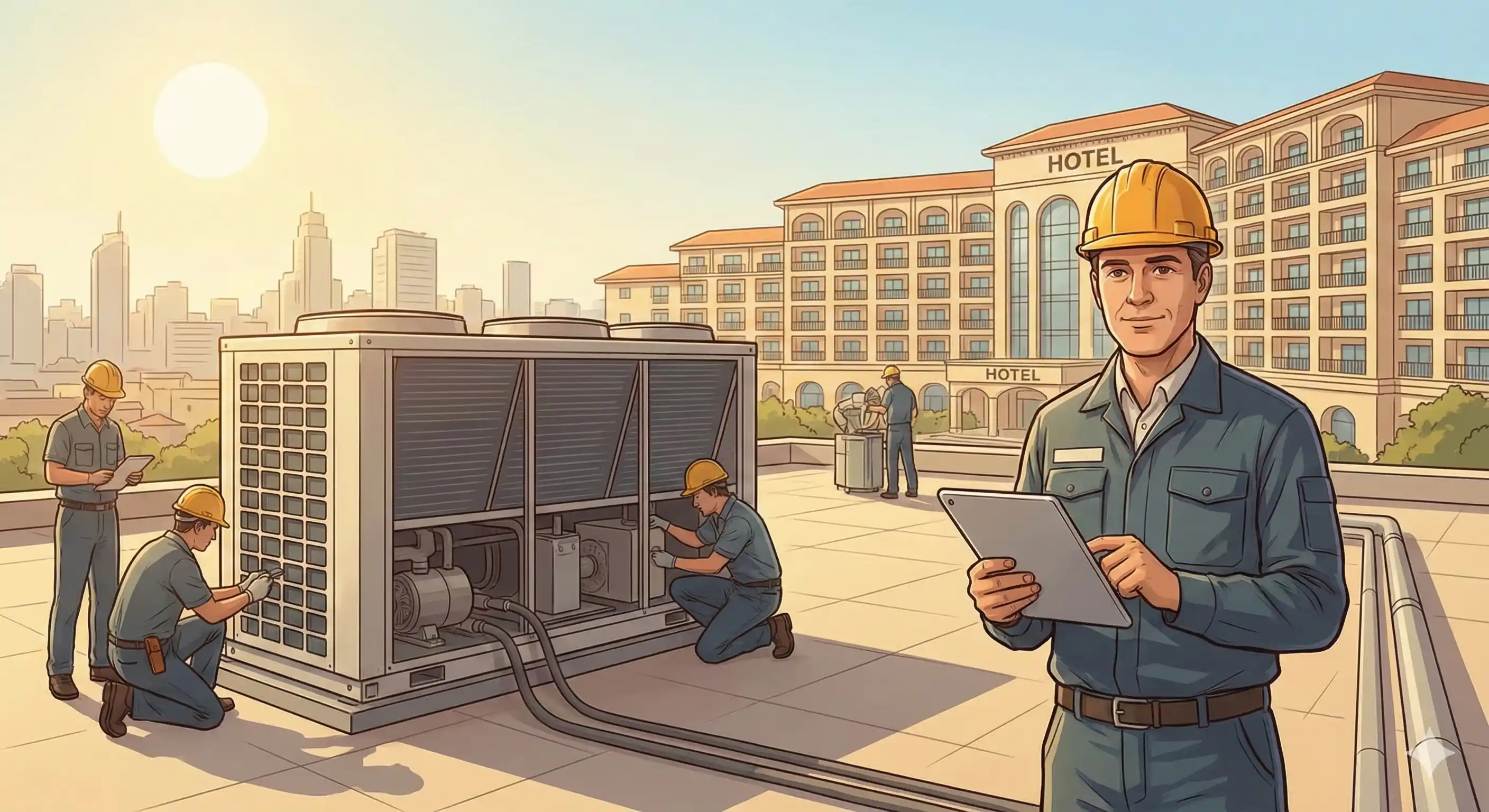
A lot of hotel operations work better when they use a mix of different methods. Regular maintenance, preventive maintenance checks, and immediate reactive needs are all handled by in-house maintenance teams. Specialized vendors take care of elevators, fire alarms, and complicated HVAC parts. The best staffing ratios depend on the size and complexity of the property and the job market in the area.
Facility managers can use hotel maintenance software to keep track of all maintenance tasks by using a single platform to coordinate both internal teams and outside vendors.
Common Hotel Maintenance Challenges and Solutions
Hotel maintenance operations confront the same problems over and over again, so they need proactive strategies instead of just reacting to problems as they come up.
Emergency Repairs During Peak Occupancy
Set up explicit escalation rules for 24/7 on-call protocols. Keep in touch with emergency vendors for specific systems. Keep important replacement parts on hand so that repairs can be made quickly without having to wait for deliveries. Hotel maintenance crews should figure out which systems get the most emergency calls and give those systems the most preventive care.
Maintenance Staff Retention and Training
Create pay packages that are competitive and reflect the going rates for skilled trades. Make it possible for entry-level maintenance techs to move ahead in their careers to become maintenance supervisors and managers. Start cross-training activities that make people more flexible and involved. The lodging educational institute and other such groups offer certification programs that show a commitment to helping employees grow.
Balancing Guest Disruption with Maintenance Needs
Plan maintenance work that isn't urgent at times when there aren't many people there and during off-peak hours. business with the hotel administration and front desk to figure out the best time to do business room by room. When maintenance work can cause temporary problems for guests, let them know ahead of time. Some maintenance tasks need temporary room blocks; make sure you include this in your revenue management plans.
Managing Maintenance Costs and Budget Overruns
For precise cost tracking of labor, components, and vendor services, use computerized maintenance management software. Look at maintenance data to find assets that are using too much resources. These are good candidates for replacement instead of more repairs. Make maintenance processes more efficient by getting rid of unnecessary chores. Investing in preventative maintenance usually lowers long-term maintenance costs by avoiding costly emergency repairs and making equipment last longer.
Key Hotel Engineering Job Positions
There are many specialist jobs in the hotel maintenance engineering department that work together to make sure that all of the hotel's systems and amenities run well. Each job has its own set of tasks that need to be done, and to keep guests happy and the business running smoothly, employees need to have a mix of technical skills, problem-solving skills, and good communication skills.
Maintenance Technicians handle first-touch repairs across the property. Plumbing leaks, HVAC tickets, electrical issues, lighting, and the small interior fixes that keep guest rooms market-ready. Speed matters more than depth at this level. A complaint logged at 9pm should have a tech at the door before the guest finishes brushing teeth.
Maintenance Engineers sit one level deeper in the technical stack. Building automation, energy management systems, elevator service contracts, kitchen equipment certifications. They write the preventive-maintenance calendar, troubleshoot the problems technicians escalate, and own life-safety compliance. The role usually requires a journeyman license or equivalent trade certification plus several years on the floor.
Maintenance Supervisors ensure that maintenance technicians and engineers and engineers perform their duties every day. They give out jobs, keep an eye on progress, and make sure that maintenance work is done on time and to the right standards. Supervisors are also the main point of contact between the hotel administration and the maintenance personnel.
Overall, it is the job of the Maintenance Managers to plan and budget for the maintenance department's long-term goals. They look at maintenance data, make the best use of resources, and set up software tools for managing maintenance. Their leaders make sure that maintenance work helps the hotel meet its operational goals and makes its assets last longer.
In bigger hotels, they may hire Specialized Technicians, like pool technicians, elevator mechanics, or HVAC professionals, to take care of certain maintenance needs. These professionals have a lot of experience in their disciplines, which leads to better maintenance and compliance with industry requirements.
These jobs work together to build a strong team that balances reactive repairs with proactive maintenance operations. This keeps guests safe, reduces equipment downtime, and helps the hotel maintain its reputation for quality and reliability.
Conclusion and Next Steps
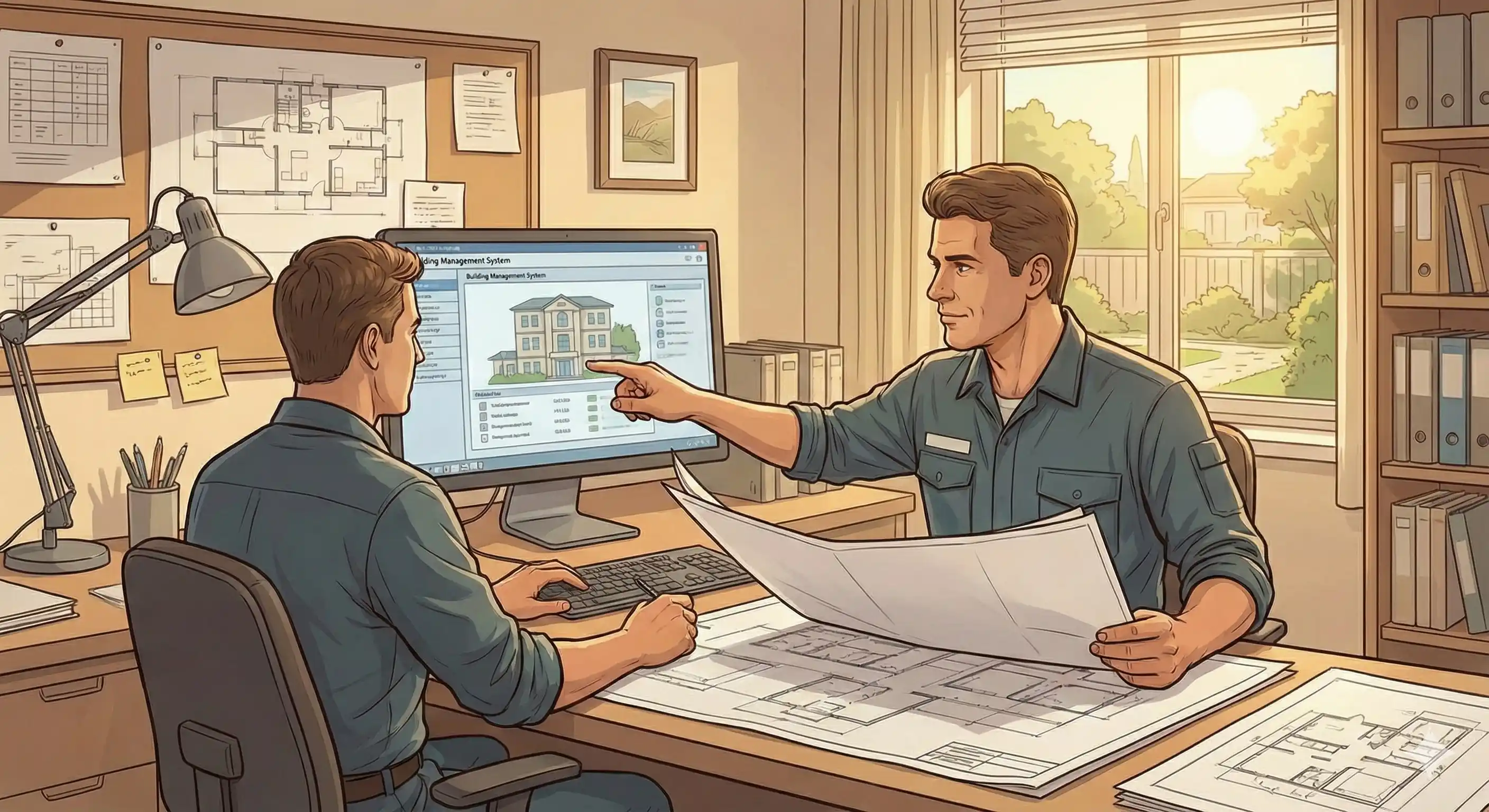
To keep a hotel in good shape, you need to use methodical preventative methods, well-organized teams, and maintenance management software to bring technology into the mix. These parts work together to make guests happier, preserve important assets, keep prices down, and make sure that safety rules are followed.
Immediate actionable steps:
- Do a full assessment of the facility, noting the state of the assets and any maintenance issues.
- Look into and set up a computerized maintenance management system that works for the size of your property.
- Create formal training programs for your hotel maintenance workers that cover both technical skills and how things should be done.
Some related subjects that are worth looking into are energy management systems that help make things more sustainable, ways to measure visitor happiness that connect maintenance to evaluations, and changing compliance regulations that affect the upkeep of hotel facilities and equipment.
Additional Resources
- CMMS software comparison guides for hospitality-specific platforms
- Hotel maintenance checklists templates organized by area and frequency
- Equipment manufacturer maintenance guidelines for common hospitality systems
- Industry certification programs for hotel maintenance engineers and maintenance personnel
- Preventive maintenance schedule templates adaptable to various property types