What is a Bellboy? Hotel Bell Staff Roles
 Mika Takahashi
Last updated Feb 24, 2026
Mika TakahashiA bellboy or hotel bellhop is a hotel worker who helps guests with their baggage, takes them to their rooms, and provides important front-line hospitality services that affect the guest’s experience from the time they arrive until the time they leave. The term bellboy and the name bellhop both refer to the same hotel role, traditionally recognized by their distinctive uniform, which often includes a hat and jacket. This job is also called a bellhop, bellman, or hotel porter, depending on where you are. It is one of the most visible jobs in hotel operations.
This blog article explains the whole definition of a bellboy, their main duties and obligations, how to go up in their profession, and how they are different from other hotel jobs like concierges and doormen. The bellhop traditionally was an adolescent male, hence the term bellboy, and the word bellhop's first known use was in 1897. This page gives useful information on this important employment for people who work in hospitality, are looking for hotel jobs, or are traveling and want to learn more about how hotel service works.
A bellboy is a hotel employee, like a hotel bellhop or hotel porter, who carries hotel guests luggage, shows them to their rooms, helps them with basic concierge services like calling cabs and giving directions, and acts as a main point of contact between guests and hotel operations. Bellboys are employed by hotels to assist guests, and the term 'bell hopper' is sometimes used to describe the same role.
Modern hotels increasingly use the gender-neutral title 'Bell Attendant' to reflect a more professional and inclusive industry standard.
The bellboy or hotel porter is the first person many hotel guests see when they arrive at a hotel. They greet guests at the front door and set the tone for the rest of their stay. The impression made by bellboys during these first moments is crucial, as it helps create a positive impression for hotel guests and contributes to the hotel's overall branding. This job at the front desk requires constant attention, good communication skills, and working closely with the front desk staff.
Both bellhops and hotel porters serve as the faces of the hotel and are part of the property's welcoming committee.
As the hospitality industry continues to expand, there is a growing demand for bellboys and porters to meet the needs of hotels and their guests.
A bellboy is a hospitality worker who works in the front office and is mostly in charge of managing luggage, escorting guests, and doing errands that make the visitor experience better. A bellboy helps patrons by assisting with luggage, escorting guests to their rooms, and responding to their needs. Physical endurance, attention to detail, and a genuine desire to help others are all needed for the job.
The main job of a hotel porter is to make sure that guests may move easily from one place to another, such as from their car to the lobby, from the lobby to their room, and during their stay. Bellhops talk to guests at several points, as when they carry bags, deliver messages, or fulfill special requests. Bellboys interact with a variety of people each day, which requires strong communication and interpersonal skills. Hotels with dedicated bell attendants typically report 15-20% higher guest satisfaction rates, showing that the job has a direct effect on the quality of service.
Bell boys work under a bell captain or lobby supervisor at the bell desk, which is usually close to the lobby entrance. This positioning makes it easy for guests to get help right away and keeps the friendly mood that is so important in hospitality.
The bellhop first appeared in Europe and America in the late 1800s, when big hotels were also being built. The word “bellhop” comes from porters in uniforms who would “hop” between floors when they heard a bell. Traditionally, the bellhop was an adolescent male, hence the term bellboy. This is why the word “bellboy” connects “bell” (the device that calls) and “boy” (the person who answers). Before phones were common, guests would ring bells to get service, and the staff would jump to attention right away.
The words used in different regions are very different. In North America, “bellboy,” “bellhop,” and “bellman” are still common. In the UK and other English-speaking nations, “porter” is more common. The word “bellboy” has changed over time, and many businesses now prefer the phrase “bell attendant” to eliminate any associations with age or gender, since the job has grown beyond the teenage boys who used to do it.
Even though things have changed, such computerized check-ins and mobile room keys, the bell boy function has changed instead of going away. It is still useful at hotels where personalized service sets them apart from the competition.

Based on this basic knowledge, a bellboy's job is much more than just carrying bags. The job requires collaboration between several service areas, which means you need to be physically fit and have good people skills.
Bell boys take guests from the lobby to their rooms and give them informal tours of the amenities, food options, and facility hours along the route. This orientation makes guests feel at ease and cuts down on questions at the front desk during their stay. Bellboys also assist with guests rooms by bringing items and providing services directly related to the rooms.
Bellboys help guests open doors, call cabs, and work with valet parking services at the front door. In smaller hotels, this job can be combined with the duties of a doorman. Bellboys also do some basic concierge work, such as giving directions to area sights, suggesting restaurants, and helping people get tickets to events. Additionally, bellboys are responsible for advising directions, running errands, and assisting patrons with various needs.
During these exchanges, keeping eye contact with everyone who enters the lobby, not just guests, is a crucial security measure that helps bellboys spot suspicious behavior or items that need attention. Bellboys are also involved in moving luggage, carrying luggage, transporting guests to their rooms, and opening doors for them.
After delivering luggage, bellboys report any issues with guest rooms to the front desk.
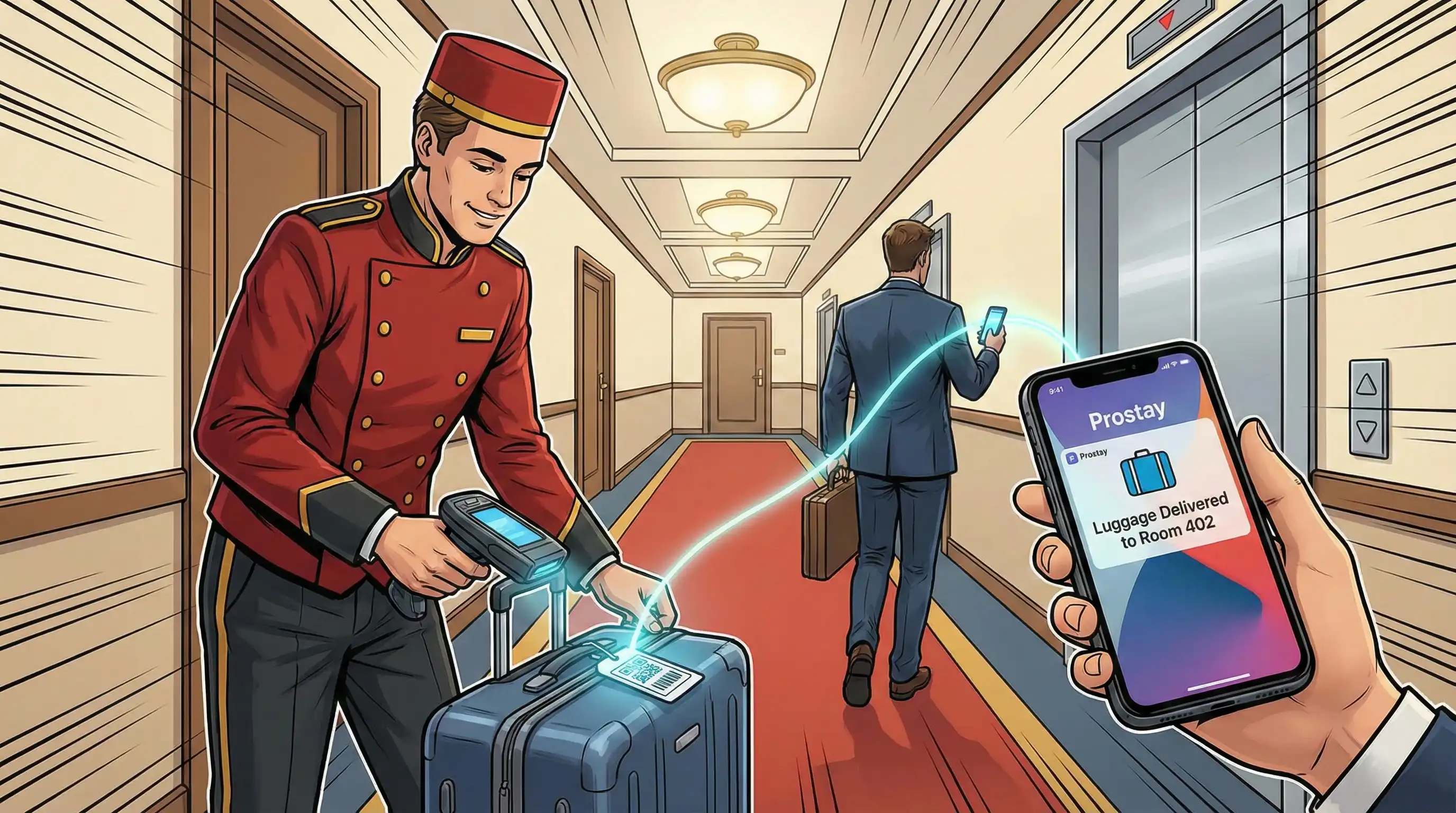
Handling luggage is the most important technical duty. When guests arrive, bellboys carefully remove their bags from cars, check the number of bags with the guest, tag each item with the guest’s name and room number, write down any damage in logbooks, and bring everything to the room within the time limits set by the hotel, which is usually 10 minutes after check-in. Bellboys assist guests with their suitcases and other baggage, ensuring all luggage is handled efficiently and securely.
When guests leave, the staff checks rooms for items that may have been left behind (in drawers, cabinets, or safes), reports any damage, takes luggage to the lobby, double-checks counts after the bill is paid, loads it into vehicles, and offers storage with proper tagging for guests who need to keep their things for longer.
When you move rooms, you need to pay attention to moving your stuff and work with housekeeping and the front desk to make sure everything goes smoothly. A bellboy may have to carry 20 to 30 pieces of luggage throughout a shift, walking 10 to 15 miles and carrying 50 to 100 pounds of weight all day.
Bellhops typically work inside the hotel and focus on storing and retrieving guest luggage, while porters work outside and take care of tasks like booking tickets and delivering papers.
Bellboys do more than just physical work; they also play important roles in communication. Responsibilities include paging visitors in public places, bringing messages, packages, and documents to rooms (and keeping track of when and where they were delivered), and making wake-up calls when asked.
Bellboys receive instructions from the front desk or are summoned by ringing a bell at the reception to assist guests with their needs. Working with the front desk means getting instructions via the phone or radio, telling them what guests think, and letting them know about strange situations. Bellboys regularly tell management about guests who don’t have enough luggage or who are acting strangely, which makes them like informal security guards.
There are clear rules for how to handle problems: security takes suspicious packages, valuables left unattended are sent to management, and guest concerns are dealt with right away with the right department being notified.
Understanding daily responsibilities helps to put bellboy occupations in context. The life of a bellboy is filled with a variety of experiences and interactions, from greeting guests from around the world to assisting with luggage and responding to unique requests, making each day different and engaging. These jobs offer obvious paths for advancement in the hospitality industry for people who show a strong service orientation and dependability.
For example, consider the story of Alex, who started as a bellboy at a boutique hotel. Through dedication and excellent guest service, Alex was promoted to front desk supervisor within three years, and eventually moved into hotel operations management. This illustrates how a bellboy role can be the first step in a rewarding hospitality career.
To be physically fit for the job, you need to be able to stand for long periods of time, handle heavy bags (some bags may weigh more than 50 pounds), and move about easily through stairs and hallways. Most hotels want applicants to be at least 18 years old and able to pass background checks.
Customer service skills are quite important. Successful bellboys are those who can communicate clearly, be patient with passengers who are upset, and really help them. Being able to speak more than one language is helpful in international hotels that have clients from many different countries.
Most training programs teach you how to use hotel systems (such Opera property management software), how to handle luggage, how to talk to guests, and what to do in an emergency. Training focuses on practical skills and long-term retention, not just passing a test. Learning synonyms for hotel roles and duties also helps new hires expand their vocabulary and adapt to different terminology used in the industry. During onboarding, new employees learn about the facility and shadow experienced workers before doing their own work.
Most jobs only require a high school diploma, so this is an easy way to get into the hospitality industry. But taking hospitality management classes speeds up the process of getting ahead.
| Career Level | Typical Responsibilities | Experience Required |
|---|---|---|
| Bellboy/Bell Attendant | Luggage handling, guest escort, basic services | Entry-level |
| Senior Bell Attendant | Training new staff, handling VIP guests, specialized tasks | 1-2 years |
| Bell Captain | Supervising bell desk, scheduling, performance management | 3-5 years |
| Guest Services Manager | Overseeing concierge, bell, and door operations | 5+ years |
| Front Office Manager | Managing all front-of-house operations | 7+ years |
Bell Captain jobs are the next logical step. They involve overseeing the bell desk's operations, scheduling people, and being directly responsible for service standards. After that, you can move up to guest services management or concierge leadership.
There are chances to cross-train in all areas of a hotel, from the front desk to the concierge to the food and drink department. This helps people learn new skills and opens up new career options in the hospitality sector as a whole.
There are always problems at work, and bellboy jobs come with their own set of problems that need practical solutions to keep them going. While bellhops primarily focus on in-hotel services, porters often take care of guests' needs outside the hotel, such as booking tickets and delivering papers, providing attentive assistance beyond the lobby.
When you have to move big things and stand for long periods of time, you need to pay close attention to safety at work. Using proper lifting practices, such as bending at the knees, keeping items close to the body, and using luggage carts wherever you can, lowers the chance of injury. According to industry research, hospitality workers are more likely to get hurt when they lift things over and over again, so ergonomic standards are quite important.
Wearing shoes that support your feet, taking breaks to stretch when you can, and drinking enough water during shifts all help you stay energized. Electric luggage carts, which are becoming more widespread in hotels these days, cut down on physical strain by about 20%.
When guests come upset because of travel delays or service problems, bellboys can use de-escalation tactics to help them. When you communicate professionally, you stay cool, listen to what others have to say without getting defensive, and focus on solutions that can be put into action.
When a bellboy can't handle a situation, they should follow the rules and get management or security involved. Knowing when to escalate and doing so quickly shows that you are a professional, not a failure.
Different countries and types of guests have very different tipping habits for bellhops, which makes their income hard to forecast. The best way to go about it is to always provide good service, no matter how much you think you’ll get paid. In U.S. hotels, guests usually leave $2 to $5 each bag, although tourists from other countries may not tip at all or may have other norms. However, in most countries, it is customary to tip a bellhop for their service, as this is considered a standard gesture of appreciation.
Knowing what others expect from you culturally helps you create realistic goals while keeping up with service standards. Base pay and the chance to move up are more important for long-term job security than tips alone.
The job of bellboy is still an important one in the hospitality industry, particularly at assisting with guest luggage. It is an easy way to get into hotel jobs and there are clear paths to higher-level jobs like supervisor and manager. Bellboys immediately affect how guests feel about their stay and help the hotel succeed by carrying baggage, showing guests around, and doing errands. Bellhops interact with guests throughout their stay, providing assistance and communication that shapes the overall character and culture of the hotel.