Hotel Scams With Credit Cards: Prevent Fraud at the Desk
 Mika Takahashi
Last updated Apr 8, 2026
Mika TakahashiHotels are frequent targets for fraud because they combine three things fraudsters love: high transaction volume, fast check in pressure, and sensitive guest data moving through front desk teams who are trained to be helpful. Helpfulness is a strength until it becomes a vulnerability. A calm voice on the phone, a rushed night audit, or a “VIP guest” story can turn into fraudulent transactions, unauthorized charges, and lost revenue that show up weeks later as chargebacks, disputes, and damage to the hotel's reputation.
This guide is written for hotel owners, general managers, and front office leaders who want practical fraud awareness, not fear mongering. You will learn how common hotel scams with credit cards work, how credit card fraud differs from friendly fraud, why payment processors and payment systems matter, and how to build verification processes that protect guest trust while keeping check in smooth.
If you use a modern property management system like Prostay, you already have a foundation for structured reservations, clearer audit trails, and more consistent handling of credit card payments. The human side still matters most, training, judgment, and disciplined procedures.
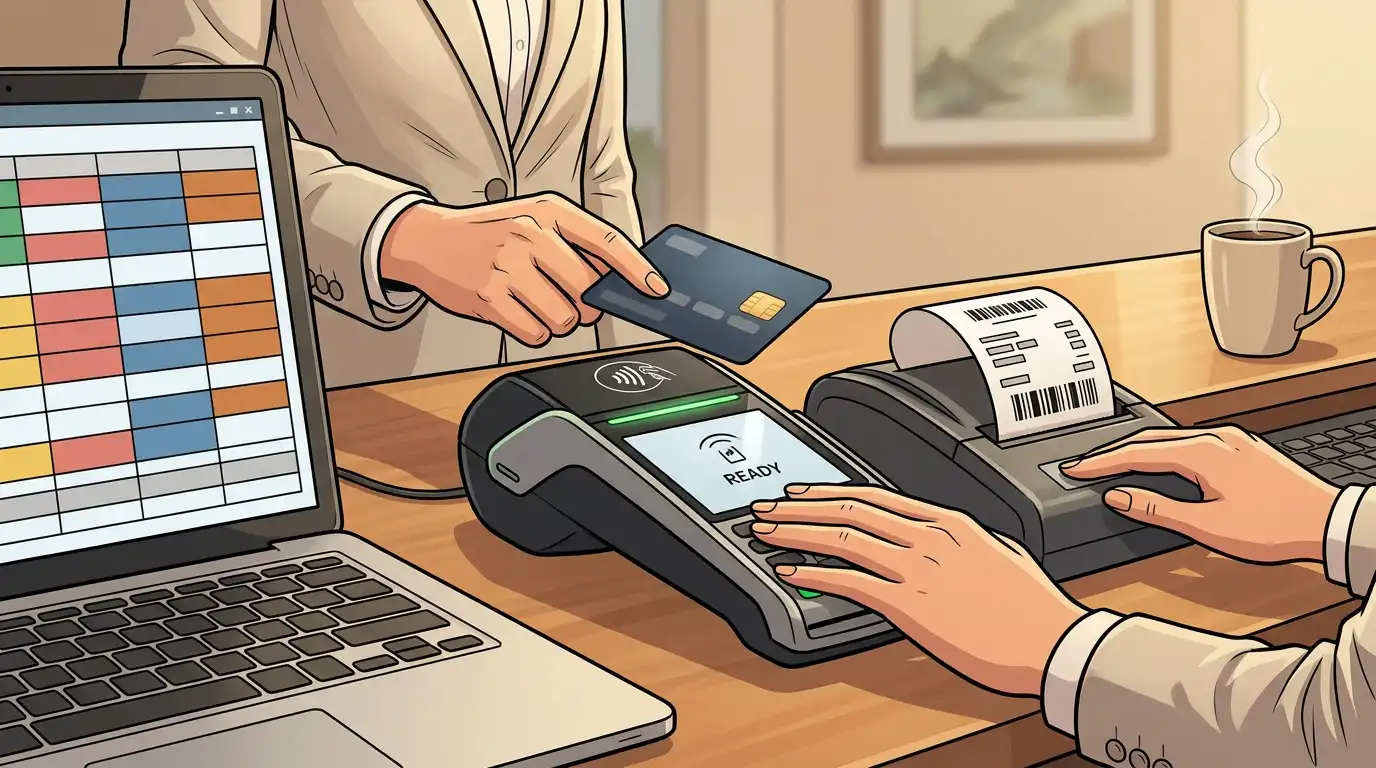
A retail store might see dozens of card taps per day. A busy hotel can run hundreds of hotel credit card payments across front desk, bar, spa, and online reservations, often with extended stays, add on charges, and late night hotel check ins when staffing is thinner. That combination creates potential fraud simply because there are more chances for a mistake, a stolen card, or a scripted scam to slip through.
Hotels also handle credit card information across multiple channels:
Each channel has different weaknesses. Fraudsters know this. They also know that many properties would rather avoid conflict at check in than ask an uncomfortable verification question.
The phrase hotel scams with credit cards sounds narrow, but in practice it covers several different crimes and disputes. Treating them as one problem leads to weak prevention. Splitting them helps your team respond correctly.
Stolen card details often arrive as a new credit card scam variation: someone has credit card numbers, expiry, and sometimes billing address, but not the physical card. This can happen through database leaks, phishing, or dark web purchases. At a hotel, it may show up as:
Friendly fraud is when a legitimate cardholder disputes a charge that is technically valid, sometimes because they forgot the stay, did not recognize the merchant descriptor, or a family member booked without clarity. It is painful because it can look like ordinary customer service noise until credit card companies side with the guest.
Hotel chargeback fraud is a harsher label for disputes that are intentionally abusive, the guest consumed the service and still disputes payment. Hotels see this in nightlife adjacent properties, controversial stays, or situations where guests exploit refund policies and processor timelines.
You will not always know which case you are dealing with. Your defense is detailed records, consistent authorization practices, and proof of service delivery.
Some of the most expensive hotel fraud is not a bad card swipe. It is a phone call to the desk that manipulates staff into changing a reservation, refunding to a different account, or sending funds through irreversible rails.
Classic patterns include:
These scams succeed because they exploit empathy and time pressure. The fix is not “be rude.” The fix is additional verification that is polite, firm, and repeatable.
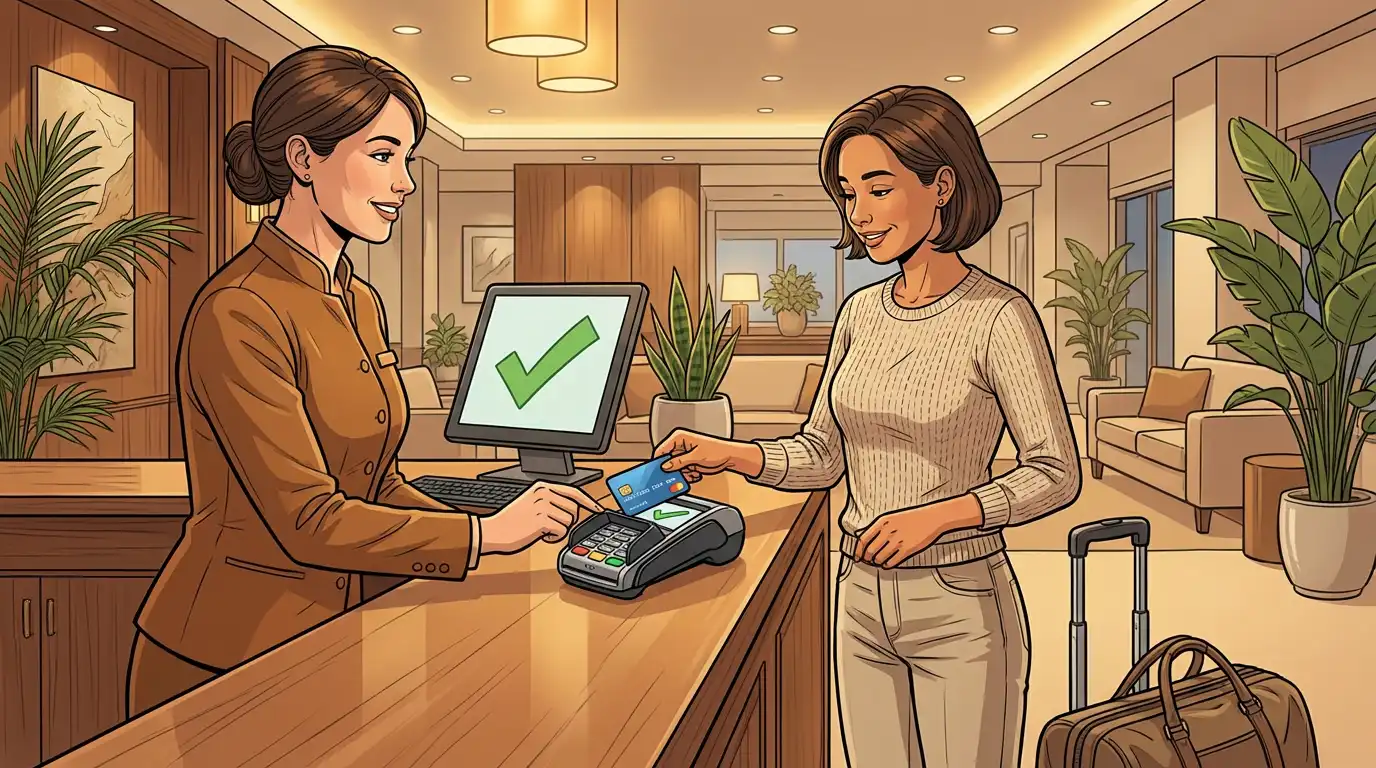
The check in process is your highest leverage control point. It is where identity, payment method, and reservation should align. A weak check in policy creates suspicious transactions later, even if the desk team meant well.
A simple rule that prevents a surprising amount of fraud:
The card used at check in should make sense for the reservation and the guest’s identity.
If someone cannot produce the card, or the name does not match, you need a clear policy:
A red flag is not an accusation. It is a reason to slow down and apply verification processes.
Examples:
None of these are automatic fraud. They are reasons to follow policy.
Many hotel scams do not start at the counter. They start in the inbox or on the phone.
A scammer calls the front desk claiming to be from a booking platform or credit card companies partner support. They may cite partial reservation details found online or leaked from earlier interactions. They ask staff to:
Teach staff a simple response: no account changes and no refunds based on inbound calls alone. Transfer the request to a manager, verify through official dashboards inside your payment systems, and call the OTA or guest back through known official phone numbers, not the number the caller provides.
Another frequent script: “I am stuck in traffic, charge my friend’s card, I will send money later.” Sometimes it involves asking staff to take card numbers over the phone. That is both a fraud risk and often a PCI DSS problem if your policy forbids manual entry outside compliant flows.
Your policy should steer payments into:
Never let staff “reply with the full card number” in email. Email is not a vault. If a guest emails credit card details, respond with a secure payment link workflow and delete sensitive content from inboxes according to your security policy.
Fraudulent activities are not the only source of disputes. Many chargebacks happen because the hotel guests do not recognize the charge descriptor, the charge splits across folio posts, or a family member used a card without telling the cardholder.
Detailed records help you win disputes and reduce friendly fraud misunderstandings:
A property management system like Prostay helps because folios, reservations, and payment posts are easier to keep consistent. Inconsistent posting is a gift to scammers and a headache when credit card companies ask for evidence.
Hotels often blame “the processor” when chargebacks spike. Processors matter, but risk is shared. Your payment systems must be configured correctly:
Payment processors can offer fraud tools, velocity checks, and alerts for suspicious activity. Use them, especially for e commerce style payments and high value deposits.
Tokenization replaces raw card data with a token inside your systems. That reduces the blast radius if a workstation is compromised. It also supports safer repeat stays for legitimate guests.
If your stack includes Prostay integrated with modern payment flows, prioritize configurations that minimize raw card details touching staff hands.
Sensitive data includes identity documents, payment details, and sometimes corporate billing contacts. Sensitive guest data should be accessed on a need to know basis.
Practical controls:
Security measures are not only IT projects. They are daily habits.
Training is a lower cost defense than chargebacks. A 15 minute weekly scenario drill beats a yearly lecture.
Scripts help. For example:
Unease is data. The procedure should be:
Act quickly, but not recklessly. Speed matters for stopping a bad refund, but panic causes mistakes.

Hotels often use authorization holds for incidentals. Guests sometimes mistake holds for double charges, which triggers disputes that look like fraud from the outside.
Reduce confusion with:
This protects guest experience and reduces unauthorized charges misunderstandings.
Fraudsters love refund paths because they convert stolen payment success into cash out. Be cautious with:
A strong policy:
This is also where additional verification prevents “refund to fraudster” outcomes.
Guests should feel safe, not interrogated. The best hotels combine:
Guest trust increases when you explain, “This is how we protect you from card misuse.” Framing security as mutual protection reduces tension.
A modern PMS does not replace vigilance, but it reduces the chaos that helps fraud hide.
Prostay supports hotel operations with structured reservations and folio discipline, which makes it easier to:
When high transaction volume meets thin staffing, software clarity becomes a safety layer.
If you want key takeaways you can implement this month:
Staying informed does not mean chasing every viral rumor about a credit card scam. It means quarterly updates with your processor, local law enforcement advisories where relevant, and sharing short internal notes when a new pattern hits your market.
Fraud changes, but the underlying principle does not: verify before you move money, and protect guest data like it is your own.
Hotel scams with credit cards succeed when properties are polite without boundaries, fast without verification, and helpful without accountability. The fix is not suspicion toward every guest. The fix is calm systems, trained people, and modern hotel payment systems that reduce manual card data handling.
Protect your guests, protect your property, and protect your front desk team with clear rules they can defend with confidence.