Hotel Cloud Software: How to Choose the Right One
 Mika Takahashi
Last updated Jan 25, 2026
Mika TakahashiManaging a hotel includes keeping track of reservations, OTA channels, guest communications, housekeeping, payments, and reporting, frequently all at the same time. The days of having to use bulky desktop applications on a single computer behind the front desk are quickly coming to an end. Hoteliers now need solutions that can go with them, grow with their business, and stay working even when things go wrong.
This tutorial tells you all you need to know about hotel cloud software, such as what it is, how it is different from traditional on-premise systems, what features are most important, and how to compare your options. We'll also talk about why Prostay is the next step in hotel management software. It combines the flexibility of the cloud with the reliability of offline systems, which pure-cloud competitors can't match.
This guide will help you choose the right tech stack, whether you run a small city hotel, a seaside resort, or an increasing number of vacation rentals to eventually create a more efficient hotel management.
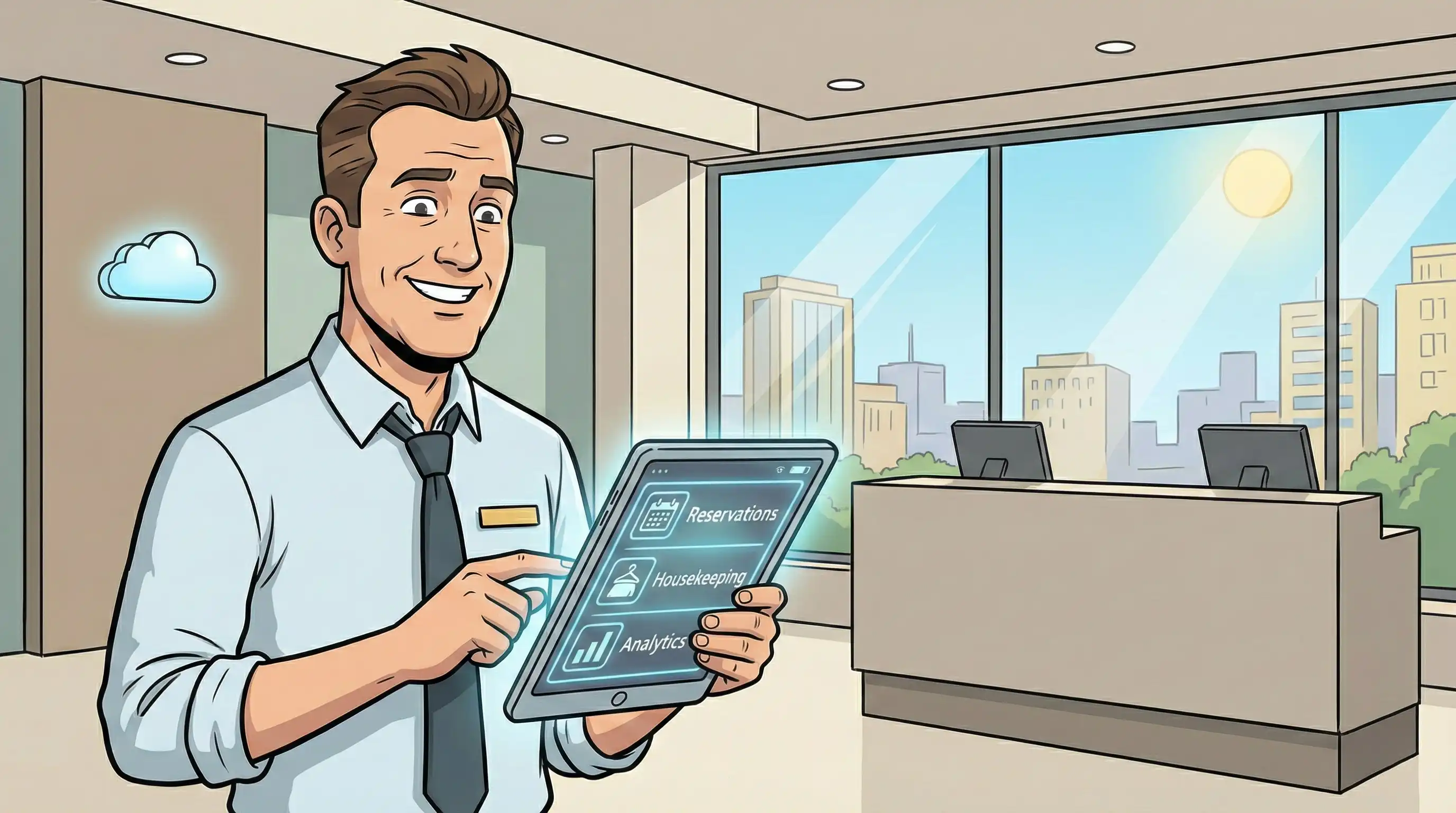
Hotel cloud software is a type of software that runs on remote servers and is accessed through a web browser or an app. It takes care of reservations, front desk operations, housekeeping, payments, and distribution, all without needing servers on your property. Your staff doesn't have to install software on each computer. Instead, they can access anything through a web browser or mobile app, and the data is safely saved and processed in the cloud.
Most modern hotel cloud software combines several components into one environment:
For example, in 2026, a city hotel with 60 rooms can check in guests, sync availability across booking channels, take payments, and send messages to visitors—all from a tablet at the front desk. The general manager can see the occupancy data in real time on their phone while they are out for coffee in the morning. The night auditor ends the day without touching a server in the area.
Prostay is a hotel cloud software. It is made specifically for independent hotels, resorts, hostels, and vacation rentals. It gives hotels all the tools they need in one modular system, without the extra work that enterprise solutions frequently require of smaller locations.
Traditional hotel software that runs on-premise lives on servers or PCs that are set up at your property. You own the hardware, keep it up to date, and back it up yourself. Cloud-based solutions, on the other hand, run completely in the browser. They can be accessed from any device with an internet connection, and the vendor takes care of security, infrastructure, and updates automatically.
Here's how the two methods work in real life:
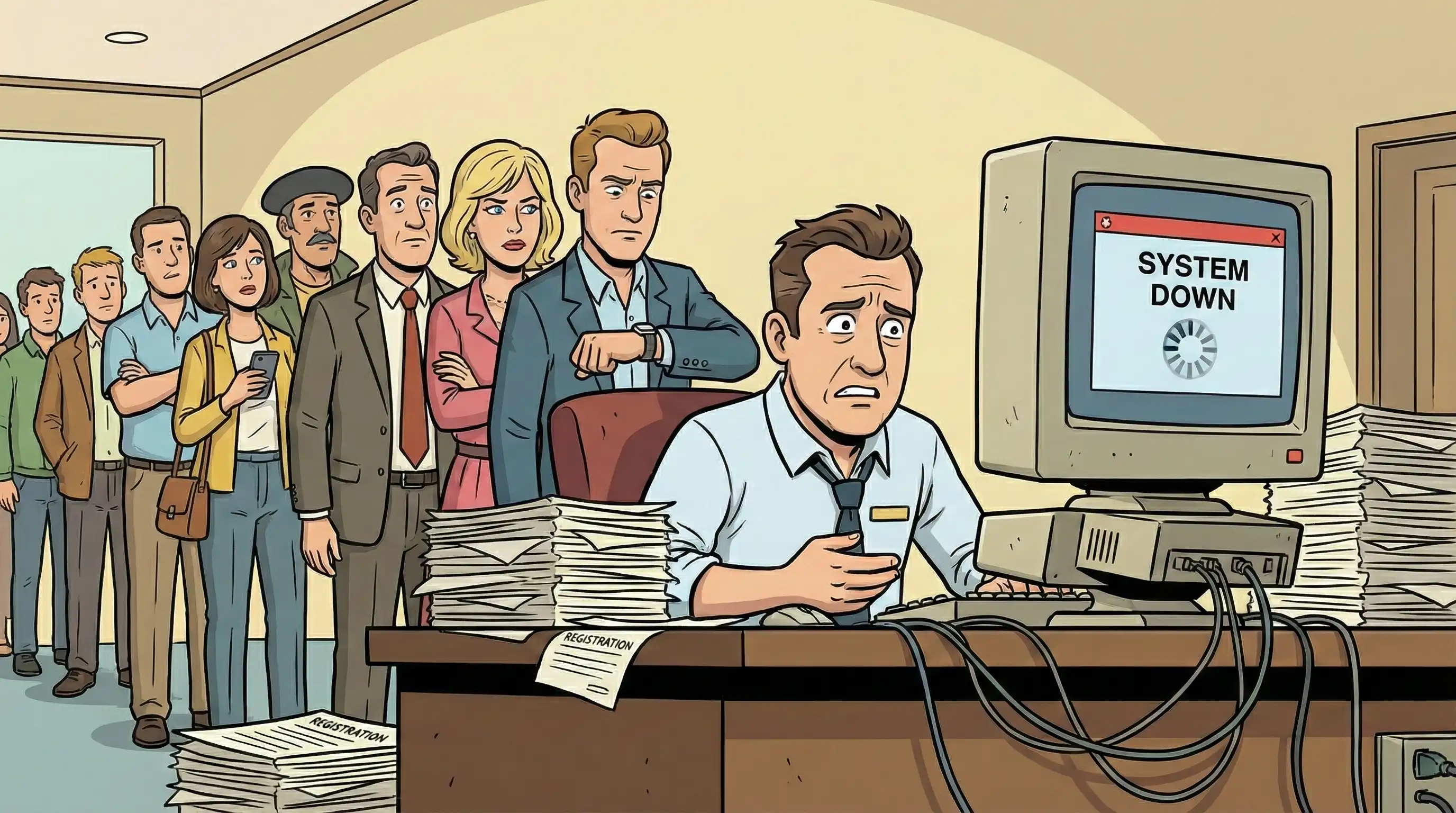
Legacy on-premise systems also have single points of failure. A power surge, a hard drive breakdown, or a ransomware assault can stop hotel operations for days. Cloud companies have extra infrastructure, encrypted backups, and security teams that most independent hotels couldn't afford to hire themselves.
Modern hotel cloud software like Prostay goes even farther by enabling hybrid flexibility. It is cloud-hosted, so you don't need a server room, but it is also designed to keep working even when the internet goes down, so your front desk will keep running.
A "hybrid" solution combines the best of both worlds: hotel software that runs in the cloud with lightweight local components or cached data that let important tasks keep going even when the internet is down. You have the ease of use, automated upgrades, and low IT burden of pure cloud, but you don't have to worry about your network going down and stopping all operations.
This is what Prostay does. The platform works totally in the cloud, so you don't need a traditional local server. However, it can still do things like check-in, keycard encoding, folio posting, and room allocations even when the internet is down.
For example, a seaside resort loses internet access for three hours because of a regional outage. The front desk stops working completely using a pure-cloud system. There are no check-ins, no room assignments, and no folio updates. With Prostay's hybrid method, staff can still assign rooms, take payments in person, and check people in. When the connection comes back, everything automatically syncs to the cloud.
Some benefits of this architecture are:
The cloud connection is needed for accounting, OTA synchronization, reporting, and analytics. These tasks wait in line and process until the connection comes back. But the guest-facing, time-sensitive tasks that make up daily work at the front desk go on without a hitch.
"Prostay is ready for both the cloud and outages. That's an important difference to know when competitors claim "cloud" but cause problems when Wi-Fi goes down."
In 2026, any major hotel cloud platform should offer a lot more than just basic reservation management. To run a hotel completely, you need a system of modules that all function together and share real-time information about room availability and guest profiles at every touchpoint.
Property Management System (PMS) – The foundation for reservations, check-in/out, room allocation, folios, rate management, and housekeeping coordination. Prostay’s hotel PMS is browser-based with a drag-and-drop tape chart, making it easy for front desk staff to handle reservations and visualize occupancy at a glance.
Channel Manager – Real-time, two-way synchronization with major OTAs (Booking.com, Expedia, Airbnb, Agoda) and regional platforms ensures accurate inventory across all booking channels. An integrated channel manager eliminates manual updates and prevents double bookings that damage guest satisfaction and reputation management scores.
Booking Engine – A mobile-first, multi-language booking engine embedded on your hotel website drives direct bookings with real time availability, secure payment gateways, and promotional rates. Reducing OTA dependency helps maximize direct bookings and boost revenue by cutting commission costs.
Guest Messaging – Platforms like Prostay Nexus centralize communication via email, SMS, and WhatsApp to automate confirmations, send upsell offers, and maintain in-stay guest engagement. Proactive messaging helps enhance guest experiences and meet rising guest expectations for digital service.
Point of Sale – A restaurant, bar, or spa POS like Tableview connects directly to room folios, enabling seamless posting of charges for beverage offerings and other services. Guests check out with a consolidated bill; your team avoids manual charge transfers.
Housekeeping & Maintenance – Live room status, cleaning schedules, lost-and-found tracking, and maintenance tickets accessible from mobile devices. Housekeeping staff see updates instantly; the front desk knows the moment a room is ready.
Analytics & Dashboards – Real-time dashboards display occupancy, ADR, RevPAR, pickup pace, and performance comparisons across properties. Multi-property operators and management companies gain centralized visibility without logging into separate systems.
Payments & Billing – Integrated payment gateways with tokenization and PCI-compliant workflows handle prepayments, deposits, no-show fees, and chargebacks securely. Guests easily access payment confirmations; your accounting team spends less time on reconciliation.
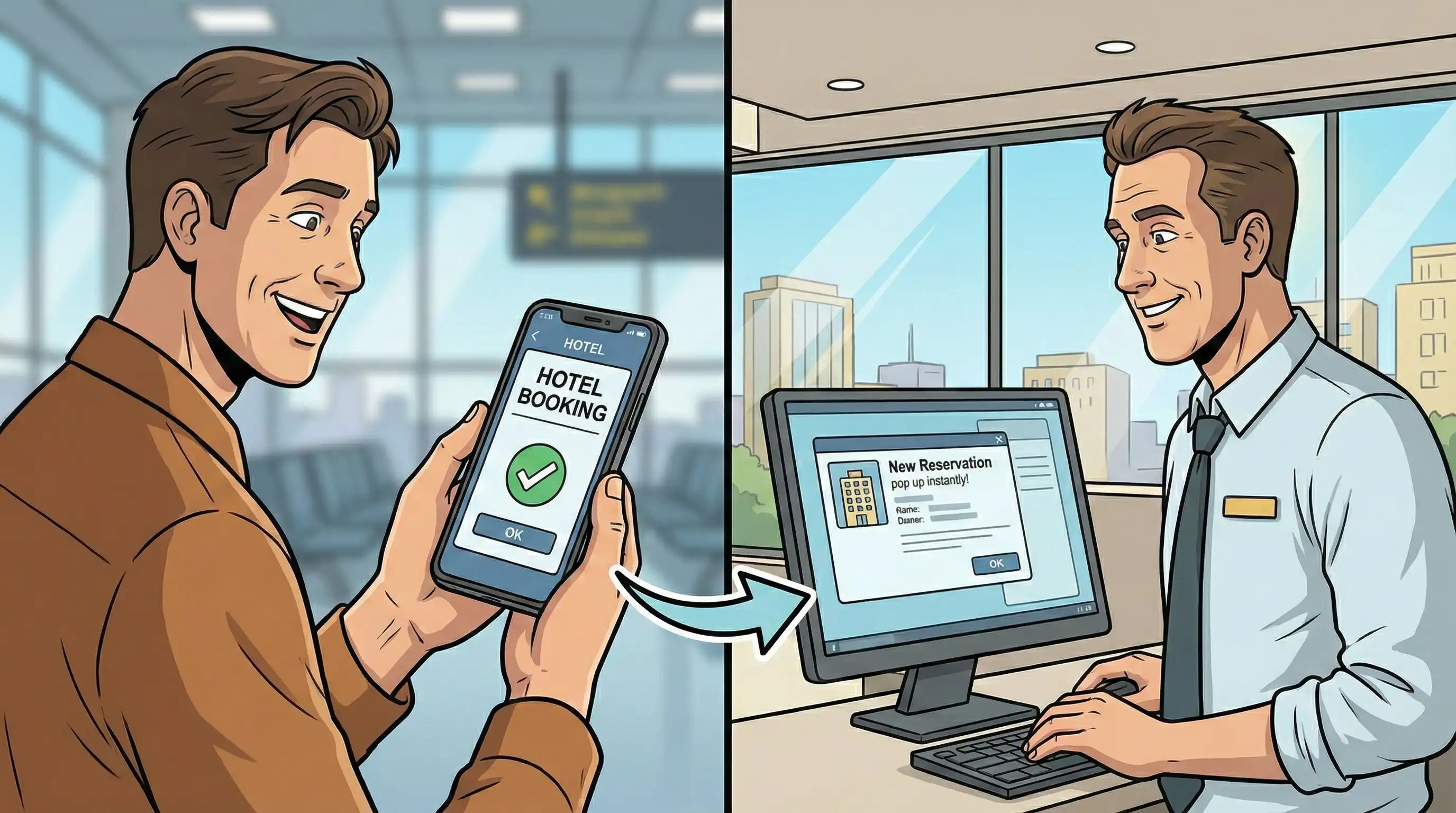
Cloud-native systems can leverage AI effectively because they process large volumes of real-time data from reservations, pricing, guest behavior, and operational patterns. This data fuels intelligent automation that would be impossible with isolated, on-premise databases.
Prostay’s AI tools assist operations across several dimensions:
These aren't just "AI buzzwords." They are real automation flows that make running a hotel easier and help more visitors get better service faster. More and more, good hotel management means letting software take care of boring duties so that people can focus on giving guests great experiences.
Changing hotel systems is a choice that will last for many years. The platform you choose will affect how you run your business, how your guests feel, how you teach your team, and how much money you can make for years to come. Instead of going for the cheapest choice or the most flashy demo, judge vendors based on specific criteria.
Deployment & resilience – Verify whether the system is pure-cloud only or offers hybrid/offline continuity. Ask directly: “What happens if our internet goes down for 2 hours during check-out rush?” Pure-cloud tools often have no good answer.
Functional coverage – Confirm which modules are native versus third party integrations. Does the platform include PMS, channel management, a direct booking engine, guest messaging, POS, and reporting as core components—or do you need to stitch together multiple vendors and pay multiple subscriptions?
Ease of use & training – Look for intuitive interfaces and role-based views. Measure how quickly new front desk staff achieve competence. Solutions designed for independent hotels typically require less training than enterprise systems built for global hospitality brands.
Integrations – Confirm connections with door locks, accounting tools, payment gateways, and local tax or government reporting systems relevant in your region. A global network of trusted partners matters less than deep integrations with the specific tools your business needs.
Data ownership & security – Ensure GDPR and PCI compliance, regular encrypted backups, and clear policies on data export if you ever end the contract. Your guest profile data and financial records must remain yours.
Pricing & scalability – Demand transparent per-room or per-property pricing. Avoid mandatory multi-year lock-ins. Understand costs for adding modules, properties, or users as your business grows. Cloud systems should scale naturally to support serviced apartments, additional vacation rentals, or new hotel groups without expensive infrastructure upgrades.
Support quality – Evaluate 24/7 availability, response SLAs, regional language support, and whether implementation assistance and data migration are included or charged separately. Support quality often determines whether a system succeeds or frustrates.
Treat vendor demos like job interviews. Bring real scenarios—an oversold Saturday, a group bookings request, a payment dispute—and see how each system handles them.
Prostay is a modular hotel management platform that can do everything. It was made just for independent hotels, resorts, hostels, vacation rentals, and developing groups of properties. It makes running a hotel easier without losing the depth that professional operators need.
Hybrid resilience without complexity – Prostay is hosted entirely in the cloud, so you don't need any local servers. However, it was designed to run offline. Your front desk doesn't stop working when the internet goes down. Check-ins, room assignments, and folio updates keep going even while you're not connected to the internet. They sync instantly when you get back online. This hybrid strength sets Prostay apart from pure-cloud competitors, who leave properties stuck when the network goes down.
Real-time distribution – To avoid overbookings, the integrated channel manager interfaces to major OTAs and regional channels and keeps track of all available inventory across all booking channels. Prostay's direct booking engine, on the other hand, lets you make the most money by taking reservations without charging a commission, which means you get to keep more of your hotel revenue.
Native modules, not bolt-ons – The platform comes with Prostay Nexus (for guest messaging) and Tableview (for point of sale). These are not third-party products that need their own contracts, logins, and support channels. This centralized solution makes things easier, cheaper, and less frustrating than managing a tech stack that is spread out.
Multi-property capabilities – Owners and management businesses that run more than one hotel or vacation rental portfolio have unified dashboards that let them see all of their properties at once. You can see all of your performance indicators in one place, manage event planning and group bookings across properties, and keep up with the same standards without having to enter into several systems.
AI-enhanced operations – Smart automation takes care of everyday tasks, gives GMs useful dashboards, and helps with revenue management—all without needing data science skills. Prostay uses AI to work on genuine business chances instead of vague promises.
Rapid onboarding – Prostay's design puts a lot of emphasis on quick setup and short training times. Staff can learn the system in days, not weeks, so properties may be up and running rapidly without long consulting contracts.
Ready for the hospitality industry’s future – Prostay meets the needs of today's guests with features like contactless check-in and digital marketing synergies, while also giving businesses the tools they need to thrive.
Ready to see Prostay in action? Request a demo to explore how Prostay fits your property’s workflows, or get in touch to discuss your specific business needs. Experience why hoteliers are choosing Prostay to streamline operations, maximize direct bookings, and deliver exceptional guest experiences.
Migrating from spreadsheets or legacy management software to cloud software can feel daunting, but a phased approach minimizes disruption while capturing benefits quickly.
Step 1: Audit current workflows and pain points – Document where you lose time, make errors, or frustrate guests. Common issues include manual rate updates across OTAs, handwritten housekeeping lists, or payment reconciliation headaches. These pain points guide feature prioritization.
Step 2: Define must-have features – Separate essential capabilities (PMS, channel manager, booking engine) from nice-to-haves (advanced revenue management system, spa scheduling). Your initial rollout should focus on core modules that address the biggest pain points.
Step 3: Shortlist 2-3 vendors – Narrow your options based on the evaluation criteria above. Avoid analysis paralysis—three solid options provide enough comparison without overwhelming your team.
Step 4: Run detailed demos with real scenarios – Use actual data: your room types, your rate plans, your OTA connections. Test edge cases like early arrivals, room moves, and split billing. See how support responds during the demo process.
Data migration deserves special attention. Your guest profiles, future reservations, corporate accounts, and rate plans need to transfer cleanly. Ensure your chosen vendor provides hands-on migration support rather than handing you an import template and wishing you luck.
Plan for a realistic timeline. Most properties complete implementation in 3-8 weeks depending on size and complexity. Build in a parallel running period where front desk staff operate both old and new systems briefly to build confidence before full cutover.
Start with core modules (PMS, channel manager, booking engine) and stabilize operations before adding guest messaging, POS, and advanced analytics. This staged approach prevents overwhelming your team and ensures each component works reliably before adding complexity.
With Prostay and other solutions, hotel owners can spend less time on IT problems and more time with guests, which is where their emphasis should be. Set up a live demo to learn how Prostay works with your specific situations and find out how quickly your property can become live.
Is cloud hotel software secure enough for payments and guest data?
Yes. Reputable hotel cloud software providers maintain PCI-DSS compliance for payment processing, encrypt data both in transit and at rest, and implement multi-layered security including firewalls, authentication gateways, and regular penetration testing. Hotel management software providers typically invest far more in security infrastructure than individual properties could afford for on-premise systems.
What happens if the internet goes down?
With pure-cloud systems, most operations halt until connectivity returns. Prostay’s hybrid approach enables offline continuity for critical front-desk functions—check-ins, room assignments, folio postings, and keycard encoding continue working. Data syncs automatically when the connection restores, so guests and staff never experience service gaps.
How much does hotel cloud software cost?
Pricing typically follows a per-room or per-property SaaS model with monthly or annual subscriptions. Costs vary based on property size and modules selected, but cloud systems generally deliver 20-50% lower total cost of ownership compared to on-premise alternatives when factoring in eliminated server hardware, IT staff, and maintenance expenses.
Can I use cloud software for a small 10-room property?
Absolutely. Cloud PMS platforms like Prostay scale in both directions—they serve small boutique hotels and hostels as effectively as larger resorts or hotel groups. The modular approach means you pay for what you need without enterprise-level complexity or pricing.
How long does it take to train staff on Prostay?
Most front desk staff become competent within a few days of hands-on use. Prostay’s intuitive interface and role-based views minimize training time compared to legacy systems designed for large chains. Implementation support and onboarding resources accelerate the learning curve further.
Can cloud software handle group bookings and event management?
Yes. Modern hotel cloud platforms include functionality for group bookings, block management, and event coordination. Prostay supports these workflows within its PMS, enabling properties to capture corporate events, weddings, and conference business opportunities without separate software.
What if I want to switch providers later?
Ensure your contract includes clear data export provisions. Your reservation history, guest profiles, and financial records should be exportable in standard formats. Reputable cloud vendors—including Prostay—provide transparent policies on data ownership and portability.