Hospitality Operating System: Unifying Hotel Operations in 2026
 Mika Takahashi
Last updated Mar 6, 2026
Mika TakahashiA hospitality operating system is a complete cloud-based platform that connects property administration, guest communications, revenue management, and distribution channels into one system that works for all modern hotels. It is the next step in the development of hotel property management systems PMS. It goes beyond what traditional PMS can do by offering a fully integrated, cloud-based software solution that makes all parts of hotel operations easier, from managing the front desk and making reservations to housekeeping, maintenance, and managing inventory in real time. A real hospitality operating system gets rid of data silos and makes processes smooth across all departments. This is different from old systems that make hotels use a lot of different technologies that don't operate together.
Prostay is the most complete hospitality operating system on the market. It brings together all the different parts of running a hotel, from the front desk to making the most money, onto one platform. Adding artificial intelligence hospitality and automation to hotel operations makes the visitor experience even better by offering personalized services and quicker response times.
This article goes over all you need to know about hospitality operating systems, from their main parts and technical structure to how to put them into use and measure their return on investment ROI. We're going to talk about things like channel management and point of sale integration, but this content is more about the big picture of how to choose and understand these platforms than about how to use them step by step. Independent hotels, boutique hotels, resorts, vacation rentals, serviced apartments, and hospitality groups who want to use technology to make their operations more efficient and improve the visitor experience are the target audience.
A hospitality operating system is a complete cloud-based platform that brings together all hotel operations, such as PMS, booking engine, channel manager, guest messaging, and revenue optimization, into one solution. This eliminates the need for separate tools and gives every department access to real-time data. Cloud-based hotel management solutions let you access data in real time, which is important for making smart choices that improve the guest experience.
By the time you finish this guide, you will:
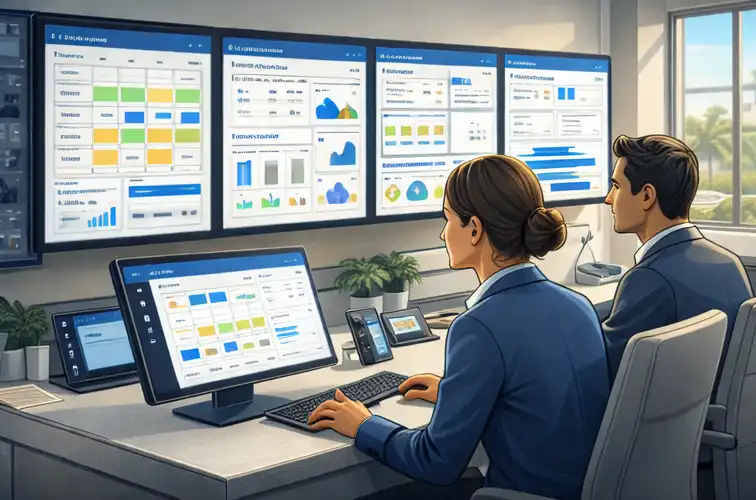
A hospitality operating system is the single piece of technology that unites all parts of hotel management, from making reservations and running the front desk to coordinating housekeeping and interacting with guests. A hospitality operating system is different from traditional point solutions that only handle one function at a time. It is one system where all data flows smoothly, allowing hospitality businesses to consistently serve guests and make smart decisions based on full operational visibility.
These platforms are a big change in how hotels use technology these days. A hospitality operating system makes it easier for desk staff to work by creating a single source of truth that seamlessly syncs information across departments in real time. This means that desk staff don't have to switch between disconnected apps and manually move guest data. Unified data and efficient processes help everyone on the staff, which lowers burnout and makes the hotel run better overall.
For decades, the hospitality industry used technological stacks that weren't connected. At first, hotel management software came in distinct modules, with one for reservations, another for housekeeping, and separate tools for accounting and guest communications. Each one fixed a certain problem but made other ones: having to enter the same data twice, having visitor profiles that weren't always the same, and having to spend a lot of time reconciling between platforms.
These systems that didn't talk to each other have a lot of hidden expenses. The front desk workers spent hours doing administrative work that might have been done by computers. When channel management couldn't talk to room inventory systems, they lost out on chances to make money. Guest expectations weren't satisfied because the front office's outputs never got to the housekeeping inputs in a timely manner. When distribution channels didn't sync up in real time, there were double bookings.
As guests expectations changed, the difficulties got worse. Travelers were asking for individualized experiences, fast communication, and smooth interactions. These were impossible to provide when personnel had to deal with five or six different apps at once.
This fact led to the creation of integrated platforms like Prostay, which were built from the ground up to bring together hotel operations instead of just linking old tools through patchwork interfaces.
In the hospitality industry, operational unification means that all departments use the same set of data, so that changes in one area are immediately reflected in all others. When a guest orders a room using your direct booking engine, the status of the room is automatically updated, cleaning is automatically prepared, the channel manager's availability is automatically changed, and guest profiles are automatically updated, all without any manual work.
Real-time data synchronization changes the way you run your business from putting out fires to providing proactive guest satisfaction. Staff can see right away what rooms are available, what guests want, and where operations are slowing down. Instead of getting incomplete reports after the fact, managers make decisions with full confidence.
This united strategy directly supports the purpose of every hospitality business: to boost guest satisfaction while also making as much money as possible and keeping labor expenses down. Now that we have a basic understanding, the next section will look at the parts that make up a complete hospitality operating system.
A whole hospitality operating system combines many functional modules that used to need separate vendor partnerships. Understanding these parts helps hotel owners figure out if a platform really offers unified operations or only markets connected point solutions. Prostay is a great example of an all-in-one strategy because it includes all the important modules, such event management, in its platform. A an aspect that makes it the most complete solution for hospitality enterprises.
These systems usually come with modules for managing reservations, talking to guests, and processing payments.
The property management system PMS is the place where all of the everyday tasks come together. The PMS handles check-ins, check-outs, and changes to reservations at the front desk. It also keeps track of room status and coordinates housekeeping in real time. A full property management system gets rid of the problems that come with using paper to do things, so desk staff can spend more time interacting with guests and less time on administrative activities.
The PMS's guest profile management keeps track of preferences, special requests, and stay history at all points of contact. When a guest comes back, staff can quickly get the information they need, such the sort of room they like, their pillow preferences, and any food restrictions. This lets them give tailored service that makes customers happy. This unified way of handling guest data makes sure that things are always the same, whether the guest books directly, through an OTA, or arrives at a sister property.
Modern PMS software does more than just manage hotel properties. It also automates cleaning tasks, keeps track of repair requests, and lets different departments talk to each other. Updates on room status show up right away on all interfaces. This makes sure that front desk operations never allocate rooms that are still being cleaned and cleaning crews can prioritize their work based on when guests arrive.
Channel management capability keeps track of room inventory across all distribution partners, such as OTAs, GDS connections, and metasearch platforms. This stops double bookings and the need to manually adjust rates. When something becomes available on any channel, updates happen instantly in seconds. This protects both income and the visitor experience.
A hotel direct booking engine built within the hospitality operating system lets hotels take reservations without paying a commission, which increases their profits while keeping control of their brand. Centralized reservation management makes sure that all bookings, no matter where they come from, go through the same operational workflow, with the same confirmation messages and guest interaction protocols.
The revenue management system uses dynamic pricing algorithms that take into account patterns in demand, rival prices, and past performance. Hotels use smart pricing that changes with market conditions instead of static rate cards to make their operations more efficient. This method uses real-time data and analytics to assist businesses make the most money at busy times and fill their inventory intelligently during slower times.
As travelers' expectations changed, guest communications went from being an optional improvement to a necessary part of the operation. Integrated guest messaging platforms let guests talk to each other through SMS, email, and messaging applications at all stages of their stay, from planning their arrival to asking for comments after their stay. This proactive strategy makes guests happier and cuts down on the number of calls to the front desk.
Digital guest services and mobile check-in get rid of problems that used to need help from desk staff. Branded interfaces let guests handle their own arrivals, room choices, and service requests, which saves time for both passengers and hotel staff. These digital touchpoints also give you chances to upsell by showing people room upgrades, amenity purchases, and experience packages at times when they are most likely to buy them.
Guest engagement goes beyond just doing business with guests; it also means creating relationships. Automated messages sent when guests reach certain milestones, adjust their preferences, or celebrate their booking anniversary keep them connected, which leads to more direct bookings and loyalty. The idea is to treat guests so wonderfully that they never think about other options.
Point of sale integration links the money made by restaurants, spas, and other amenities to guest profiles. This makes it possible to see all of a guest's expenditures in one place. This seamless connectivity makes checkout easier and gives management full information about income by guest group, channel, and property type.
Real-time reporting dashboards turn raw operational data into useful information that can be acted on. Instead of waiting until the end of the day to reconcile, managers keep an eye on performance measures all the time, spotting problems and chances as they come up. This kind of visibility helps with making strategic decisions at both the property and portfolio levels.
AI-powered operational insights are the next step. For example, hospitality operating systems like Prostay act as smart growth engines that find possibilities that people would miss. These systems look at patterns in occupancy, revenue, guest satisfaction, and operational efficiency to suggest improvements, such as changing prices or staffing levels. This helps hotels make more money while also providing better service.
Now that these parts are working together, the next step is to put them into action. The next part talks about useful ways to use hospitality operating systems well.
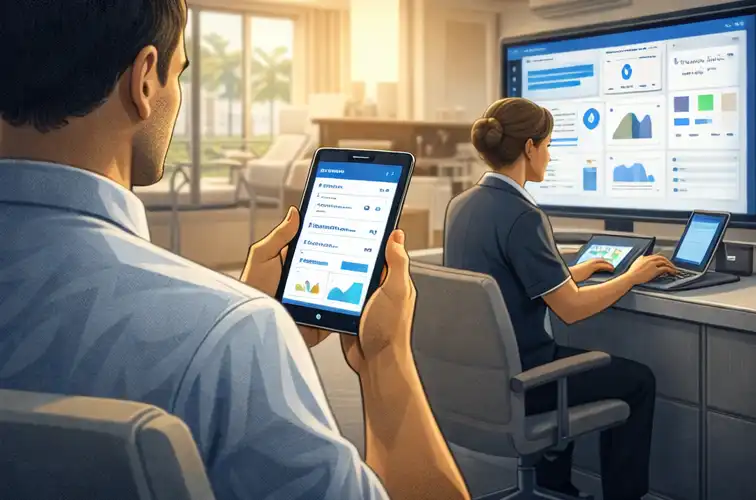
Do you want to know what kind of hotel management software your resort really needs? The truth is that one size doesn't fit all in the fast-changing world of hospitality today. Your property management system is like the major nervous system of your business. It needs to be able to handle any sort of lodging, from a charming boutique hotel to an independent property, holiday rentals, or serviced flats. No matter what size or style property you run, the correct comprehensive property management system PMS will be the backbone of your business. It will help you manage everything from reservations to guest interactions to everyday operations.
If you own a boutique hotel, you realize that giving each guest a unique experience is not just great to have; it's vitally necessary. The best hotel management software may help you by giving your front desk personnel the tools they need to record and act on the unique preferences of each visitor, making every stay seem special and memorable. You can predict guests' wants like a mind reader, make your front desk work more smoothly, and make sure that every interaction with guests is a good one with centralized reservation management and guest profile tracking at your fingertips.
Are you in charge of a hotel? You probably have to deal with the age-old problem of competing with giant chains while yet being yourself. A strong property management system PMS is like a secret weapon. It makes things fair by automating the boring tasks that take up your time, improving your channel management, and giving you real-time data so you can make smart decisions on the spot. With built-in revenue management technologies operating behind the scenes, you can make the most money, modify rates on the fly, and adapt swiftly to changes in the market—all from an easy-to-use interface that is made for operational efficiency.
Are you in charge of vacation rentals or serviced apartments? When it comes to hotel booking software, paying, and talking to guests, you need hotel management software that makes things easier for you. Here's what seamless integration with channel managers can achieve for you: it keeps your room inventory up to date on all platforms automatically, which cuts down on the danger of multiple bookings and saves your desk staff a lot of time. Automated guest messaging and self-service choices improve your guest services while reducing the need for manual work. This lets you focus on what really matters: giving guests great experiences.
Are you in charge of hospitality groups or portfolios with more than one property? You will need solutions that can grow with your business and bring all of your different property kinds together. A full property management system is like your command center. It has consolidated dashboards, real-time statistics, and standard workflows that help your teams stay organized and make smart choices across the board. You may make your whole portfolio more profitable by making daily chores easier and lowering staff costs.
So, when it comes to picking the best hotel management software, what's the most important thing? You should choose a platform that can meet the specific needs of your property and has easy integration, real-time data, and an interface that your team will actually want to use. Whether you run a single boutique hotel or a bunch of vacation rentals, getting a full property management system is not only smart, it's necessary for making your business run more smoothly, improving guest experiences, and making sure you stay in business in this competitive hospitality industry.
When you deploy a hospitality operating system, you need to prepare carefully so that you can keep things running smoothly while also getting the benefits of change. The approach changes depending on the size of the property, the technology already in place, and the readiness of the team, but the same basic rules apply to all types of hotels and resorts.
When current technology makes things harder instead of easier, hotels should think about migrating their systems. This could happen when staff have to work around limitations instead of through streamlined workflows, when guest data is stored in separate silos, or when operational inefficiency wastes resources that could be better used to serve guests.
Pre-migration planning and data audit: Start by making a list of all the data sources, integration points, and operational routines that are already in place. Find out which visitor profiles, reservation histories, and financial records need to be moved and which ones need to be started over. Before you migrate data, make sure it's clean by getting rid of duplicates, making sure the formats are the same, and checking for accuracy.
Staff training and change management: Before going live, full training programs with hands-on practice sessions help people feel more confident. Find change champions among current team members who can help their coworkers through the transformation. Talk to people directly about their worries; people typically oppose change because they don't know what will happen next.
Go-live timeline and support protocols: Coordinate timing with operational realities—avoid launching during peak season or major events. Establish clear escalation paths for issues and ensure vendor support availability during critical first weeks. For hospitality groups, consider phased rollouts across properties to capture learnings before full deployment.
Post-implementation optimization and fine-tuning: The go-live date marks the start of the journey, not the end. Keep an eye on adoption indicators, get input from workers, and improve workflows based on how they are used in the real world. Most of the time, teams find the best ways to set things up for their individual business needs between months two and six.
| Criteria | All-in-One Platform | Best-of-Breed |
|---|---|---|
| Implementation Time | 2-4 weeks | 8-12 weeks |
| Data Synchronization | Real-time native | API-dependent |
| Support Complexity | Single vendor | Multiple vendors |
| Total Cost of Ownership | Lower long-term | Higher with integrations |
All-in-one solutions like Prostay make deployment faster because the parts are already connected, so you don't have to deal with the complicated API setup that comes with linking different vendors. Native data synchronization implies that information flows right away, without the delays and failures that happen with multi-vendor stacks.
Another big benefit is that support is easier to understand. One system means one support contact, one escalation path, and no blaming of vendors when problems come up. This ease of use is quite helpful for independent hotels and boutique properties that don't have their own IT staff.
When unique functional needs go beyond what unified platforms can provide, or when investments in certain systems are worth keeping, best-of-breed techniques make sense. But the entire cost assessment must also include the costs of maintaining the integration, managing the APIs, and dealing with the operational problems that come up when you have to work with several vendors.
The best way to go about things relies on your property's present technological investments, team skills, and expansion plans. No matter what approach is taken, problems with implementation always come up. This section talks about the most common problems and how to fix them.
By knowing what problems are common, hospitality businesses may better prepare for and keep things moving during the switch to unified operations.
Change makes things unpredictable, and team members who are used to how things are done may not want to use new systems even if they are better for the team. To fix this, you should provide thorough training programs that include hands-on practice sessions that help people really learn the skills they need before they go live. Make change champions out of current employees who can show their peers how to use the new workflows and help coworkers who are having trouble with them. Stress how the system helps team members better serve customers and cuts down on the routine tasks that take up their time.
Legacy systems sometimes have years of data in different formats, which makes it hard to move them cleanly. Work with companies who offer specialist migration support, and make sure to clean up your data thoroughly before moving it. Set explicit rules for whether historical information is good enough to be moved to a new location and which should be kept in an archive.
Before starting the migration, sketch out all the connection points for properties with complicated payment systems or third-party integrations. Then, verify everything thoroughly in staging environments.
Concerns about the initial cost often put off required technology updates. Add up all the costs of ownership, including hidden integration costs, support fees from various vendors, and the time staff spends on manual workarounds. Focus on measurable benefits, such as less manual effort, lower labor expenses through automation, more direct bookings that save on commissions, and more money from dynamic pricing optimization.
When you look at both hard savings and revenue growth, most properties get a good hotel return on investment ROI within 6 to 12 months.
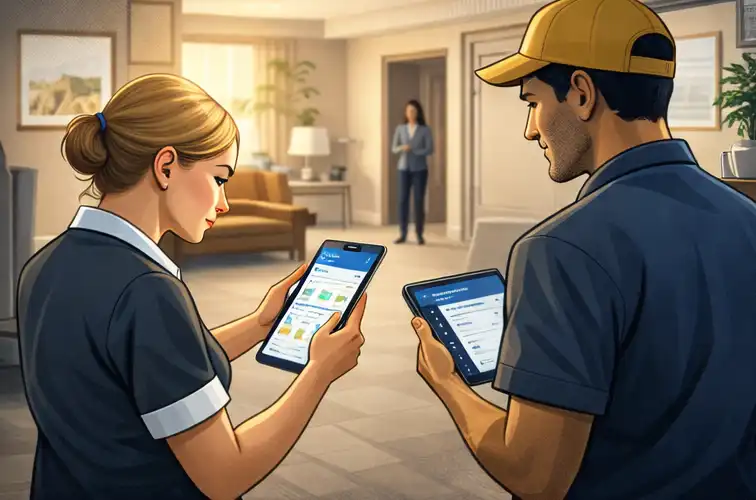
Hospitality operating systems have changed from optional tech upgrades to necessary parts of modern hotels. Having distinct platforms for property management, distribution, guest communication, and income optimization makes things more difficult, less visible, and less likely to grow.
Prostay is the most complete solution for this change. It brings all of the operational threads together into one system that enables hospitality firms improve their operations while giving guests great experiences.
Immediate actionable steps:
Hotels that use unified hospitality operating systems are ready to accommodate changing guest needs while keeping costs down and increasing income. The technology is there; to use it successfully, you need to carefully think about it and stick to your plan.
Some related subjects that are worth looking into are how AI can be used in hospitality operations, how hospitality groups can manage many properties, and how to improve the visitor experience by using unified data throughout the guest journey.