What Are Pop-Up Hotels? The Complete Guide
 Mika Takahashi
Last updated Jan 4, 2026
Mika TakahashiPop-up hotels are temporary places to stay that pop up for a brief time in interesting places. They give guests a different kind of lodging than typical hotels, focusing on experiences. This new trend in the hotel business has changed the way customers experience places, from music events to remote wilderness locales.
This tutorial talks about the idea of pop-up hotels, how to put them into action, and how they affect the industry. It doesn't include traditional hotels permanent building or traditional hospitality concepts. Instead, pop up hotel concept focuses on the fascinating world of transient housing ventures. The target demographic comprises hotel owners looking to break into new markets, guests looking for one-of-a-kind experiences, and professionals in the sector looking for new ways to improve hotel services.
In short, a pop-up hotel is a temporary place to stay that uses modular structures like luxury tents, shipping containers, or prefabricated units, a big difference compared to traditional hotels. They are set up for certain events, seasons, or limited periods of time, usually from one event to two years before they are taken down or used for something else.
By exploring this guide, you will gain:
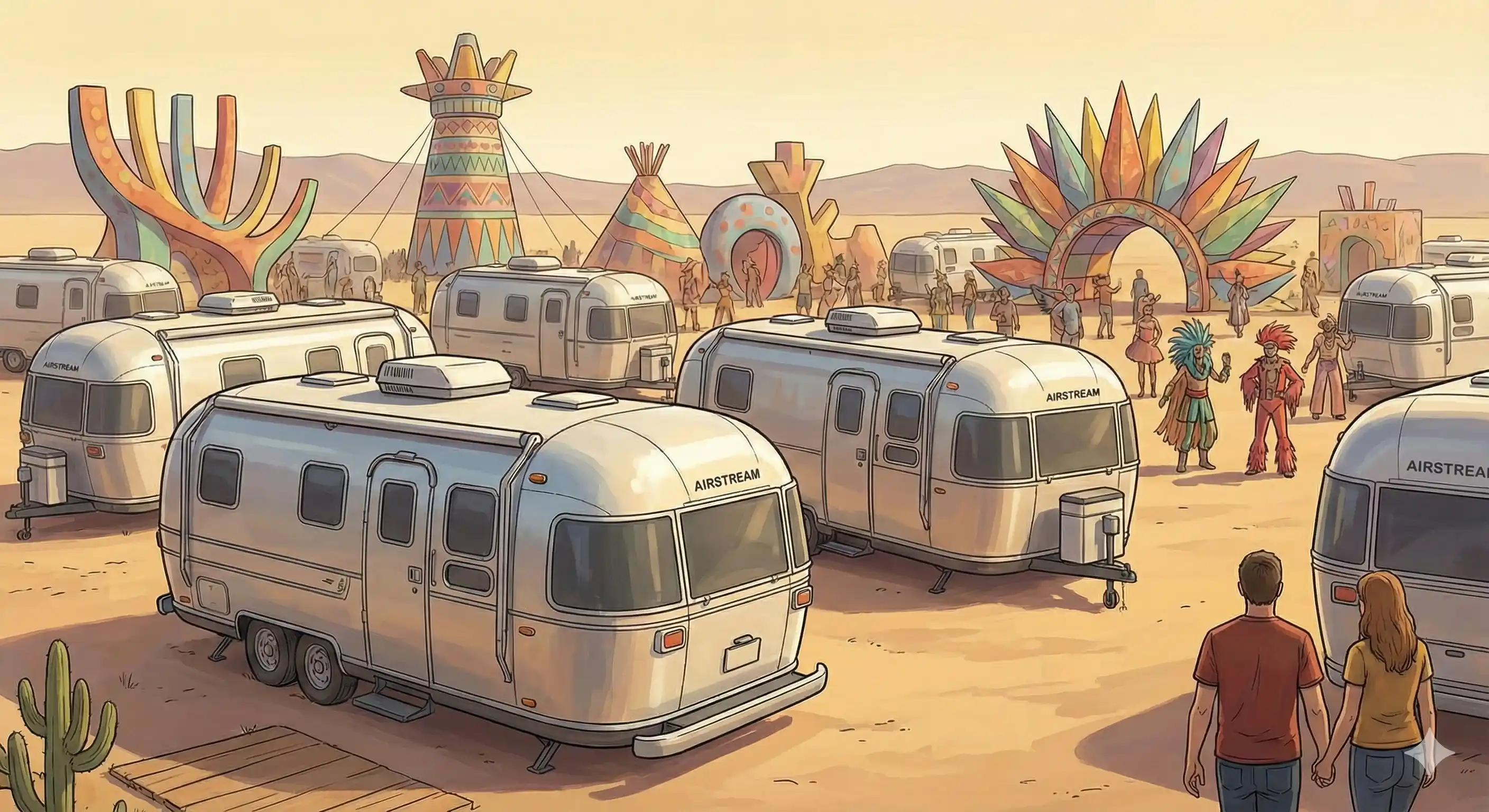
Pop-up hotels are temporary places to stay that use mobile or modular constructions. This automatically brings a necessary adjustment in hotel brand identity. They are used for events, festivals, and places that don't have the infrastructure for permanent multi-story buildings. These businesses focus on mobility, smaller footprints, and less environmental effect, unlike typical hotels that need a lot of urban support infrastructure.
It's quite important for modern travelers. Guests today, especially millennials and Gen Z, would rather stay in places that are Instagram-worthy and offer unique experiences than ones with regular king beds and minibars. There are more than 5.29 million hotel rooms in the US alone, so it's important to stand out. Pop hotels offer a level of exclusivity that regular hotels can't match.
A pop-up hotel is a temporary building that is only open for a few days, weeks, or months, not decades and it's found mostly in remote locations. This transitory nature makes it easy to quickly set up in places where permanent construction would be impossible, impractical, or bad for the environment.
Mobility is intimately related to market opportunity. Pop up hotel concept operators can follow demand to athletic events, weddings, festivals, and seasonal destinations, making money in ways that permanent properties can't. When an event is over or a season changes, the whole operation moves to a new place, leaving little imprint on the environment as it looks for new places with new chances.
Experience-driven hospitality is what pop hotels are all about. When guests reserve a room, they don't only get a place to stay; they also have access to amazing vistas, unique settings, and memories they'll want to share. This idea changes lodging from a necessary part of travel to a key part of the trip itself.
The link between temporary operation and experiential value makes for strong marketing. Limited availability and short stays create a sense of urgency and exclusivity that makes the guest experience better than what permanent resorts can offer. People who go to festivals and adventure travelers share their experiences on social media, which creates brand recognition that money can't buy.
This focus on experience naturally leads to looking at how different pop-up formats meet the needs of different market segments and guests.
To understand experiential value, you need to look at how many pop-up hotels have been able to take advantage of certain market opportunities in the hospitality industry. Temporary housing can be used for a wide range of events, brand activations, and seasonal destinations around the world, as shown by real-life examples.
Pop-up hotels during big events like Coachella, Glastonbury, and the Monaco Grand Prix offer guests luxury accommodations close to the action without sacrificing comfort. These companies set up tents and modular buildings that provide hotel-level service in the center of event grounds.
Companies like Blink were the first to use the event-driven concept such as sporting events, putting up structures that were easy to put together in beautiful places like Bolivian salt flats and tropical beaches. The brand got its name from installations that come and go without a trace. This appeals to eco-conscious tourists who want to be a part of unusual events in a sustainable way.
Pop-up hotels are effective marketing tools that help consumer brands create immersive brand identification experiences. The Bell hotel at Taco Bell turned the chain's look into rooms that people could book. Nutella's "Hotella Nutella" gave guests who loved breakfast a place to stay that was based on the famous spread. Orbitz's "Plant Hotel" was a wellness-focused getaway with lots of oxygen.
These brand activations show how businesses that aren't in the hospitality industry spend money on short-term hotel projects to get people excited, get media attention, and keep customers coming back that regular advertising can't do.
Every spring, the ice hotels in Sweden melt, and every winter, they are rebuilt. They are the ideal seasonal place to stay that needs to be rebuilt every year. Desert glamping businesses in Morocco open at the best times to travel, and coastal luxury tents move to the off-season to take advantage of summer tourism.
The apartment-integrated model is another option as a hotel target audience. Developers rent out 25 to 50 percent of new luxury apartment units for 8 to 24 months, turning empty units into temporary hotel rooms with all the facilities, fitness centers, and 24/7 service.
Some of the most important types of operations are event-based ones that serve festival markets, brand pop-ups that create buzz for marketing, and seasonal ventures that take advantage of demand windows that are only open in certain places.
These examples show what success looks like, which naturally leads to the topic of how business owners might start their own pop-up hotels.
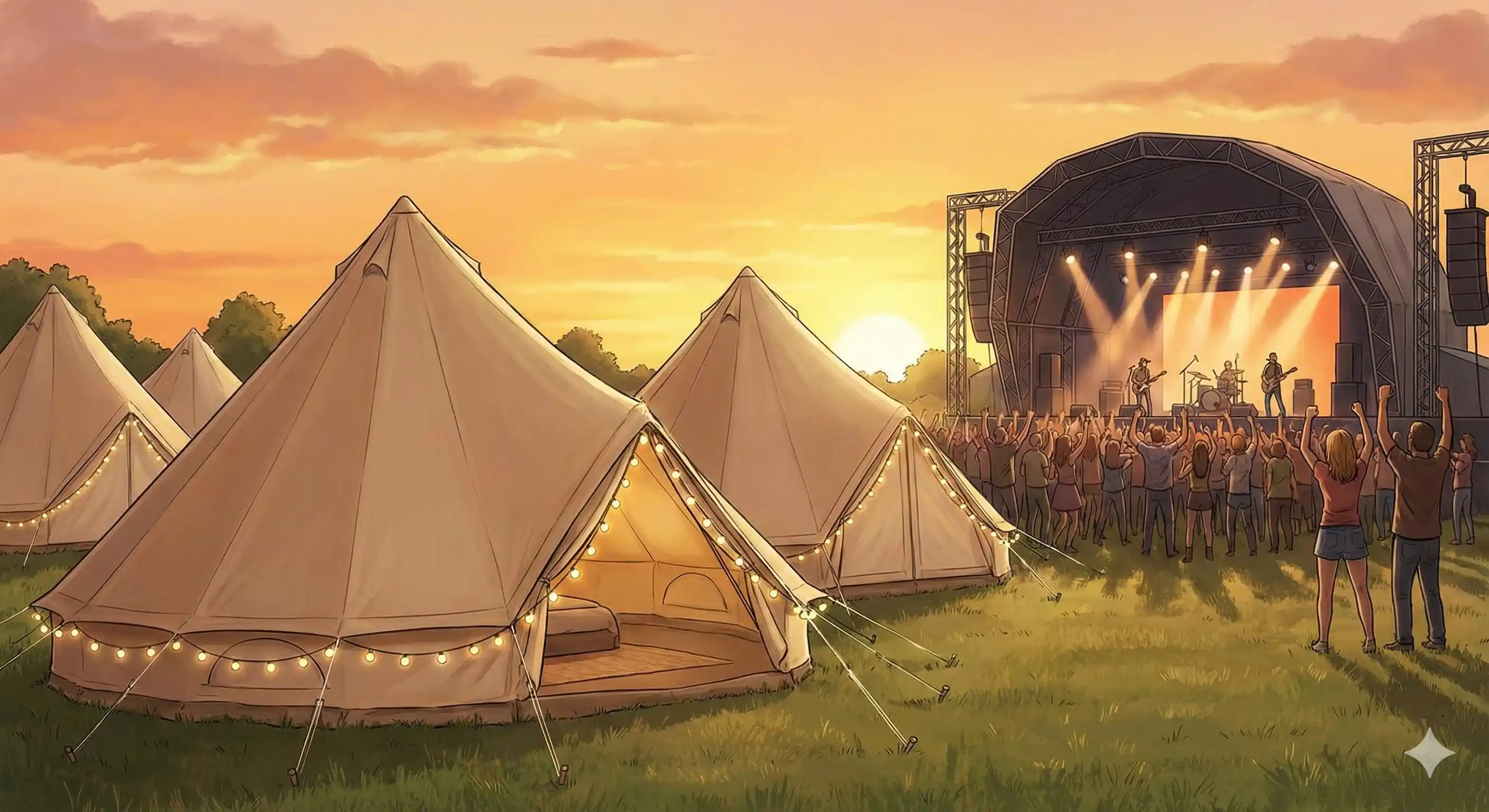
Careful preparation is needed for site selection, structural design, staffing, and guest service delivery in order to go from idea to reality. Successful pop-up hotel owners know how to run a business, handle logistics, and make the most of their property in new ways.
Every pop-up hotel starts by figuring out who their target market is and what unique experiences will make people want to book. By looking into event schedules, destination trends, and gaps in hotel availability, we may find places where temporary hotel solutions can meet unmet demand.
| Structure Type | Setup Time | Weather Resistance | Luxury Level | Cost Range |
|---|---|---|---|---|
| Luxury Tents | 2-3 days | Moderate | High | $50,000-$200,000 |
| Shipping Containers | 1-2 days | High | Moderate | $30,000-$150,000 |
| Prefab Modules | 3-5 days | High | Very High | $100,000-$500,000 |
Choosing the right structure hinges on finding the right balance between your budget, your timeline, and the level of luxury you want. Tents have the most classic pop-up look and are very appealing to guests, but they need better weather to work. Containers are more durable and can be set up more quickly in markets where industrial-boutique styles work. Prebuilt modules offer the best service quality, but they cost more and take longer to set up.
Knowing about different structure alternatives helps operators get ready for the problems that come with running temporary hospitality businesses. In the end, you need to adapt to unique locations and unique events.
Starting a pop-up hotel outside of typical hospitality industry infrastructure comes with its own set of problems that entrepreneurs must solve through careful planning and strategic collaborations.
It can be very hard to figure out zoning rules, health standards, and temporary accommodation licenses because the rules are very different in different places. The answer is to work with local lawyers and get the right permits 6 to 12 months ahead of time. The Arlington pilot for WhyHotel had to go through the county's approval processes. Successful operators see regulatory work as the basis for their business plans, not as an afterthought.
Infrastructure protection against bad weather is often missing in remote places with amazing views. Operators should build facilities that can withstand the weather and are rated for the area, and they should also make backup plans, guest communication methods, and full refund policies. The finest pop hotels plan for bad weather instead of seeing it as an exception.
Even experienced operators find it hard to hire and educate temporary workers to provide consistent hospitality during short-term operations. The answer is a lot of training before deployment, careful documentation of service standards, and collaborations with established hospitality companies who know how to run a business. A number of successful festival pop-ups work with boutique hotel management businesses to make sure that visitors get the level of service that their high rates deserve.
Addressing these problems in a planned way puts operators in a good position for long-term success that turns a short-term hotel trend into a long-term commercial opportunity.
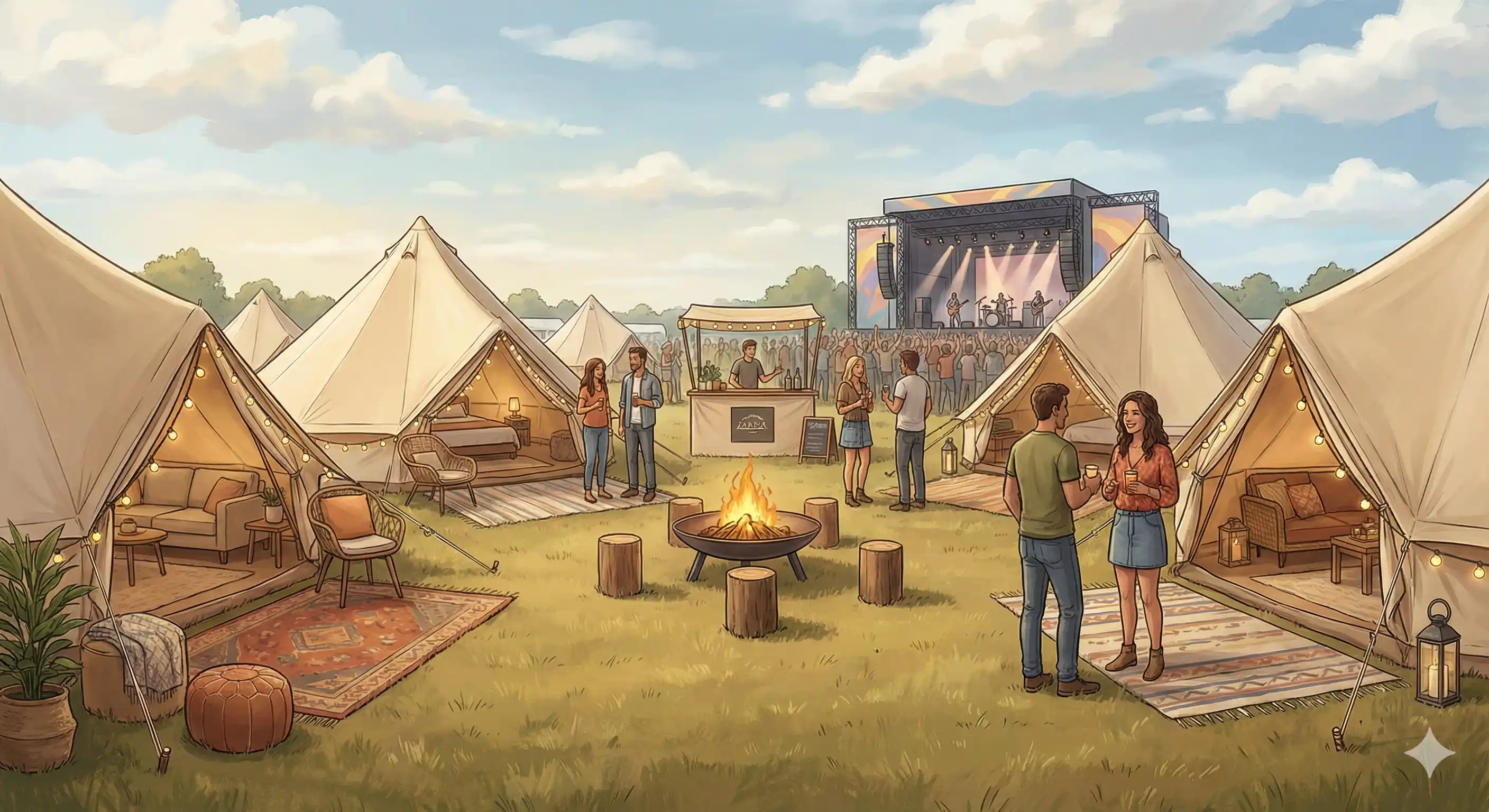
Pop-up hotels are a real breakthrough in the hospitality business since they offer temporary luxury and access to unusual places and activities that permanent hotels can't reach. This type of lodging appeals to guests who want to have unique, sharing experiences and are prepared to pay for them. It also gives entrepreneurs new ideas about how to run a hospitality business.
The future looks bright for expansion since more people are interested in experience travel, low-impact temporary structures are better for the environment, and technology makes it easier to organize trips and manage operations. Hybrid structures like condo-hotel arrangements are still changing to deal with changing rules and meet the demand for short-term rentals.
To explore pop-up hotel opportunities, take these immediate steps:
Glamping, boutique hotel development, and eco-friendly tourism programs are some other hospitality trends that are worth looking into. They all have a focus on experiences, which is what makes pop-up hotels so popular.
Industry Research:
Supplier Connections:
Case Study Documentation: