The Ultimate Guide to PMS Systems for Hotels in 2026
 Mika Takahashi
Last updated Feb 18, 2026
Mika TakahashiA pms system for hotels is a consolidated software platform that lets you manage reservations, the front desk, housekeeping, billing, and guest data all from one place. This hotel property management system is the backbone of operations for hotels of all sorts, from small independent hotels to huge hotel chains that want to make their everyday operations more efficient and improve visitor satisfaction.
This article tells hotel managers, owners, and operators everything they need to know about current property management software. It talks about cloud-based systems vs. on-premise solutions, the most important features for running a hotel smoothly, how to choose a vendor, and how to put the software into use. This guide will help you make the right choices when you upgrade your old systems or get your first hotel PMS.
A property management system PMS is a centralized hotel management software that combines reservation management, front desk management, housekeeping management, guest profiles, billing, and analytics into one platform. This makes it possible to make decisions based on data across all hotel operations and gets rid of manual administrative tasks.
A hotel property management system connects all of the departments and guest touchpoints in your facility. The hotel PMS keeps track of, organizes, and records every interaction from the time a guest bookings through your hotel website or an online travel agency until they check out.
The change from paper ledgers and simple reservation systems to full-service hospitality platforms shows how guest expectations and the difficulty of running a business have changed. Today's property management software can manage inventory in real time across all distribution channels, automate communication with guests, and create useful analytics. All of these features have a direct effect on revenue and guest experience.
Today's hotels need systems that can be used on mobile devices, work with other technologies, and grow with your business. A cloud hotel PMS addresses these needs while lowering the cost of IT equipment and letting property managers who are in charge of more than one location access the system from anywhere.
Any hotel PMS is built on front desk operations and managing guests. This covers checking in and out, assigning rooms, sending messages to guests, and giving updates on the status of rooms in real time. Good management of the front desk cuts down on wait times and makes a good first impression that affects the whole guest experience.
Your online booking engine, central reservation system connections, and channel management activities are all part of your reservation and booking administration capabilities. The system keeps track of room inventory accurately on all platforms, which avoids double-bookings and maximizes occupancy.
Housekeeping management modules maintain track of the status of each room (clean, unclean, inspected, or out of order) and let personnel change their assignments from their phones. The front desk and cleaning work together to speed up the turnover of rooms and make sure that they satisfy quality standards.
Financial reporting and billing systems make it easier to create folios, handle payments, and integrate accounting. These back-office tasks include making sure taxes are paid, making group reservations with split payments, and keeping track of revenue to help set prices.
More than 70% of new installations are cloud PMS systems, which are the most popular type. These systems may be accessed from any device, automatically update software, and cut IT expenditures by a lot, usually by 40–60% compared to on-premise systems.
Hotel groups who need a lot of flexibility or that work in places where the internet isn't always reliable like on-premise hotel property management systems. But they require a lot of money up front, specialized IT workers, and planned upgrade cycles that can make it hard to get to new features.
The move to cloud-based property management is in line with larger trends in the hospitality industry, such as operations that are mobile-first, real-time data synchronization across properties, and the ability to connect your property management system PMS with specialized tools for event management, guest services, and revenue management.
There are several distinct aspects that set property management systems that just work apart from those that actively generate income and visitor happiness. Knowing what these features can achieve will assist you compare vendors to your business needs.
An integrated channel manager links your hotel PMS to online travel agencies like Booking.com and Expedia. It also keeps track of room availability and prices across all distribution channels. This stops overbookings and makes sure that rates are the same, which is important for keeping OTA connections and protecting direct reservations.
Your hotel PMS and online booking engine should work together perfectly, so guests can see real-time availability and get immediate confirmation on your hotel's website. Direct booking systems that work well usually lower commission costs and get full guest profiles for future customisation.
Real-time inventory synchronization works for your central reservation system, group booking platform, and any vacation rentals or serviced units you administer. A modern hotel property management system PMS updates all of its associated channels within seconds of any booking, cancellation, or rate change.
Guest messaging systems let guests talk to each other before, during, and after their stays through SMS, email, and apps. Proactive contact with guests, such as giving them directions to their room, information about amenities, and reminders about check-out, cuts down on questions at the front desk and shows that you care.
Mobile check-in and digital key features give guests the self-service alternatives they want. Properties that use contactless technology say that wait times at the front desk can drop by as much as 50% during busy times, which directly improves visitor satisfaction scores.
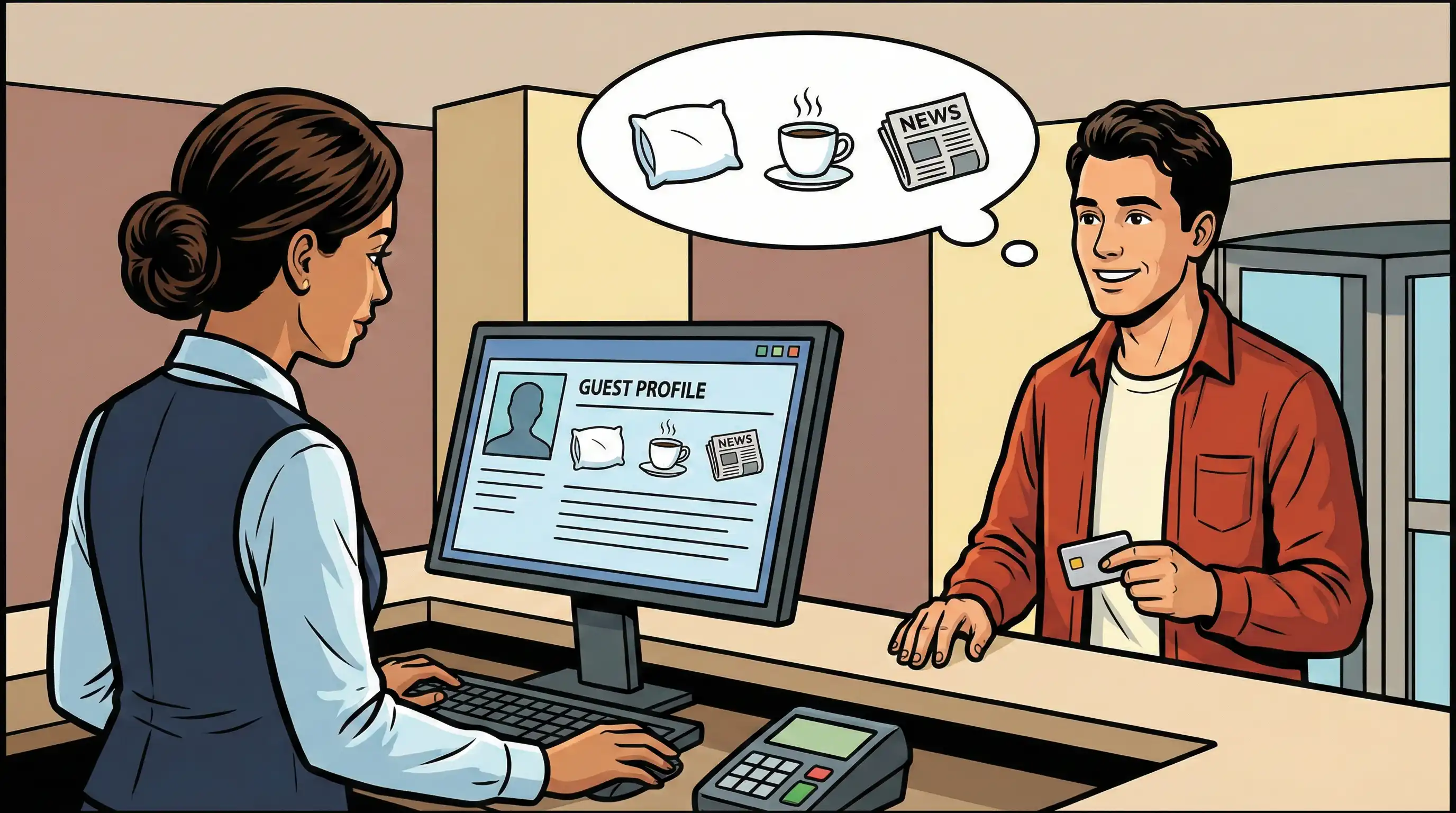
Managing guest profiles to make them more personal turns one-time visitors into loyal guests. Full guest profiles include preferences (room type, pillow choice, dietary restrictions), stay history, and loyalty status. This lets staff know what guests need and give them personalized experiences that make them want to book again.
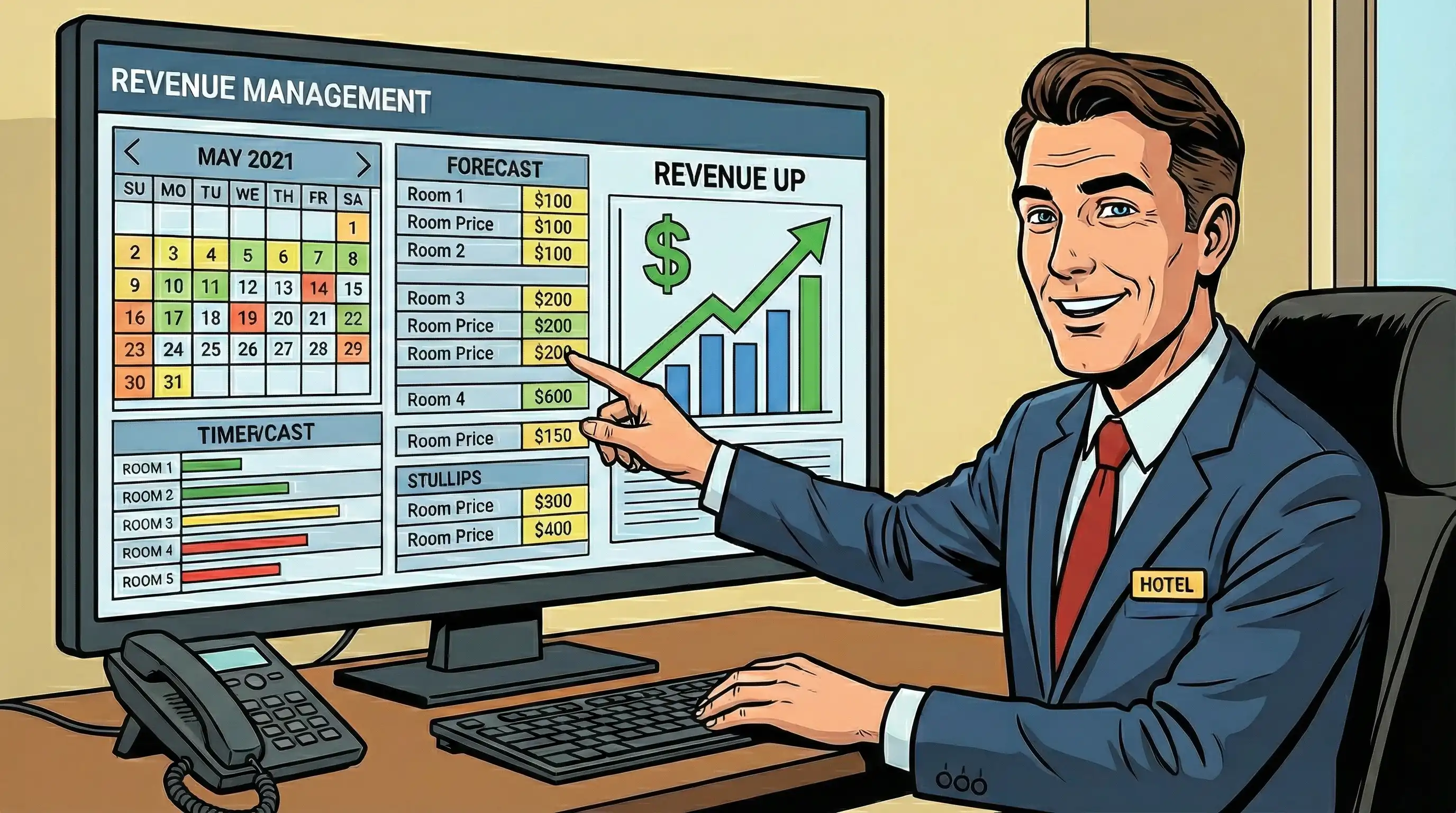
With dynamic pricing integration, your hotel's property management system can work with revenue management solutions that change prices based on demand, rival prices, and past trends. Hotels that use AI-powered revenue management usually see their RevPAR go up by 8% to 15% because they use better pricing tactics.
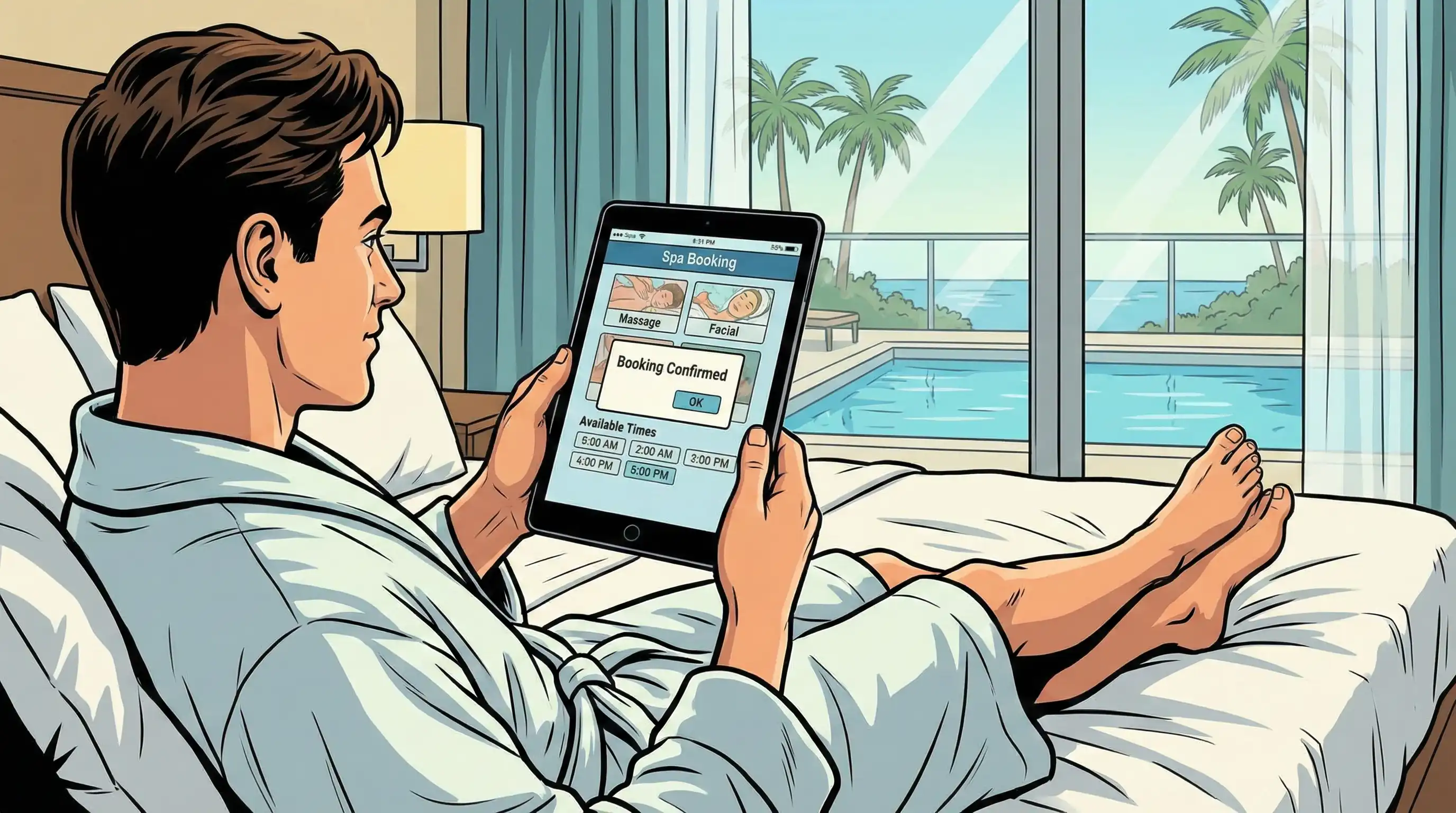
Automation for upselling and cross-selling shows relevant offers during the booking process and throughout the guest's stay. Using guest data to make extra money without being pushy, for as by arranging spa treatments before arrival, upgrading rooms at check-in, and suggesting restaurants.
Analytics and reporting dashboards show important numbers like occupancy trends, ADR, RevPAR, and CPOR in ways that help you make decisions based on data. Good hotel PMS software gives you both real-time operational data and historical analysis to help you prepare for the future.
At Prostay, we think that the next level of luxury hospitality isn't just about good service; it's also about being responsible. By giving our partners a single "Business OS," we help them go from reactive conservation to proactive, data-driven sustainability in their hotel operations. This is how our system helps the green efforts at top places like Komodo Resort in Indonesia:
Our Mobile-First architecture is meant to make the "paper trail" unnecessary. Prostay helps hotels and resorts get rid of thousands of printed pages every year by digitizing the whole visitor journey, from checking IDs before they arrive to checking out instantly online. This also gets rid of the logistical carbon expense of moving paper supply to isolated islands.
Throwing out food is bad for the environment and costs a lot of money. Prostay's AI Predictive Analytics works with Tableview POS to predict guest demand with incredible accuracy. The system helps kitchens order and prepare exactly what they need by looking at past trends in occupancy and dining.
The Result: Our partners usually notice a 15–20% drop in food waste, which protects local resources and keeps margins safe.
A fully integrated hotel property management system PMS is like the "brain" of the property. Prostay is designed to work with current "Smart Room" grids. When a guest checks out using our app, the system automatically turns on "Eco-Mode" for that room. This saves energy by lowering the lights and climate control until the next guest comes.
Helping the local ecosystem is also a part of sustainability. Prostay lets operators tag and keep track of "Eco-Conscious" guest groups. This information lets resorts run focused campaigns for local projects, such as protecting wildlife or restoring reefs. This turns operational data into direct assistance for the park's future.
Once the feature requirements are set, the selection process includes carefully evaluating vendors and making plans for execution. Your property's size, technological capabilities, budget, and growth goals will all affect which option is best for you.
Use these important aspects to set up your evaluation strategy before asking for demos:
| Criterion | Cloud Implementation | On-Premise Implementation |
|---|---|---|
| Setup time | 2-8 weeks typical | 3-6 months typical |
| IT requirements | Internet connectivity, standard devices | Servers, network infrastructure, IT staff |
| Training needs | Moderate; intuitive interfaces | Higher; complex customizations |
| Ongoing maintenance | Vendor-managed updates | Internal IT responsibility |
| Integration complexity | API-based; standardized | Custom development often required |
Cloud PMS implementations usually give independent hotels and other hospitality organizations with limited IT resources a faster return on investment. Hotel chains that need a lot of customization may be able to justify investing in on-premise solutions, even though they take longer and cost more.
Even when things are well-planned, problems might still come up. If you know these problems are coming, you can take steps to protect your investment ahead of time.
Choose property management software with user-friendly interfaces that make it easy to learn. Set up complete training programs with modules for each function, hands-on practice before going live, and easy-to-find support materials. Find internal advocates who can help coworkers through the change and strengthen new workflows.
Before choosing a vendor, check the quality of their API and integration documentation. Carefully plan the data migration, making sure that the guest data and historical records are correct before making the whole switch. Add extra time to implementation plans for integration testing and fixing problems.
Use PMS-integrated channel manager features instead of separate systems to keep rate parity and inventory accuracy. Set up clear protocols for managing rates across all distribution channels, and check the performance of each channel regularly to find the best balance between direct bookings and OTA distribution.
When you deal with these implementation problems before they happen, you can get the operational efficiencies and revenue growth that make your technology investment worth it.
A hotel PMS gives you the tools you need to run your business smoothly, keep guests happy, and make more money by using data. The correct hotel property management system gets rid of manual activities, links all of your technology, and gives you access to performance analytics that help you make strategic decisions.
Immediate action steps:
Other related issues that are worth looking into are optimizing channel management to make distribution more efficient in your hotel PMS, guest messaging systems to improve guest engagement throughout their stay as well as guest management and the overall guest satisfaction, and revenue management integration to get the most out of RevPAR with dynamic pricing.
PMS Vendor Evaluation Checklist
ROI Calculation Framework
Implementation Timeline Template