PMS Hotel Booking System: Guide for Hotels in 2026
 Mika Takahashi
Last updated Feb 20, 2026
Mika TakahashiA PMS hotel booking system is a single platform that controls all aspects of room inventory, distribution, and guest administration from a single interface. It does this by combining property management software with built-in reservation features. Hotels that want to compete well across several distribution channels while still being able to govern their operations need this technology.
This blog article talks about the main features of hotel property management systems that can handle bookings, what you need to do to make them work with other systems, how to choose the right one, and how to set it up. It focuses on full-featured PMS platforms that include built-in booking functions. Standalone booking engines that don't have property management tools are not included in this scope. This information can help hotel managers, property owners, and hospitality professionals make the reservation process easier and avoid disagreements between channels.
A PMS hotel booking system is a full-featured software platform that brings together reservations, room inventory, guest data, and channel management into one operational ecosystem. This lets hoteliers handle bookings from any source and automatically keep availability up to date across all platforms.

A hotel property management system PMS with built-in booking features is what modern hotels use to run their businesses. Instead of using separate software to handle reservations, hotels utilize this single platform to handle bookings, keep track of room inventory, coordinate housekeeping, and manage guest profiles, all while keeping real-time availability across all distribution channels at the same time.
This connection gets rid of the manual coordination that used to cause overbooking, price differences, and slow contact with guests for both individual hotels and hotel chains.
The hotel reservation engine in a hotel PMS keeps track of room availability in real time for all sorts of rooms and updates the inventory as soon as a booking is made. This stops guests from becoming double-booked, which annoys them and hurts sales.
Rate management features let you change prices based on how full the hotel is, how busy it is during the season, and events in the area. Instead of changing prices by hand on several platforms, the system automatically applies pricing regulations and sends out new rates through the channel manager part.
Hotel reservation management brings together reservations made directly through the property's website, online travel agencies, over the phone, and by walk-in guests. All bookings go into the same database, which gives front desk workers fast access to a combined view of present and future occupancy.
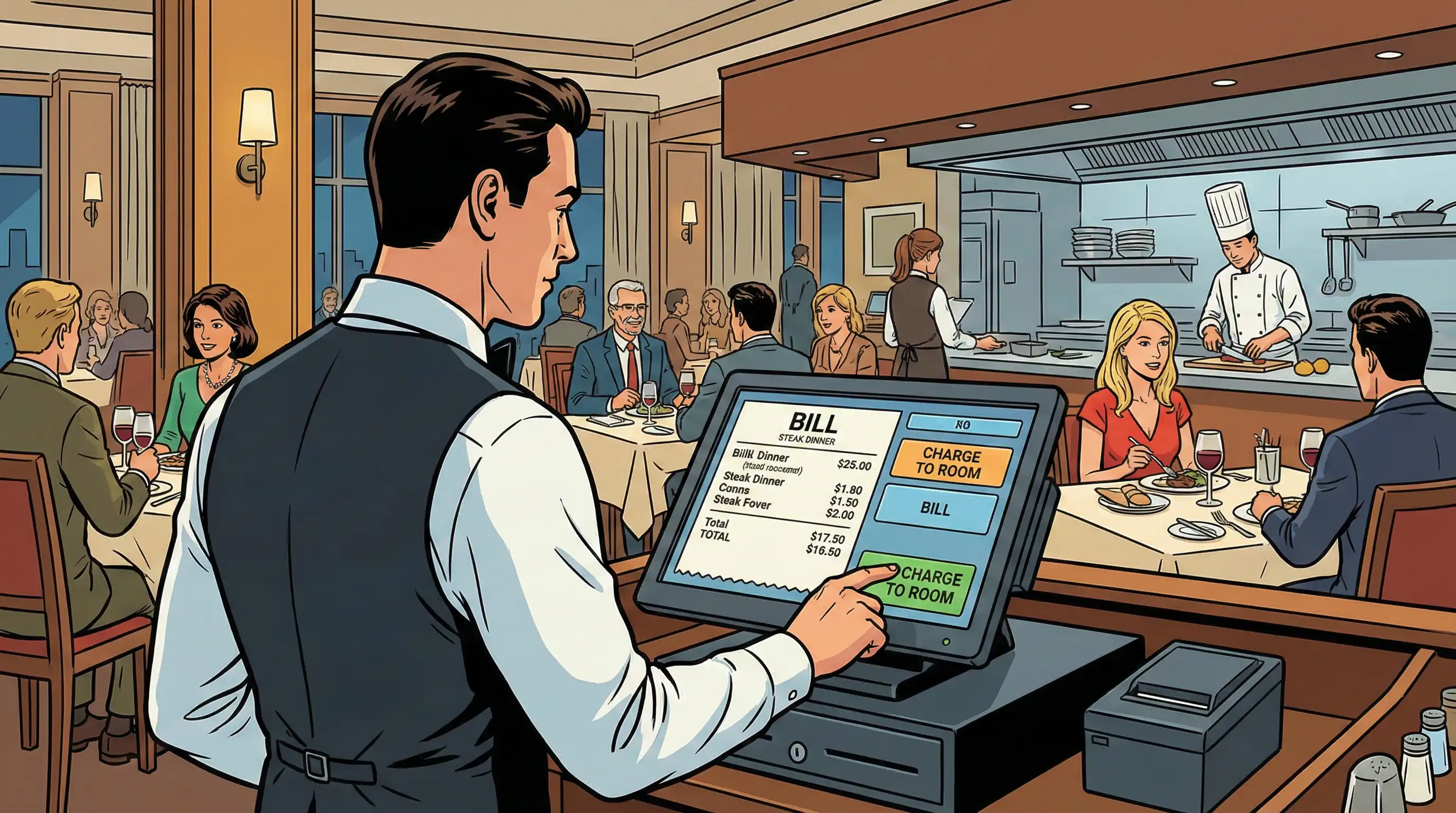
Front desk management is fully linked to the booking engine, so personnel can check in customers, change reservations, take payments, and assign rooms all from the same system. When a guest checks out, the room status changes automatically to start housekeeping tasks.
Real-time updates on the status of rooms are important for coordinating housekeeping. The property management system keeps track of which rooms need cleaning, which ones are ready for guests, and which ones need repairs. This automation cuts down on communication problems that slow down room turnover.
Guest management functions keep profiles that may be searched for contact information, stay history, and guest preferences. When visitors book again, staff can see their preferences right away, like their preferred hotel type, special requests, and loyalty program status. This lets them provide personalized services from the moment of booking.
These operational linkages lay the groundwork for good distribution management, which requires accurate and consistent inventory and pricing data to go to outside booking platforms.
To run a hotel in today's world, you need to be present on a variety of distribution channels, including direct property websites, major online travel agencies, and global distribution systems. Automated channel management in the PMS booking engine takes care of this complicated task. This makes sure that inventory and pricing stay in sync no matter where the bookings come from.
Most hotel property management systems come with a built-in booking engine that lets guests book rooms directly on the hotel's website. This direct channel cuts off commission fees and allows hotels full control over the booking process.
Guests may make bookings from any device thanks to mobile-responsive design. There are also possibilities for customizing the booking interface to match the property's identity. Payment processing connects directly to payment gateways, which keeps transactions safe and automatically adds charges to the guest folio in the PMS.
Centralized booking engines can show availability across all of a hotel brand's properties, which can lead to bookings across properties and more participation in reward programs.
Channel management features keep Booking.com, Expedia, Airbnb, and other online travel providers up to date automatically. When a room sells through any channel, all connected platforms get updated availability within seconds.
Rate distribution makes sure that prices are always the same by using dynamic pricing rules across all channels at the same time. The system keeps track of the commission arrangements for each channel and makes reports that show how much money was really made after paying commissions.
These same distribution tools connect inventory to the specific platforms where people looking for holiday rentals and serviced flats can find them.
Connections to global distribution systems make goods available to both corporate travel managers and regular travel agents. Hotels that want to attract corporate travelers and groups booking through travel management companies still need this channel.
Corporate rate agreements can be set up in the property management system so that negotiated prices are automatically applied when bookings come in through certain GDS channels. For event management, group booking management takes care of room blocks, master billing, and coordinating the rooming list.
These distribution features create a lot of booking data, which advanced PMS features turn into chances to make more money.

In addition to simple reservation processing, advanced hotel property management systems have revenue management tools, guest engagement automation, and analytics features that help the property perform at its best. These capabilities set full-featured enterprise solutions apart from simple booking software.
Dynamic pricing automatically changes rates based on demand signals, occupancy projections, and how well the business is doing compared to its competitors. Yield management algorithms don't wait for changes in the market to happen before they respond. Instead, they predict demand patterns and change prices ahead of time.
Occupancy forecasting looks at past booking patterns, local events, and the present pace to guess how many people will want to stay in the future. Properties may spot times when demand is low early on and use marketing methods to boost sales before they miss out on revenue opportunities.
Some platforms, like Prostay and Opera, provide a feature that keeps an eye on competitor rates by tracking prices at similar properties. This market intelligence informs rate positioning decisions without requiring manual research.
Real-time analytics dashboards turn booking data into useful information, such as ADR trends, RevPAR performance, channel contribution analysis, and lead time patterns that show where improvements can be made.
Guests can skip the lines at the front desk by using self-service check-in options including kiosks, mobile apps, or QR codes. Mobile key access makes this even easier by letting guests go straight to their rooms.
Personalized upselling automation shows relevant deals during the booking process and before the guest arrives. The system proposes hotel upgrades, package additions, and extra services based on the guest's profile and the details of their booking.
At important times, such when a guest books a room, gets information before they arrive, receives a welcome message, or fills out a survey after their stay, guest communication routines start automatically. This regular interaction raises satisfaction scores and gets useful input through methods like Review Express.
Loyalty program integration links booking activity to earning and using reward points. Guests who come back see their status acknowledged throughout the booking and stay process.
The hospitality business has PMS alternatives in a number of different architectural styles. By knowing these differences, properties can choose solutions that meet their needs.
| Criterion | Cloud Based PMS | On Premises PMS |
|---|---|---|
| Initial Investment | Lower upfront cost, subscription model | Higher upfront cost, perpetual license |
| Updates | Automatic, vendor-managed | Manual, IT-dependent |
| Access | Any device with internet | Primarily on-site terminals |
| Data Control | Vendor-hosted infrastructure | Property-controlled servers |
| Scalability | Elastic resource allocation | Hardware-dependent capacity |
| Criterion | All-in-One PMS | Modular PMS |
|---|---|---|
| Integration Complexity | Pre-integrated components | Requires third party integrations |
| Customization | Standardized functionality | Flexible technology configuration |
| Vendor Dependence | Single vendor relationship | Multi-vendor ecosystem |
| Feature Depth | Broad but potentially shallow | Specialized best-of-breed tools |
| Criterion | Enterprise PMS | Small Property PMS |
|---|---|---|
| Multi-Property Support | Centralized management across hotel groups | Single property focus |
| Feature Scope | Comprehensive including event management | Core features for essential operations |
| Implementation | Complex, extended timeline | Rapid deployment |
| Cost Structure | Higher investment, volume discounts | Budget-friendly, scalable pricing |
For independent hotels that don't have complicated operations, cloud PMS platforms that let you choose how to set them up quickly without needing a lot of IT personnel. Most of the time, hotel chains and worldwide brands need enterprise solutions that let them manage many properties, speak multiple languages, and get reports from all of their properties in one place.
Setting up a PMS hotel booking system comes with technical, operational, and organizational challenges. Taking care of these problems ahead of time stops problems that could hurt guest experience and revenue during times of change.
Moving from old systems to new ones involves careful planning for moving data:
It takes technical cooperation to connect APIs to existing hotel management software like point-of-sale systems, accounting platforms, and back office tools. Solutions with open APIs make these connections easier, but proprietary systems could need custom programming.
More than technical issues, staff training and change management are what make adoption successful. Front desk staffers need to practice making reservations, housekeeping staff need to learn how to use mobile devices, and management has to know how to use reporting and analytics tools.
Keeping rates the same across all distribution channels stops guests from getting confused and breaking contracts. The property management system should automatically enforce price standards to avoid mistakes that hurt relationships with OTAs or hurt direct booking tactics.
To stop overbooking, inventories must be synced in real time with update speeds of less than a second. When there are problems with connectivity, the system should use cautious allocation criteria instead of risking double-booking.
When optimizing commissions, you look at more than just gross bookings to see how well a channel is doing. If a channel brings in a lot of business but doesn't make much money after commissions, it might be better to give less money to that channel and more to lower-commission options or direct bookings.
Payment processing must be PCI compliant. The PMS must turn payment card data into tokens, keep secure communication protocols, and keep track of all financial transactions.
GDPR and local data protection laws control how properties gather, keep, and use guest information. The system should be able to handle consent management, data retention policies, and guests' rights to see or delete their information.
Secure guest profiles need role-based access controls so that staff can only see information that is relevant to their jobs. Audit logging keeps track of who looks at critical guest information and when.
Integrated PMS hotel booking systems stop operational fragmentation, which hurts guest happiness and efficiency. Hotels can take charge of the whole booking process by putting all of their reservations, inventory, distribution, and guest administration on one software platform. This cuts down on the amount of labor that needs to be done by hand and stops expensive mistakes.
Take these immediate steps:
AI-powered revenue optimization, mobile-first guest experience design, and multi-property management techniques for growing hospitality brands are all related issues that are worth looking into.
PMS Vendor Evaluation Checklist:
Implementation Timeline Framework:
ROI Calculation Factors: