Online Resort Management Systems: 2026 Cloud Operations
 Mika Takahashi
Last updated Feb 17, 2026
Mika TakahashiA cloud-based online resort management system brings together all the parts of running a resort, from making reservations and helping guests to coordinating several amenities and maximizing revenue, into one easy-to-use interface. This resort management software is now necessary for properties that offer more than just room bookings.
This tutorial talks about all the different types of resort management software, including as property management systems (PMS), booking engines, channel managers, and tools for improving the guest experience. It is made for resort owners, managers, and hospitality professionals that want all-in-one digital solutions to make their resort operations run more smoothly. Whether you own a luxury resort with spa appointments and boat excursions or a vacation rental business with different types of properties, knowing how these systems work will help you operate your business more efficiently and make more money.
A cloud-based online resort management system brings together reservations, guest management, operations, and revenue management for resorts. This lets all departments and distribution channels work together in real time and automates routine tasks to boost revenue and guest satisfaction.

An online resort management system is a type of integrated resort software that connects all of the resort's operational points, such as the front desk, cleaning, dining, recreational services, and distribution, through a single platform. These cloud-based technologies give you centralized control and let data flow in real time between all departments, unlike old methods that used paper ledgers and separate tools.
A strong resort PMS is the most important part of any resort management software. This part handles managing reservations, keeps complete profiles of guests that include their preferences and histories, and makes sure that rooms are available across your resort. Staff can see the state of rooms in real time, handle check-ins and check-outs, and easily connect with housekeeping staff through built-in job scheduling.
The PMS for resorts goes beyond what a regular hotel PMS can do. It keeps track of repair orders and maintenance requests to make sure that every unit is ready for guests. It also maintains other sorts of inventory, such as villas, cabins, and event spaces.
With a strong booking engine, people can book directly through your website with a safe checkout, calendar previews, and automatic confirmations. This part makes it less necessary to use online travel agents and allows for group bookings and flexible check-in times.
The resort channel manager keeps prices and room bookings in sync across more than 20 distribution channels in real time. This stops double bookings and keeps prices consistent. This two-way connectivity means that when a guest bookings through any channel, availability updates right away everywhere. This is highly important for keeping occupancy high without overselling.
Dynamic pricing algorithms in these systems change rates based on occupancy, demand estimates, and booking histories. This connects distribution strategy to profitability in a direct way.
Modern tools for guest experience change the way resorts talk to their guests. Automated message systems handle guest contact, including confirmations, itineraries, and targeted upsell offers. With a guest self-service portal and guest app, guests may check in, request room service, order food at restaurants, and schedule spa appointments without having to wait in line at the front desk.
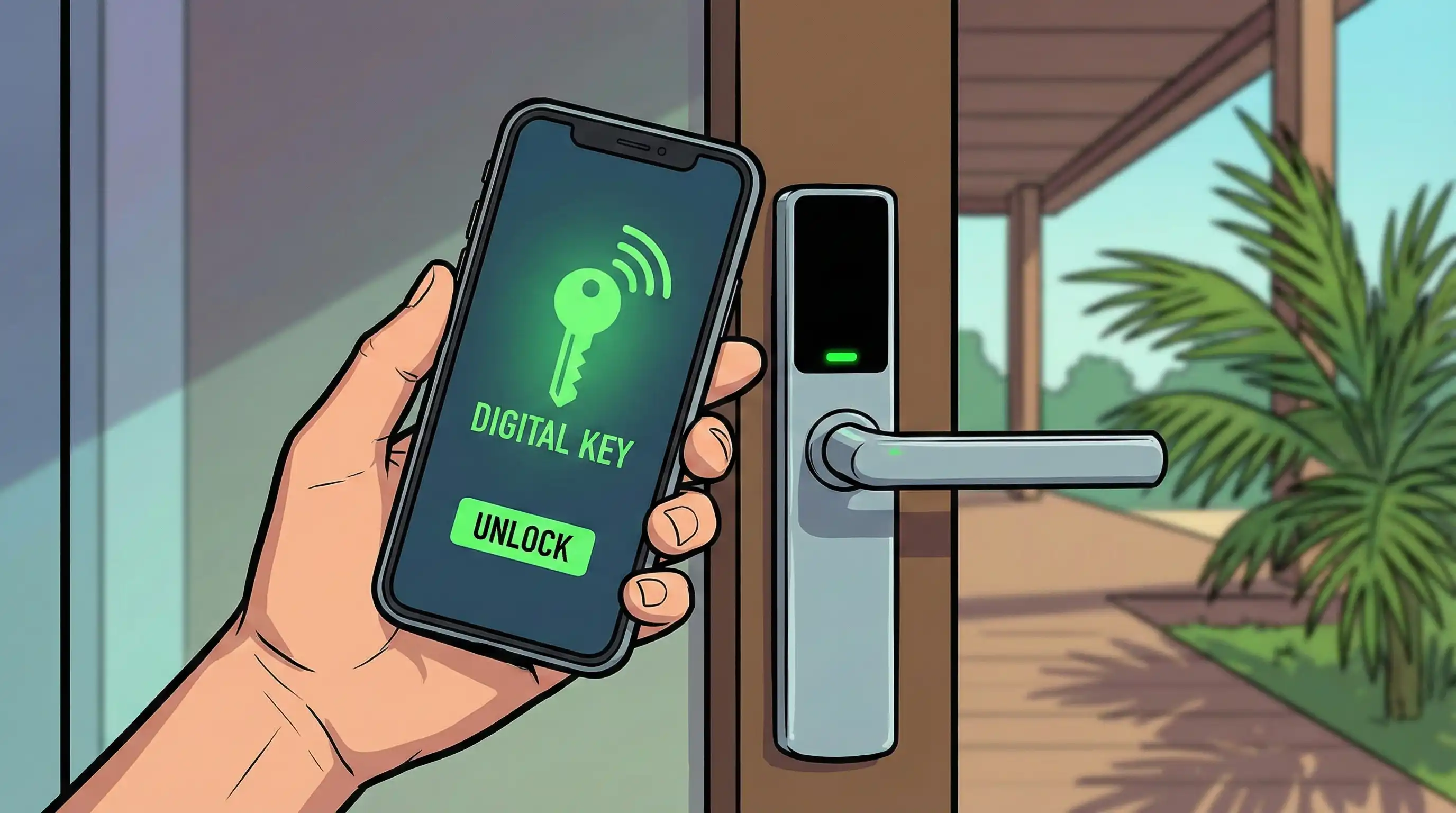
Self-service kiosks and digital key retrieval alternatives are especially helpful for properties with villas or cabins that are spread out, as they reduce the need for staff while still fulfilling guests' modern expectations for ease. These skills are the building blocks for the specific elements of the resort that we'll look at next.
True resort management software has features that are exclusive to resorts, while generic hospitality software does not. Resort operators need tools that can handle the specific challenges of running their businesses.
Multi-amenity resorts need a single inventory control system that goes beyond just room bookings. A whole resort management system uses integrated modules to handle spa appointments, restaurant bookings, activity scheduling, and event spaces. Guests can book all kinds of leisure activities, from spa treatments to boat cruises, through one interface.
Point-of-sale connectivity keeps track of sales across all amenities, allowing for unified financial reporting. This integration makes it possible to create packages that include both lodgings and activities. This leads to real-time upgrades for guests and higher average spending per guest.
Sophisticated resort booking software uses AI-powered rate optimization that looks at past data, prices from competitors, and trends in demand. Seasonal rate management helps resorts deal with the big changes in occupancy that happen a lot, and dynamic price changes in real time to make the most money during busy times.
These technologies are quite important since they help with plans to get more direct bookings. Resorts can greatly increase their profits by relying less on internet travel firms, who charge 15–25% in fees. Targeted promotions, loyalty programs, and tailored marketing through linked CRM modules move more guests to channels that don't charge a commission.
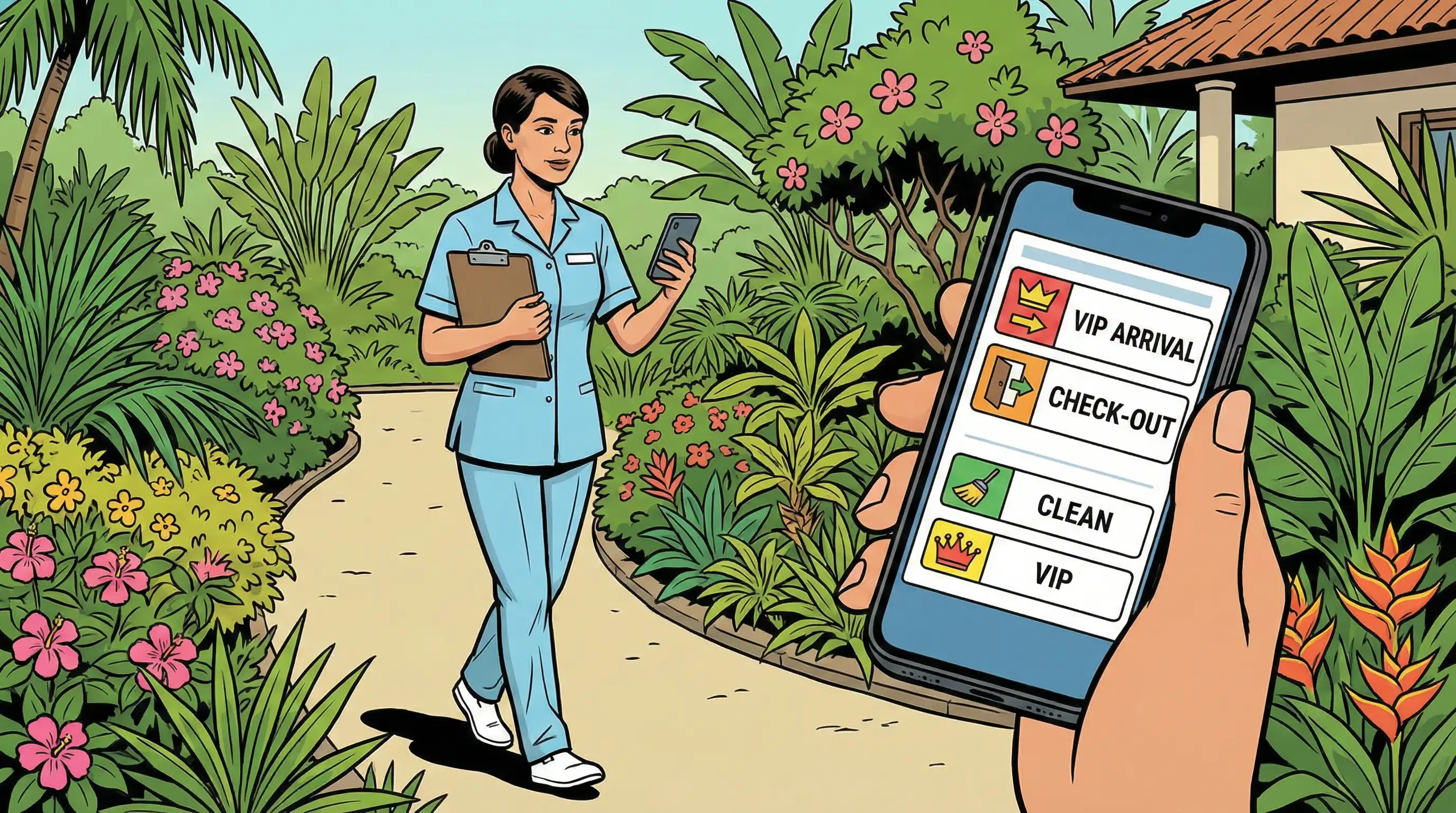
Housekeeping management automatically sets up tasks based on the times guests check in and out, their preferences, and how important they are. Tracking maintenance makes sure that both preventive and reactive work orders go to the right people without any problems, and personnel can get updates on their phones.
Employee scheduling takes care of the complicated staffing demands of a resort, such as seasonal workers, activity instructors, and team members who can do more than one job. Role-based access protects important visitor data and makes sure that the right people in each department have the right permissions.
These automation features cut down on manual coordination mistakes, which lowers operational costs. Some installations have reported a 50% drop in errors. This lets staff focus on providing individualized services that keep guests interested.
To choose and use the correct resort management software, you need to carefully look at your property's individual operational needs and growth path.
Resorts should look into new systems when their current ones make it hard to run the business, don't meet visitor expectations, or limit the ability to maximize revenue. Use this organized method:
| Feature | Basic Systems | Enterprise Solutions |
|---|---|---|
| Multi-property support | Limited | Comprehensive with centralized operations |
| API integrations | Basic OTA connections | Extensive third-party ecosystem |
| Customization options | Template-based workflows | Fully customizable for unique resort needs |
| AI capabilities | Standard reporting | Predictive analytics and dynamic pricing |
| Mobile access | Guest-facing only | Full staff and guest mobile ordering |
For boutique properties, tiered subscriptions that cost between $50 and $500 a month usually include all the features they need. Custom enterprise solutions that connect old systems and serve complicated multi-amenity needs are usually helpful for larger luxury resort operations. These solutions cost $10,000 or more a year.
Put systems that have been used in resorts ahead of generic hotel app solutions. Ask for references from similar properties and test the accuracy of the OTA sync before going all in.
Even while there are apparent benefits, using a resort management system will run into some problems. Proactive planning takes care of problems before they affect operations or guest happiness.
Moving years of guest information, reservation data, and operating records from old systems is risky.
Pick systems that have dedicated teams to help with migration and plan for a 4- to 6-week transition period. Run both systems at the same time for a short time to make sure the data is correct before the full cutover. To keep providing individualized services, make sure that guest preferences and loyalty program data transfers are done correctly.
New technology makes people resistant, especially those who have been with the company for a long time and are used to how things are done now.
Start with passionate early adopters who can help their colleagues and roll out in phases. Training sessions that are customized to the everyday activities of each department, such front desk, housekeeping, and F&B, help people gain confidence faster than general system overviews. Set up continuing support resources like quick-reference manuals and people who are known as "super-users."
Resorts frequently have built-in tools for things like payroll, bookkeeping, or other specialized tasks that can't be substituted.
Put systems with strong API support and ready-made connections for common resort tools at the top of your list. When you're testing, don't just look at compatibility lists; really test the important integrations with your real systems. Cloud-based system architectures usually provide more flexible ways to connect than on-premise ones.
By carefully dealing with these problems, your resort will be able to fully benefit from the operational and commercial benefits of contemporary resort management technology.
A good online resort management system turns scattered processes into consolidated ones, and data-driven decisions lead to measurable gains. These technologies help with the particular challenges of running a whole resort by managing channels in real time to stop double bookings and giving guests individualized experiences that raise satisfaction levels.
Take these immediate actions:
For a more in-depth look, you might want to look into particular PMS features for your type of property, advanced channel manager strategies for lowering your reliance on OTAs, and guest experience optimization methods that boost loyalty and make it easier to handle reservations.