Hotel Software for Multi Property Management: Guide for 2026
 Mika Takahashi
Last updated Jan 5, 2026
Mika TakahashiWith hotel software for multi-property management, hotel organizations may handle reservations, operations, and guest data across several locations from one central platform. This property management software gets rid of the operational silos that cause problems for hospitality organizations that have to use different systems for each location. It replaces broken workflows with a single control over your whole portfolio.
This resource is for hotel chains, boutique hotels, vacation rentals, and hospitality groups that run a lot of properties. This doesn't include solutions for only one property. Hotel group owners, operations directors, and property managers looking for hotel management solutions that can grow with their business will discover useful information on how to evaluate, choose, and set up these multi-property management systems.
Multi-property management software keeps track of reservations, revenue management, housekeeping, and guest profiles for all of your properties in one place. It does this through cloud-based platforms that sync data in real time. This means that you can provide consistent guest service and run your business more efficiently, no matter how many rooms or locations you manage.
From this guide, you will gain:
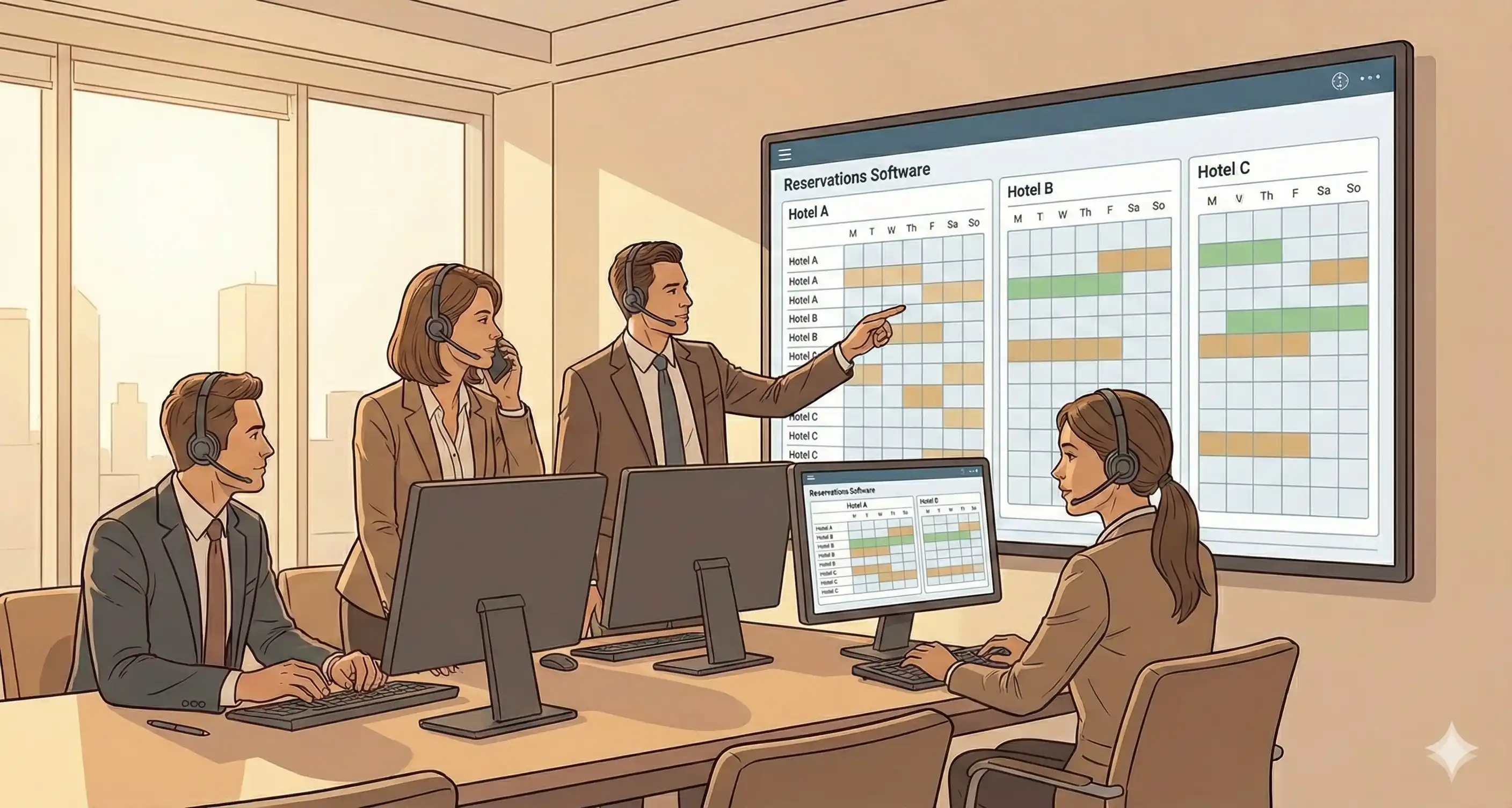
A multi-property management system is a type of hotel management software that lets you manage the everyday operations of several properties from one dashboard. These platforms combine reservation management, guest data, revenue management systems, and housekeeping management into one system that can be accessed from any property or remote access point. This is different from standalone hotel PMS software that only works at one site.
Centralized control stops property managers of hotel chains or independent hotels with various locations from having to enter the same data multiple times, having guests have different experiences, and losing money when properties operate on their own.
Modern property management systems for hotel companies with several properties include cloud-based PMS architecture and centralized databases that sync in real time across all connected properties. This infrastructure makes sure that as soon as a guest books at one site, their profile, preferences, and loyalty status show up at all the other properties in your portfolio.
Cloud-based hotel PMS software lets hotel groups grow without having to buy new hardware at each location. Because the database is consolidated, changes to rates, availability, and guest communication choices happen at the same time across your whole portfolio, so you don't have to update each property by hand.
Three integration components make up the foundation of good multi-property hotel management:
Property Management System (PMS): The operational core takes care of check-ins and check-outs, room availability, housekeeping, and front desk operations at all locations.
Channel Manager: An integrated channel manager sends rates and availability for all properties to online travel agencies like Booking.com and Expedia at the same time. This stops overbookings and makes it easier to control distribution.
Booking Engine: A multi-property booking engine lets visitors to your website search for availability across all of your properties, compare them, and make direct bookings that don't have to pay OTA commissions.
These parts need to work together smoothly through API linkages, sharing guest profiles and operational data to provide the unified experience that sets professional hotel groups apart from locations that are only weakly connected. When you understand this design, it becomes clear why some functionalities are important for real-world use.
The above integration components are only needed if the current property management system using by the hotel group doesn't come with multi-property management built in. Prostay and other modern property management systems are built from the ground up to manage many properties. This means that hotel chains may cut down on the time it takes to integrate new systems from months to a few weeks.
To turn theoretical integration into operational excellence, effective multi-property management software needs certain features that build on the system architecture described above. The following major elements are prerequisites that hotel groups must have in order to have real centralized control.
Unified guest profiles are the basis for managing guests across many properties. When a guest who has been to one of your properties before books again, your staff should be able to see their room choices, dietary needs, past stays, and any requests they made during their last visit right away. This guest data synchronization turns anonymous transactions into unique experiences for each guest, which keeps them coming back.
Cross-property booking lets the central reservation system propose other properties when the ones you want are full. Instead of only reacting to reservations, you can now plan them. For example, if a city property is sold out, you can get direct reservations for your neighboring serviced apartments instead of losing the booking completely.
This is where Prostay comes in extremely handy. Its new multi-property booking engine lets hotel chains add a multi-property booking engine to their website that creatively shows all of the available properties.
The multi property management system should keep a single customer master record that updates automatically, no matter which property gets new information. This will make sure that all of your hospitality businesses provide the same level of service to guests. Hotel chains that need better client interaction and management must meet this essential criteria in the hospitality business.
With bulk rate management, revenue managers can change prices at several hotels at the same time while keeping the right differences between property types. A single interface controls the pricing strategy for the whole portfolio, so you don't have to log into different systems.
At the portfolio level, revenue management systems look at competitor rates, local events, and past demand patterns across all locations. Dynamic pricing algorithms can automatically find the best prices for each property while keeping brand prices consistent. For example, they can raise prices at city properties during conferences and lower them at beach resorts during the off-season.
Channel management sends real-time updates on rates and room availability to all online travel agents for all properties. This stops overbookings, which hurt the guest experience and reputation management.
Role-based permissions determine which employees can access certain characteristics, functions, and data levels. A revenue manager could look at the finances of all the properties, but a housekeeping supervisor could only examine the status of the rooms in their assigned property.
Two-factor authentication (2FA), single sign-on (SSO) integration, and audit trails that keep track of all system modifications are all examples of multi-property access controls. GDPR compliance solutions make sure that managing guest data fulfills all legal criteria at all properties without the need for extra compliance infrastructure.
Security includes payment processing, and integrated payment gateways handle transactions safely while keeping your entire portfolio PCI-compliant. As a centralized hotel management software hold more valuable aggregated data, these defenses become more and more important.
After figuring out the important qualities, the next step is to put them into action in a planned way.
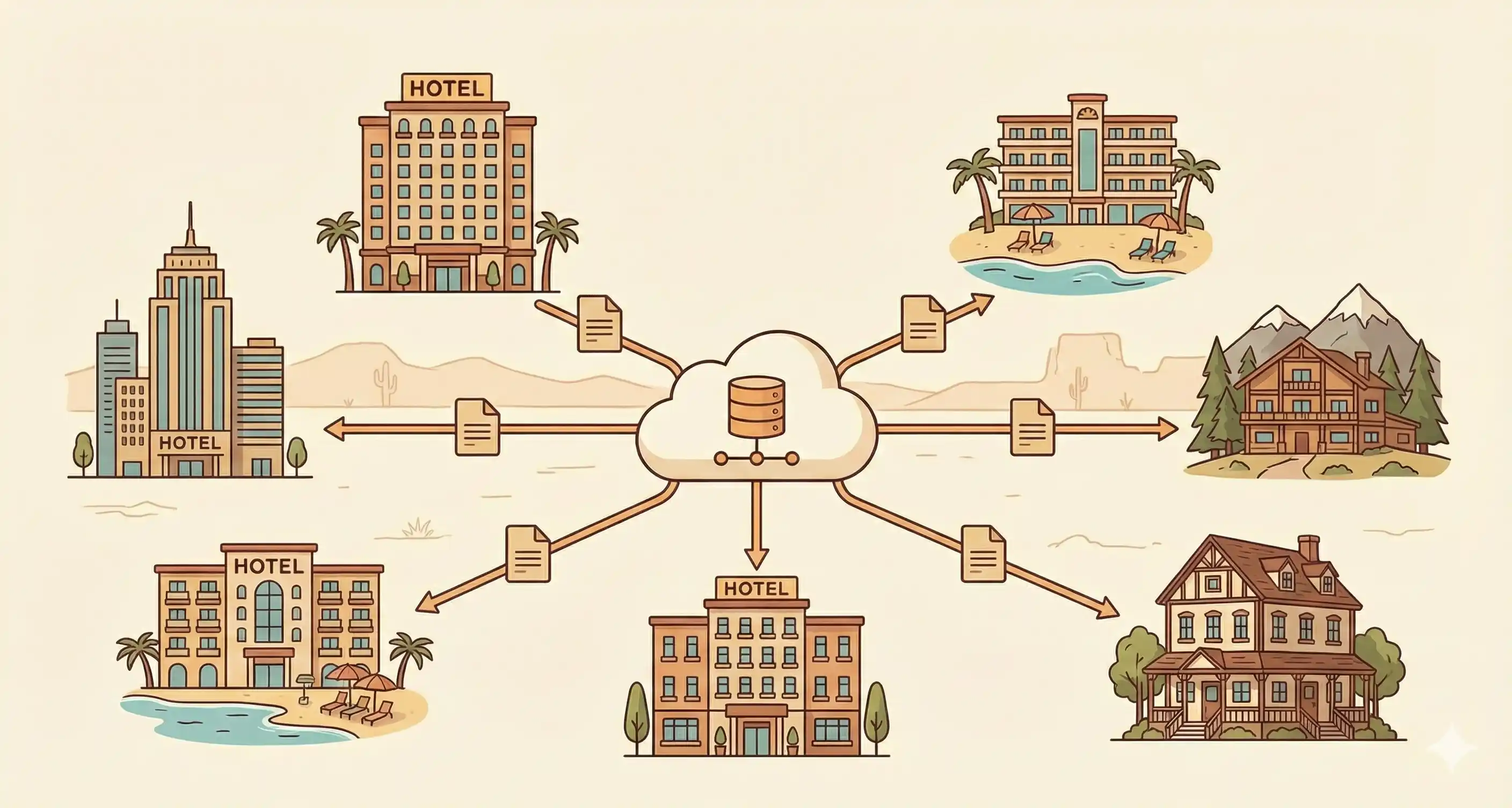
To successfully deploy multi-property management software, you need to prepare carefully because it's hard to coordinate changes across several sites with various people, tools, and ways of doing things.
When hotels move from old systems or grow from running only one property, they need to do things in a methodical way:
Choosing multi-property management software means comparing providers based on the things that are important for managing a lot of properties at once:
| Criteria | Prostay | Generic Multi-Property PMS |
|---|---|---|
| Scalability | Native multi-property architecture supporting unlimited locations | Often retrofitted single-property systems with bolt-on multi-site features |
| Feature Completeness | Unified PMS, CRM, channel management, and booking engine in single platform | Frequently requires third-party integrations for complete functionality |
| Integration Ecosystem | Pre-built connections with Tableview restaurant management and major hotel systems | Variable integration quality requiring custom development |
| Support Model | Dedicated multi-property implementation specialists | Generalist support less familiar with portfolio complexity |
| Reporting | Portfolio-wide analytics with property-level drill-down for RevPAR, ADR, occupancy | Often siloed reporting requiring manual consolidation |
Prostay gives multi-property groups all the features they need without having to piece together several systems. The platform's centralized architecture was specifically designed for hotel chains and hospitality businesses that manage several properties. It gives them real operational efficiency instead of workarounds.
Tableview works perfectly with Prostay as the multi-property restaurant management solution for hotel companies who run restaurants, bars, or room service at more than one location. With this link, your property management system can see all of your hotel's operations, including dining venues. It combines F&B revenue, inventory, and staff scheduling.
Even software that is carefully chosen can have problems during installation that need to be fixed right away.
It is easy to forecast the problems that may come up while using multi-property management software. Taking care of these things ahead of time keeps guests from having bad experiences and keeps daily operations running smoothly.
Solution: Start the stepwise migration with your most standardized property, making sure the data is correct before moving on to areas with more complicated legacy systems. Before going live, make sure to test API connectivity with important integrations like payment gateways, an integrated channel manager, and a booking engine. Set up periods of parallel operation when both the old and new systems are running at the same time. This lets personnel check for accuracy while keeping operations going.
With Prostay, data migration is included into our basic service and functionality. For reservations every property has a built-in reservation migration feature or you can ask the assistance of our Data Migration team who stand ready to assist during the original setup.
Solution: Create centralized training programs with common modules that cover the basic functions. Then add property-specific sessions that meet the particular operating needs of each property. Choose super-users at each location who get extra training and are the first point of contact for coworkers who need help. Modern technologies like Prostay have user-friendly interfaces that make training easier, but it's still important to have the same procedures across all properties to keep service standards high.
Solution: Use the template management tools to make sure that all properties use the same guest communication, rate structures, and service protocols. Automated policy enforcement makes sure that the boutique hotels in your portfolio keep their own unique style while still following the same rules for guest communications, managing their reputation, and running their loyalty programs.
These solutions turn common problems into doable steps for putting them into action, getting your business ready for successful operations across several properties.
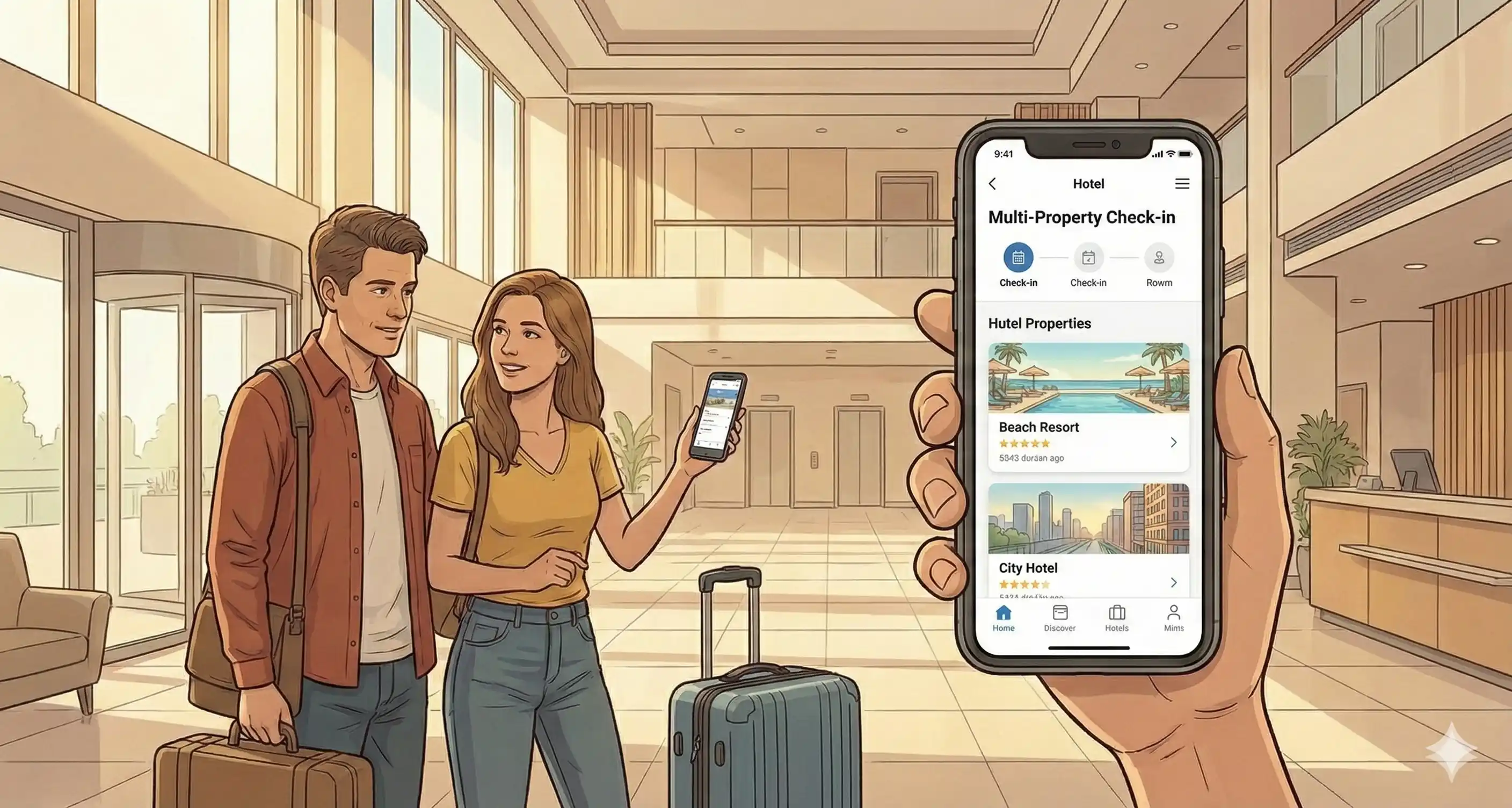
Multi-property management software changes how hotel groups work by giving them full control over reservations, guest profiles, and revenue management across all of their properties, instead of having to deal with separate systems. In the hospitality industry, the operational efficiency gains—fewer mistakes because to automation, happier guests thanks to tailored service, and higher profits thanks to coordinated pricing—give businesses long-lasting advantages over their competitors.
Immediate actionable steps:
If your company is ready to improve its multi-property skills, look into revenue management optimization strategies that use demand data from all of your properties and guest experience enhancement approaches that turn all of your guest data into personalized guest journeys that guests will remember.