Marketing Tools for Hotels: Boost Direct Bookings and Revenue
 Mika Takahashi
Last updated Feb 21, 2026
Mika TakahashiHotels that want to rely less on internet travel agents and make more money through direct channels need marketing tools for hotels. This all-encompassing guide looks at the digital platforms, automation software, and analytics tools that help hotel owners get more direct bookings and keep guests coming back.
This article talks about seven main types of hotel marketing tools: CRM systems, email marketing platforms, social media management, SEO tools, analytics platforms, booking engines, and guest communication software. We don't include traditional advertising approaches or offline marketing strategies. Hotel owners, independent hoteliers, and marketing managers will find useful tips for making more money from direct bookings while lowering the costs of commissions to OTAs.
Digital platforms that attract potential guests, manage relationships across multiple channels, and drive revenue through data-driven decisions are all part of hotel marketing tools. With integrated tech stacks and a good hotel marketing strategy, hotels can boost revenue by up to 30% while lowering OTA commissions, which average 15-25% per booking.
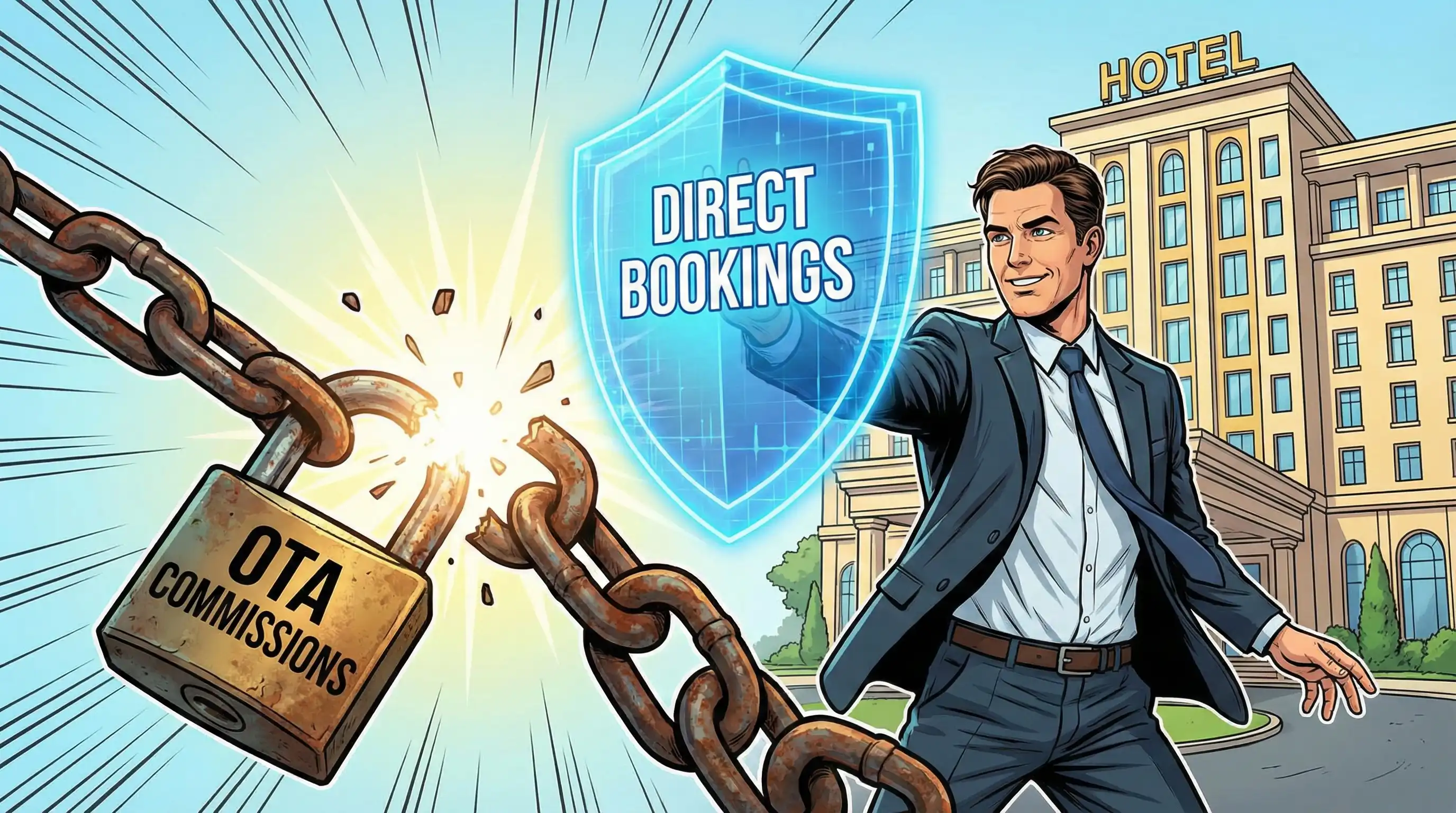
Digital platforms and software solutions that hotels use to get customers, keep track of connections during the booking process, and make money through direct channels are called hotel marketing tools. These solutions have come a long way since the early 2000s, when they were just basic property management systems. Now they are advanced AI-driven platforms that give guests individualized experiences and cut down on the need for middlemen.
The fundamental goal of hotel marketing tools is still to obtain more guests. They do this by making the hotel more visible online, having a strategic presence on social media, and running targeted ads on search results and metasearch platforms. These technologies let properties get in touch with the right people at key points in the booking process when they are making decisions.
There is a clear link to making money through increased conversion rates on hotel website visitors and more direct bookings that are completed. Selfbook Direct and other platforms have shown that checkout completion rates go up a lot when they offer one-step processes that include digital wallets and "Buy Now, Pay Later" choices.
Booking engines, CRM systems, channel managers, and marketing automation are all part of an integrated platform. This method makes sure that data is consistent across all visitor touchpoints and lets OTAs, GDSs, metasearch engines, and direct channels get updates in real time.
Standalone solutions are better at some tasks. For example, a specialized email marketing tool may have more automation options than an all-in-one platform's email module. But independent hotels typically have trouble integrating different point solutions, with up to 20% of establishments saying they had trouble setting them up. Knowing these trade-offs will help you look at the individual tool categories that come next.
Hotel marketing strategies need different tools for different types of tasks, based on the basic ideas of integration and core functions. Each area covers a different part of the guest's experience, from the first time they hear about it to fostering loyalty after their visit.
CRM solutions bring together guest data from many sources into single profiles that allow for tailored marketing efforts at every stage of the customer lifecycle. These platforms keep track of guests' contact information, booking history, preferences, and communication records so that they can be grouped for targeted promotions.
Prostay comes out of the box with an advanced CRM solution that gives you a full picture of the booking process. This lets you manage your lead pipeline, predict sales, and set up automatic follow-ups. Properties that use advanced CRM systems say that guests are happier because they get tailored messages before they arrive and offers that are based on their past stays.
Hotel email marketing technologies make automated workflows that guide potential clients from their first inquiry to booking confirmation and beyond. These platforms are great at sending timely information based on how guests act, like emails about abandoned carts, booking confirmations, and updates to loyalty programs.
The link to CRM data is very important since email marketing platforms use visitor preferences and history to make subject lines, offers, and content more relevant to each user. Properties that use email marketing automation can cut response times by up to 85% while still keeping the personal touch that makes guests want to book directly.
Social media sites like Instagram, Facebook, and newer ones that younger people use need to have new content made all the time. Management solutions combine scheduling, creating visual content, and tracking engagement into single dashboards that make marketing programs easier to run.
User-generated content management is a very useful tool for hotel brands because guest images and online reviews show that other people have stayed there and can help people decide whether or not to book. Properties that use organized content calendars say that their engagement rates go up and their brand messaging stays the same across all mediums.
To know which technologies are best for your property, you need to use a structured implementation method. The next part talks about this by giving real deployment tactics.
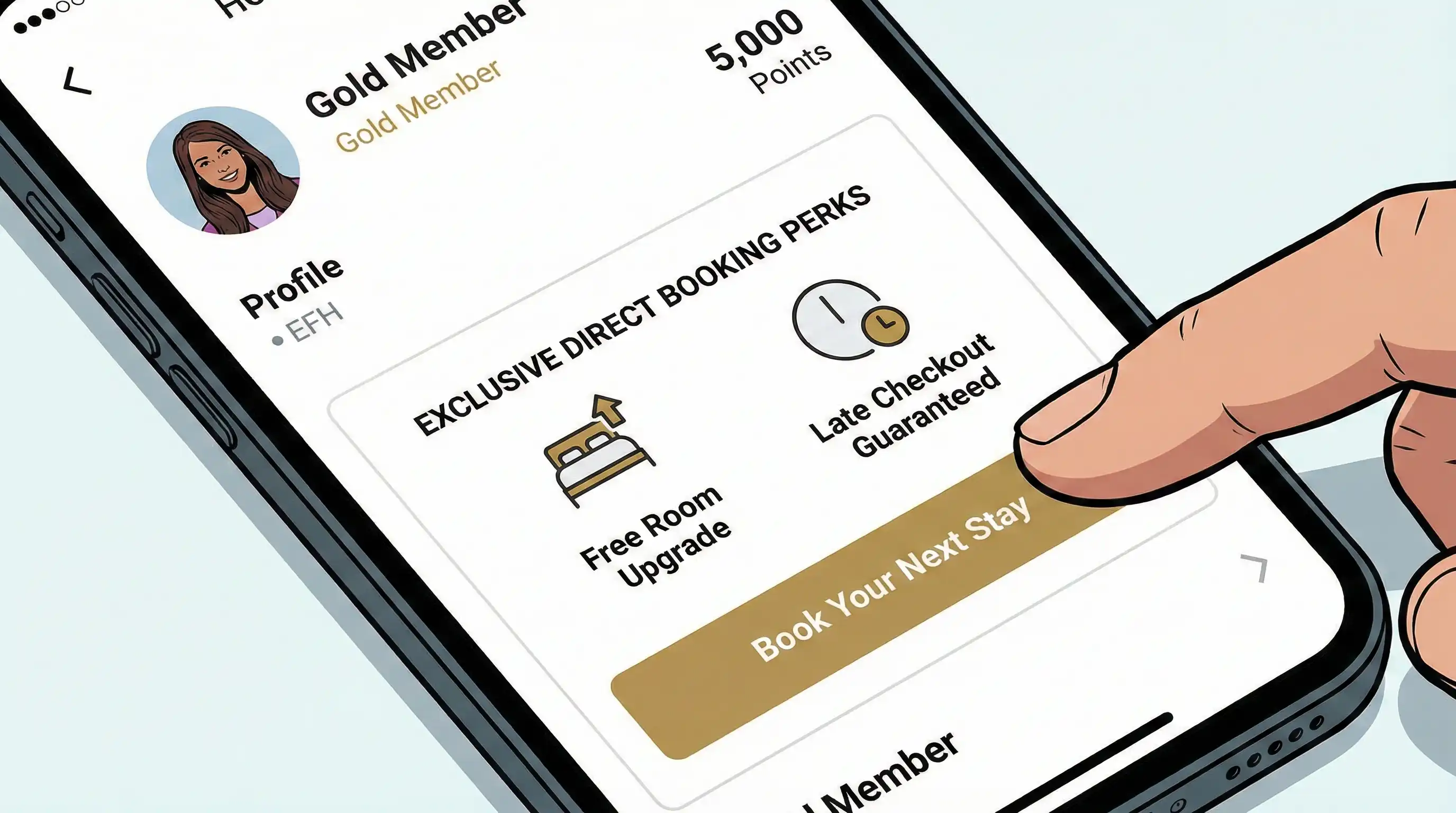
The tool types listed above are only useful if they are used in a way that is appropriate for your property's unique situation. Context is very important. For example, premium hotels need different layouts than inexpensive hotels, and independent hotels have distinct problems than branded chains.
When marketing campaigns don't do as well as they should or when existing systems make it hard for guests to get around, properties should use new marketing methods. The following steps lower the risk of implementation while speeding up the time it takes to see results:
| Tool Category | Monthly Cost Range | Implementation Time | Expected ROI Timeline |
|---|---|---|---|
| Email Marketing | $50-$300 | 2-4 weeks | 3-6 months |
| Social Media Management | $100-$500 | 1-2 weeks | 6-12 months |
| CRM System | $200-$1000 | 4-8 weeks | 6-18 months |
| SEO Tools | $100-$400 | 2-3 weeks | 6-12 months |
| Google Hotel Ads | Variable (CPC) | 1-2 weeks | 1-3 months |
When organic traffic methods get better, smaller properties usually do better by starting with email marketing solutions that are free or have a minimal entry cost and then moving on to social media management. Larger properties may be able to justify investing in CRM right away because they may make more money by targeting certain groups of guests and marketing to them. For properties with a lot of website traffic, Google Hotel Ads should be a top priority because they can quickly boost direct bookings at a lower cost than OTAs.
These plans for putting things into action often run into problems that are easy to see coming and need proactive responses.
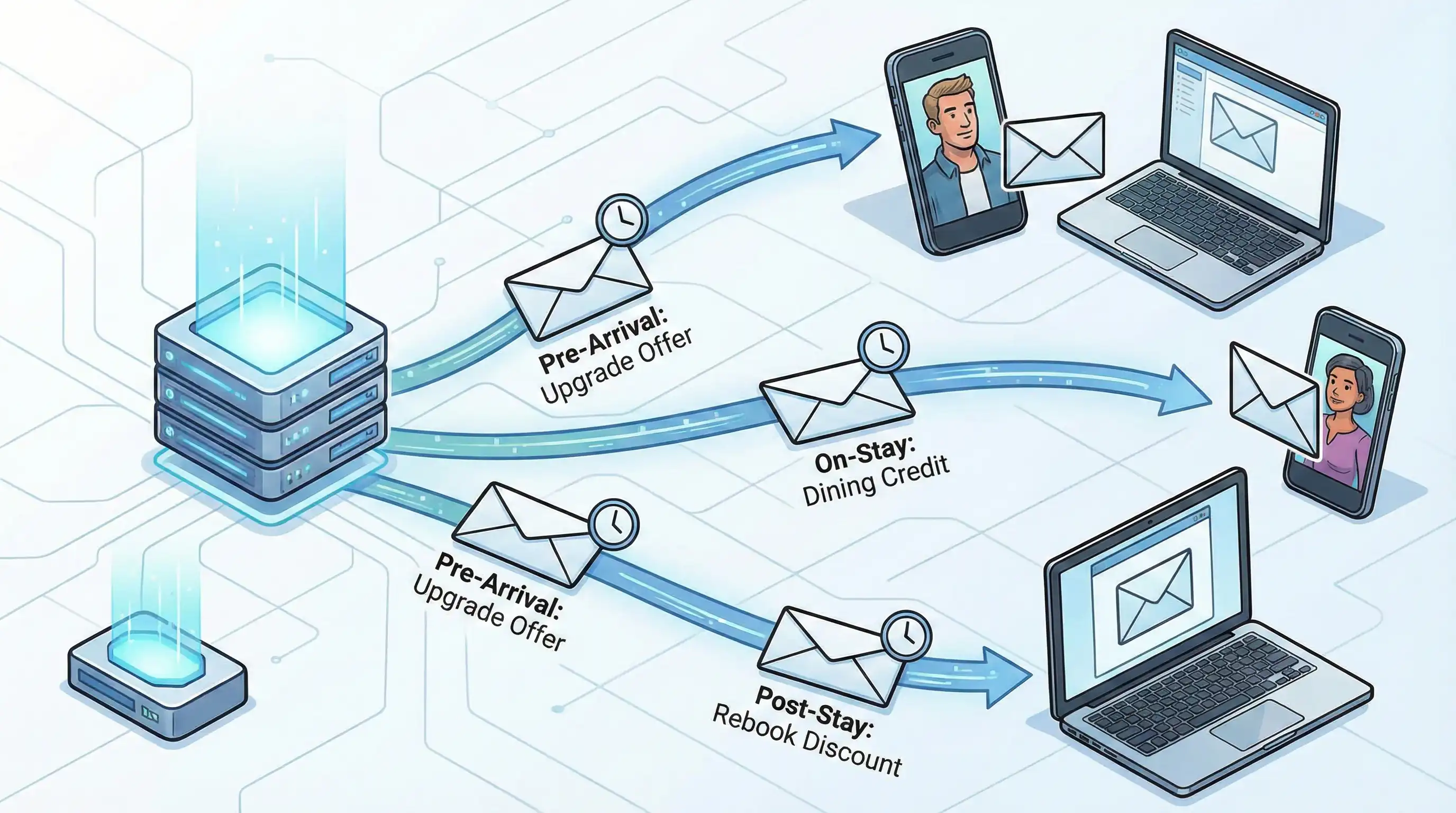
Even when marketing tools are carefully built, they can still run into problems that hurt ROI and make it hard for staff to use them. Taking care of these problems ahead of time preserves your investment and speeds up outcomes.
When guest data is spread out over many platforms, it makes it impossible to personalize the experience, which is what drives direct reservations. The answer is to choose tools with strong API connectivity and make the property management system the main data hub that sends information to booking engines, channel managers, and CRM systems. Before putting something into use, doing a data audit finds out what has to be integrated and saves expensive rework.
When teams are used to their current workflows, they generally don't want to use new marketing technologies. Phased rollouts that add features one at a time help people not feel overwhelmed, and hands-on training sessions—rather than just reading documentation—help people feel more confident. Choosing tool champions in each area builds internal knowledge and support from coworkers for adoption.
To prove the ROI of a marketing tool, you need to track attributions and analyze the conversion funnel. Use Google Analytics with expanded eCommerce monitoring to link your marketing initiatives to the money you make from direct bookings. Before you start, set baseline KPIs and keep an eye on how your conversion rate, average booking value, and client acquisition cost change compared to OTA commissions.
These solutions give your property the best chance of long-term success by using marketing methods that give you measurable results.
Choosing and using hotel marketing techniques in a smart way has a direct effect on both direct booking revenue and the quality of the interaction with guests. The hospitality industry is moving toward direct channels, and it's expected that 50% of income will come from direct booking platforms. This makes it even more important for properties to invest in tools that will help them make the most money while building loyal consumers.
To move your marketing approach forward, do the following right away:
Some related topics that are worth looking into are hotel revenue management software for dynamic pricing tactics, guest experience platforms for keeping guests engaged during their stay, and search engine optimization approaches that use Google Keyword Planner and Google Trends to get more organic traffic.