15 Most Common Hotel Guest Complaints: Solutions & Prevention

Dec 1, 2025
Mika TahakashiMika Tahakashi
Table of contents

Every hotel guest complaint is more than just a frustrated customer—it’s a direct challenge to your hotel’s reputation, revenue, and long-term success. In today’s world, where a single negative review can turn away 30 out of 50 potential guests, understanding and addressing hotel guest complaints isn’t just good hospitality—it’s smart business.

The hospitality industry is facing a unique challenge: while technology has made many hotel operations smoother, guest expectations have skyrocketed even faster. Travelers now expect seamless experiences, and when hotels don’t deliver, they’re quick to voice their dissatisfaction across review sites, social media, and beyond. Since 81% of travelers read reviews before booking and 97% rely on online feedback to make decisions, mishandling common guest complaints can seriously hurt your bottom line.

This guide dives into the 15 most common hotel guest complaints every hotelier should know about. We’ll explore practical solutions you can implement immediately, long-term fixes, and proven prevention strategies to keep complaints at bay. By taking these steps, you can turn complaint management from a headache into a powerful tool for boosting guest loyalty and repeat business.
What Are Hotel Guest Complaints and Why They Matter

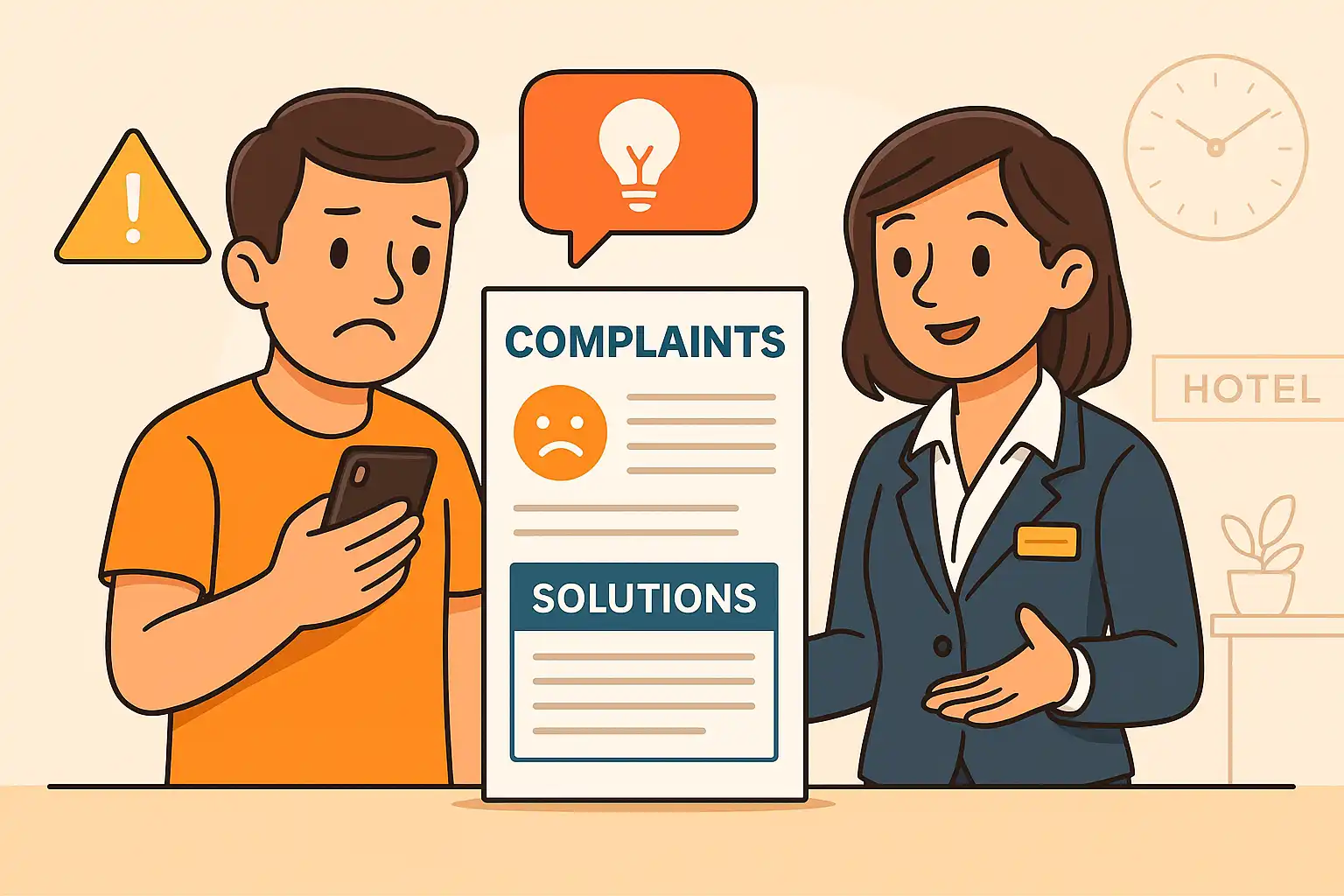
Hotel guest complaints are simply expressions of dissatisfaction with any part of the guest experience—from booking to checkout and everything in between. These can be small annoyances like slow Wi-Fi or bigger issues like safety concerns, but each complaint signals a gap between guest expectations and reality, which can damage your hotel’s reputation.

The ripple effect of unresolved complaints goes far beyond the immediate guest. Research shows that for every guest who speaks up, 26 others might be quietly unhappy. Ignoring hotel guest complaints only makes things worse—unhappy guests don’t just leave negative reviews; they share their bad experiences with friends, family, and social media, amplifying the damage.

The financial impact is significant. Hotels with poor online reputations often have to offer deeper discounts to attract bookings. In fact, 86% of consumers will skip deals from businesses with bad reviews. Plus, customer churn rises by 15% for every piece of feedback left unaddressed, making effective complaint management essential to protecting revenue.

Today’s guests expect their concerns to be heard and addressed quickly. While the industry average response time is around four days, many guests want to hear back within 24 hours. Hotels that meet this expectation stand out, improving guest satisfaction, encouraging repeat bookings, and boosting average daily rates.

The 15 Most Common Hotel Guest Complaints Every Hotelier Should Know

1. Poor Housekeeping and Cleanliness Issues

Nothing impacts guest satisfaction quite like cleanliness. Dirty rooms top the list of common hotel complaints because they affect health and comfort. Guests often report unclean bathrooms, hair in beds, leftover items from previous guests, uncollected cutlery, and missing or poorly restocked room amenities.

Immediate Solutions:

  • Offer to have the room re-cleaned immediately, preferably with the guest present to ensure standards are met
  • Provide a new room if available
  • Apologize sincerely, acknowledging the specific cleanliness issue
  • Consider offering compensation like room credits or complimentary services

Long-term fixes:

  • Put detailed cleaning protocols and checklists in place for every room area
  • Have housekeeping supervisors perform quality inspections before rooms are marked ready
  • Invest in training programs focused on cleanliness and attention to detail
  • Track cleaning performance by individual staff members to ensure accountability

Prevention strategies:

  • Use thorough cleaning checklists covering all surfaces, fixtures, and amenities
  • Require supervisors to double-check rooms before guest arrival
  • Schedule regular deep cleans for carpets, curtains, and upholstery
  • Conduct guest room inspections that simulate actual guest arrivals to catch issues early

2. Noise Complaints and Disturbances

Guests come to hotels to relax and recharge, so noise complaints strike at a core expectation. Common sources include noisy neighbors, street sounds, construction, and late-night activity in common areas. Since sleep disruption affects the entire stay, these complaints can escalate quickly.

Immediate Solutions:

  • Move guests to quieter rooms away from noise sources
  • Politely warn noisy guests, making clear the consequences of continued disturbances
  • Offer earplugs, white noise machines, or other noise-reducing amenities
  • Adjust room assignments proactively when noise issues arise

Long-term fixes:

  • Invest in soundproofing measures like door seals and noise-dampening curtains
  • Set and enforce clear quiet hours policies
  • Design room layouts to separate noisy areas from sleeping quarters
  • Add sound-absorbing materials in hallways and public spaces

Prevention strategies:

  • Inform guests about quiet hours and noise policies at check-in
  • Train staff to anticipate and address noise issues proactively
  • Monitor noise levels in common areas and control volume settings
  • Create designated quiet zones for business travelers and guests seeking peace

3. Wi-Fi Problems and Connectivity Issues

Reliable Wi-Fi has moved from a luxury to a must-have, making connectivity issues one of the most frequent complaints across hotels. Guests get frustrated by slow speeds, dropped connections, complicated logins, and poor coverage.

Immediate Solutions:

  • Provide mobile hotspots to guests struggling with connectivity
  • Offer dedicated bandwidth for VIPs or urgent business needs
  • Have tech support troubleshoot issues directly in rooms
  • Set up alternative workspaces with guaranteed high-speed internet

Long-term fixes:

  • Conduct property-wide Wi-Fi audits to find dead zones and capacity gaps
  • Upgrade your network infrastructure to handle more devices and bandwidth
  • Install redundant internet connections to avoid outages
  • Use enterprise-grade access points for better performance

Prevention strategies:

  • Clearly display Wi-Fi login instructions in rooms and common areas
  • Regularly test network performance from a guest’s perspective
  • Use easy-to-remember passwords
  • Prioritize guest bandwidth over back-office systems

4. Uncomfortable Beds and Room Comfort

A good night’s sleep is crucial, so complaints about uncomfortable beds hit hard. Issues include poor mattress quality, bed sizes that don’t match reservations, lack of pillows, or bedding that doesn’t regulate temperature well.

Immediate Solutions:

  • Offer extra pillows, blankets, or mattress toppers
  • Swap mattresses between rooms if possible
  • Provide room upgrades to accommodate bed size preferences
  • Supply alternative bedding materials for guests sensitive to temperature

Long-term fixes:

  • Invest in high-quality mattresses and bedding suited to various preferences
  • Ensure bed sizes are accurately described across booking channels
  • Replace mattresses regularly based on wear and guest feedback
  • Offer rooms with different bedding options to suit diverse needs

Prevention strategies:

  • Clearly specify bed configurations and sizes in room descriptions
  • Include bedding comfort details in pre-arrival communications
  • Regularly test bedding comfort and seek guest feedback
  • Train reservation staff to clarify bed preferences during booking

5. Room Temperature and Climate Control Problems

Nothing ruins a stay faster than a room that’s too hot, too cold, or stuffy. Complaints often involve broken air conditioning, heating issues, confusing thermostat controls, or poor ventilation.

Immediate Solutions:

  • Send maintenance staff promptly to fix HVAC problems
  • Provide clear instructions for climate control use
  • Offer room changes if problems can’t be fixed quickly
  • Supply portable fans or heaters as temporary fixes

Long-term fixes:

  • Upgrade HVAC systems for consistent temperature control
  • Install smart thermostats with easy controls and remote monitoring
  • Schedule regular preventive maintenance on all climate equipment
  • Design ventilation systems that maintain air quality quietly

Prevention strategies:

  • Pre-set room temperatures based on weather and guest preferences
  • Conduct HVAC checks before peak seasons
  • Train housekeeping to test climate controls during room prep
  • Have backup plans for climate failures, including alternate rooms

6. Check-in and Check-out Delays

Long lines and slow processes at check-in and check-out leave a lasting bad impression. These delays often stem from understaffing, inefficient procedures, or system glitches.

Immediate Solutions:

  • Add more front desk staff during busy times
  • Offer express check-out options to bypass lines
  • Provide comfortable seating and refreshments for waiting guests
  • Use mobile devices to process registrations away from the desk

Long-term fixes:

  • Implement digital check-in and check-out so guests can self-serve
  • Integrate property management systems with mobile apps for smooth registration
  • Design front desk layouts for optimal guest flow and staff efficiency
  • Cross-train staff to handle multiple roles during peak periods

Prevention strategies:

  • Clearly communicate check-in/out procedures before arrival
  • Train staff to anticipate busy times and prepare accordingly
  • Offer early check-in and late check-out to spread arrivals and departures
  • Monitor wait times and adjust staffing proactively

7. Poor Customer Service and Unfriendly Staff

Nothing damages a hotel’s reputation faster than rude or unhelpful staff. Complaints about dismissive attitudes or slow responses can overshadow even the best amenities.

Immediate Solutions:

  • Apologize sincerely for service failures
  • Involve management to show commitment to making things right
  • Provide coaching or retraining for staff involved
  • Offer compensation appropriate to the issue

Long-term fixes:

  • Deliver ongoing hospitality training emphasizing guest-first attitudes
  • Set clear service standards with regular performance reviews
  • Recognize and reward exceptional service
  • Hold staff accountable for service shortcomings

Prevention strategies:

  • Hire for attitude and personality, not just experience
  • Use guest feedback and service metrics in performance evaluations
  • Motivate staff with programs aligned to guest satisfaction goals
  • Foster a positive workplace culture that translates into great service

8. Maintenance Issues and Faulty Equipment

Broken air conditioning, leaking taps, malfunctioning doors, or faulty electronics disrupt guest comfort and signal neglect.

Immediate Solutions:

  • Respond quickly to maintenance requests with clear repair timelines
  • Offer alternative rooms if repairs will take time
  • Compensate guests for inconvenience caused
  • Keep guests informed about repair status

Long-term fixes:

  • Implement preventive maintenance schedules for all equipment
  • Plan equipment replacements before failures occur
  • Train maintenance staff to prioritize guest-impacting issues
  • Conduct quality control inspections to catch problems early

Prevention strategies:

  • Regularly inspect rooms from a guest’s perspective
  • Monitor equipment performance to predict failures
  • Keep spare parts on hand for common issues
  • Cross-train staff on basic maintenance tasks

9. Billing Errors and Hidden Fees

Unexpected charges or billing mistakes at checkout leave guests feeling cheated and frustrated.

Immediate Solutions:

  • Correct errors immediately and explain charges clearly
  • Waive disputed fees when appropriate
  • Process refunds promptly

Long-term fixes:

  • Make pricing transparent with all fees disclosed upfront
  • Use digital invoicing with detailed charge explanations
  • Train front desk staff on billing and fees
  • Verify bills carefully before guest departure

Prevention strategies:

  • Disclose all fees during booking and confirmation
  • Communicate costs of optional services clearly
  • Ensure booking confirmations match final bills
  • Train staff to proactively explain charges

10. Inaccurate Reservations and Booking Errors

Finding a reservation doesn’t match expectations—wrong room type, dates, or missing requests—is a major letdown.

Immediate Solutions:

  • Upgrade rooms if original booking isn’t available
  • Arrange nearby accommodations if oversold
  • Apologize sincerely and offer compensation
  • Verify reservations carefully to avoid repeats

Long-term fixes:

  • Use integrated property management systems to sync bookings
  • Confirm reservation details and requests before arrival
  • Create overbooking policies prioritizing guest accommodation
  • Train staff to double-check bookings

Prevention strategies:

  • Implement booking verification steps
  • Prevent double-booking with integrated systems
  • Communicate clearly between reservation and operations teams
  • Track booking accuracy and fix system issues promptly

11. Missing or Non-Functional Amenities

Guests expect advertised amenities to be available and working—broken gym equipment, closed pools, or missing supplies cause disappointment.

Immediate Solutions:

  • Offer alternative services or upgrades
  • Provide missing room amenities immediately
  • Communicate openly about temporary closures

Long-term fixes:

  • Audit amenities regularly
  • Manage inventory to prevent shortages
  • Prioritize maintenance of guest-facing features
  • Update marketing promptly when amenities change

Prevention strategies:

  • Ensure marketing accurately reflects amenity availability
  • Check amenities before guest arrival
  • Maintain adequate supplies
  • Inform guests proactively about limitations

12. Water Pressure and Temperature Problems

Low water pressure, fluctuating shower temperatures, or no hot water can ruin a stay.

Immediate Solutions:

  • Send maintenance to fix plumbing issues promptly
  • Offer alternative rooms if needed
  • Provide bottled water if quality is affected
  • Keep guests updated on repairs

Long-term fixes:

  • Install pressure-balancing valves
  • Upgrade plumbing systems
  • Manage water quality to prevent buildup
  • Maintain backup hot water systems

Prevention strategies:

  • Schedule regular plumbing maintenance
  • Monitor water quality continuously
  • Test water pressure and temperature routinely
  • Implement mineral buildup prevention

13. Parking Issues and Transportation Problems

Limited parking, unexpected fees, missed pickups, and shuttle delays add stress to guest arrivals and departures.

Immediate Solutions:

  • Arrange alternative parking nearby when full
  • Waive fees if not properly disclosed
  • Provide backup transportation promptly
  • Compensate guests for missed flights or appointments

Long-term fixes:

  • Set clear parking policies and fee structures
  • Use reliable transportation scheduling with backups
  • Optimize parking space management
  • Partner with nearby facilities for overflow

Prevention strategies:

  • Communicate parking availability and fees during booking
  • Provide detailed arrival info including transport options
  • Monitor parking demand and manage reservations
  • Have backup transport plans ready

14. Safety and Security Concerns

Safety issues are the most serious complaints, involving hazards, security breaches, poor lighting, or fire system failures.

Immediate Solutions:

  • Investigate and act on safety concerns immediately
  • Offer alternative accommodations if needed
  • Activate emergency protocols when necessary
  • Document incidents thoroughly

Long-term fixes:

  • Install comprehensive security systems
  • Upgrade fire detection and emergency lighting
  • Conduct regular safety audits
  • Train staff on emergency procedures

Prevention strategies:

  • Perform regular safety inspections
  • Train staff on threat recognition and response
  • Set clear safety protocols
  • Keep detailed incident records

15. Lack of Privacy and Housekeeping Intrusions

Guests expect privacy and feel violated when staff enter rooms without permission or ignore “Do Not Disturb” signs.

Immediate Solutions:

  • Apologize sincerely for privacy breaches
  • Retrain staff involved immediately
  • Assure guests of strict privacy enforcement
  • Offer compensation reflecting the violation’s severity

Long-term fixes:

  • Establish strict privacy policies with consequences
  • Train staff on guest privacy rights
  • Monitor compliance with privacy protocols
  • Use technology to track room access

Prevention strategies:

  • Train staff on privacy importance and procedures
  • Require guest permission before room entry except emergencies
  • Respect housekeeping schedules and guest preferences
  • Communicate privacy assurances clearly to guests

The 5-Step HEARD Method for Handling Guest Complaints

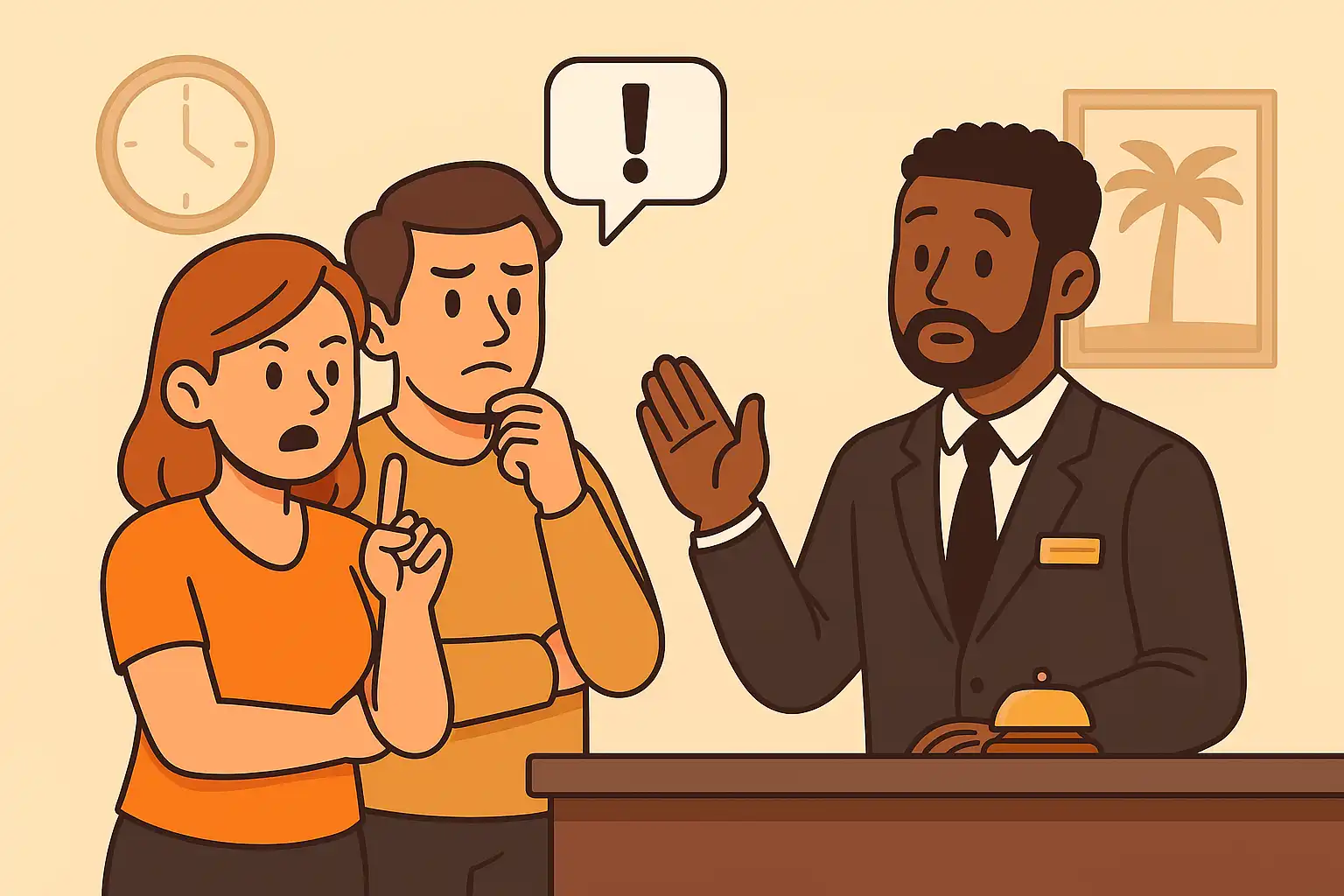
Handling hotel guest complaints effectively means responding consistently and professionally every time. The HEARD method helps turn negative experiences into opportunities for service recovery and loyalty.

H - Hear: Listen fully without interrupting. Show genuine attention with positive body language and take notes to demonstrate seriousness.

E - Empathize: Show you understand how the issue affected the guest personally. Use specific, heartfelt responses instead of generic sympathy.

A - Apologize: Own the problem with sincere apologies focused on the guest’s experience, regardless of fault.

R - Resolve: Act quickly with fair solutions that fit the complaint’s severity. Offer clear, immediate remedies.

D - Diagnose: Follow up to ensure the issue is fixed and identify root causes to prevent repeats. Document patterns for operational improvements.
Proactive Strategies to Prevent Hotel Guest Complaints

Preventing complaints is far more cost-effective than reacting to them. It means addressing root causes before guests feel dissatisfied. Success comes from aligning guest expectations, operational excellence, and continuous improvement.

Setting Clear Expectations

Make sure your marketing and website accurately describe your property so guests know what to expect. Be transparent about pricing and fees to avoid surprises. Send detailed pre-arrival information about amenities, policies, and procedures so guests are prepared.

Clear check-in and check-out instructions reduce confusion and wait times. Confirm room assignments, bed types, and special requests to avoid booking-related complaints. Explain hotel rules during check-in to prevent misunderstandings.

Staff Training and Empowerment

Train all staff thoroughly on service standards and guest expectations. Use role-play to prepare them for common hotel complaint scenarios. Teach problem-solving and service recovery skills.

Empower frontline staff with clear guidelines on compensation so they can resolve issues immediately without waiting for management. Regular feedback and strategies for improving hotel reviews help maintain high service quality.

Technology and Communication Tools

Use guest messaging systems to catch issues early by encouraging feedback before problems escalate. Mobile check-in/out reduces front desk congestion.

AI chatbots and voice assistants provide instant answers to common questions, preventing communication delays. Integrate property management systems to keep all departments informed and avoid service gaps.

Quality Control and Maintenance

Regularly inspect rooms and maintain equipment to prevent failures that cause complaints. Preventive maintenance keeps things running smoothly. Use checklists to ensure housekeeping meets cleanliness standards.

Monitor guest feedback to spot trends and recurring issues. Use data to target improvements where they matter most.

Why Responding to Hotel Guest Complaints is Crucial for Success

Handling common hotel guest complaints well turns unhappy guests into loyal ones and shows your commitment to service. Guests who experience excellent service recovery often become more loyal than those who never had a problem.

Responding to reviews also boosts your online reputation. Since 97% of travelers use review sites, public responses show prospective guests how you handle problems, influencing their booking decisions.

Effective complaint management protects revenue by preventing lost bookings and damaging word-of-mouth. It helps maintain your pricing power and sets you apart in a crowded market.

Empowered staff who can resolve issues feel more satisfied and stay longer, reducing turnover and improving overall service.

Creating a Systematic Approach to Guest Feedback Management

Successful complaint management requires processes to capture, analyze, and respond to feedback across all guest touchpoints. Collect feedback throughout the guest journey to catch problems early.

Use real-time tracking systems so no complaint is overlooked or delayed. Integrate data from reviews, surveys, direct messages, and social media for a full picture of guest satisfaction.

Analyze trends to find systemic issues needing operational fixes. Track complaint frequency, resolution times, guest satisfaction with responses, and recurrence rates to guide improvements.

Continuous improvement means addressing root causes, not just symptoms. Share feedback with staff to help them anticipate guest needs and prevent problems.

Integrate data across management and CRM systems to personalize service recovery. Knowing guest history and preferences enables thoughtful, informed responses.

The future of hospitality lies in exceeding guest expectations consistently while managing inevitable service hiccups. Hotels that excel in complaint prevention and service recovery will thrive, turning guest complaints into competitive advantages that drive long-term success.

The best hotels see every common hotel guest complaint as valuable feedback and a chance to prove their commitment to excellence. This mindset transforms complaint management from a necessary chore into a strategic asset that builds stronger guest relationships, protects revenue, and sets them apart in a demanding marketplace.

Frequently Asked Questions
What are the most common hotel guest complaints?
Frequent complaints include cleanliness issues, noise disturbances, poor Wi-Fi, maintenance problems, unfriendly staff, billing errors, slow service, lack of amenities, bad odors, uncomfortable beds, and overbooking situations.
Why do guests complain in hotels?
Complaints usually arise from unmet expectations, miscommunication, operational delays, service inconsistencies, or facility failures like broken fixtures, air-conditioning issues, or unavailable services.
How should hotels handle guest complaints effectively?
Best practices include listening actively, apologizing sincerely, offering clear solutions, taking ownership, responding quickly, documenting the issue, and following up to confirm satisfaction.
What is the best way to prevent common hotel complaints?
Proper maintenance checks, strong housekeeping standards, staff training, accurate website descriptions, realistic expectations, and proactive communication help prevent most complaints before they happen.
How can staff improve complaint resolution skills?
Training on empathy, communication, de-escalation, problem-solving, and service recovery techniques helps staff resolve issues professionally and confidently.