Hotel Booking Software: Streamline Your Property Management
 Mika Takahashi
Last updated Mar 5, 2026
Mika TakahashiCloud-based hotel booking software makes it easy to make reservations, keeps track of room availability in real time, and connects your property to many booking sites through seamless integration. A hotel reservation system is a complete solution that has functions like managing bookings, maximizing income, and the ability to connect with other systems. This central reservation system is the backbone of modern hospitality firms that want to get more direct bookings while reducing the amount of labor that needs to be done by hand.
This article talks about the most important features, ways to put them into action, and ways to make more money that are useful for hotels, resorts, vacation rentals, and serviced apartments. Enterprise-level platforms that enable centralized management and scalable reservation systems for multiple properties under a single management structure are good for hotel chains. We are only talking about booking engine capabilities, channel manager integration, and property management system connections. We will talk about bigger hotel marketing methods later. This material talks about the specific problems you face while trying to streamline operations and make the most money, whether you are an independent hotelier running a small hotel, a resort manager in charge of several operations, or a property manager in charge of many locations.
Hotel booking software is a centralized system that automates the entire reservation process, from the time a guest chooses dates on your hotel website to the time they pay and check in. It also makes sure that availability is the same across all online travel agencies and global distribution systems to avoid double bookings and encourage direct bookings. To make sure that workflows go smoothly, a hotel central reservations system CRS must operate well with the technologies already in place for managing operations.
You will learn the following by reading this guide:
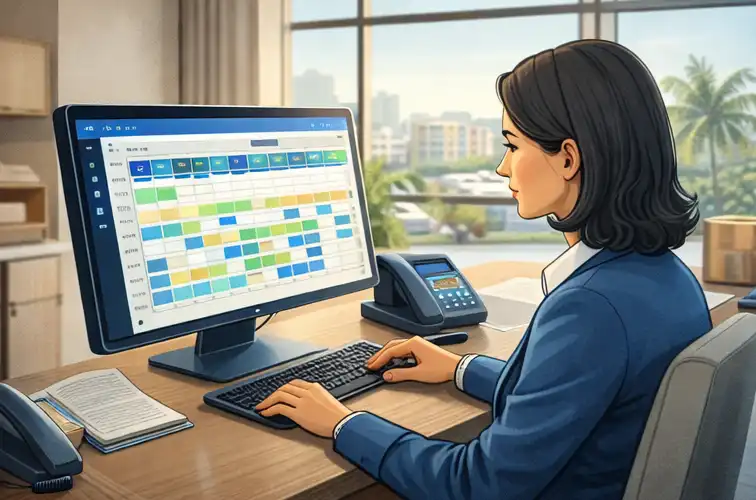
Hotel booking software is the digital nerve center of modern hospitality operations. It replaces a lot of separate manual processes with a single reservation system. Hotel booking software helps hotels handle reservations quickly and easily, whether they're made online or over the phone. This management software can do everything from showing real-time room availability to processing online payments and syncing data with your property management system. You can access it from any device that is connected to the internet. For hotel management to work well, data must be synced in real time.
The booking engine is your direct sales channel. It's built inside your hotel website so that you may take room reservations without having to go through a third party. Online booking engines are hotel reservation systems that combine with your property management system PMS to make it easy to book rooms online and manage availability and prices in real time. Real-time inventory management makes sure that visitors see the correct availability as soon as they search. It does this by pulling live data through two-way API interface with your hotel PMS software.
Dynamic pricing lets you automatically change rates based on demand, the time of year, and what your competitors are doing. This revenue management feature works with your pricing strategies to get the best rates. For example, it might raise prices when demand is high and offer clever discounts to fill rooms when demand is low.
Secure hotel payment processing is another important part, and it uses PCI-compliant payment gateways to encrypt transactions. Guests can book in only a few clicks on mobile-friendly interfaces, and they can choose to make a deposit, pre-authorization, or full payment. A booking system that is easy to use and works well on mobile devices encourages direct bookings and cuts down on commissions. This smooth experience for guests has a direct effect on conversion rates and guest engagement. Secure payment processing, automated guest communication, and reporting functions are some of the most important things that hotel booking software should have.
These parts are particularly important for operations. Together, they save people from abandoning their appointments because of outdated availability, stop double bookings by syncing instantly, and collect guest information and preferences so that service can be tailored to each guest.
A channel manager makes your property more visible by sending inventory to online travel companies like Booking.com, Expedia, and Airbnb, as well as Google hotel ads and global distribution systems. This multi-channel approach makes sure that your rooms show up wherever potential visitors look, which leads to more reservations without having to make changes by hand.
Keeping prices the same throughout different sales channels eliminates price conflicts that hurt brand confidence. When you modify rates in one system, the channel manager sends the adjustments to all of the associated platforms at the same time. This keeps things consistent and protects your direct booking pricing advantage.
The connection between your channel management and booking engine makes it possible to oversee your inventory from a single source of truth. This stops hotel double bookings across different booking platforms. When a guest books through any channel, availability is updated right away everywhere. This gets rid of the possibility of overbooking that came with older manual methods.
This integration base makes it possible for property management to link more deeply, with reservation data going straight to the front desk and cleaning coordination.
Are you having trouble giving your guests the great experiences that visitors expect these days? What really makes the hospitality industry run well is good hotel management. Hotel management is like the conductor of an orchestra. It's the job of the front desk, cleaning, maintenance, and guest services to all work together perfectly to provide your customers what they actually want: a smooth experience. A modern property management system (PMS) is the backbone of this coordination, bringing all your hotel operations together and giving you the power to easily oversee daily tasks, keep an eye on booking trends, and respond to guest preferences. This is what sets successful properties apart from the rest.
But this is when things get truly interesting for your business. Not only are you making desk administration and front desk operations easier with a strong management system, but you're also getting rid of those expensive double bookings that can ruin a terrific guest experience. How well can you increase direct bookings with integrated booking engines? That's not just about making more money (though it does that). It's about making guests happier by making the reservation process as easy as it is for people who book with firms like Amazon and Netflix. You can make data-driven decisions that boost your revenue and put you ahead of the competition when you have real-time information about occupancy and visitor behavior at your fingertips. If you use a good PMS, you'll find that it doesn't just run your hotel; it also gives your whole team the tools they need to provide the genuinely seamless guest experience that builds loyalty and lays the stage for your long-term success.
Hotel management software builds on these basic parts to add specialized features that change how departments work every day. Property managers can better compare whole solutions to their operational needs if they know what these features are.
When your reservation software connects directly to your hotel PMS software, managing the front desk becomes a lot easier. Guest information, payment details, and special requests move automatically from booking to check-in. This cuts down on the need for manual data entry and the mistakes that come with it.
Real-time reports on the status of rooms help with housekeeping management. When visitors check out, the technology automatically identifies rooms for cleaning. Once housekeeping says the rooms are ready, the front desk can allocate new guests without having to make phone calls or utilize paper lists. This desk's efficiency has a direct effect on how happy guests are because it cuts down on wait times.
The management system has built-in features for communicating with guests that may send automatic confirmation emails, messages before they arrive, and follow-ups after they leave. This guest engagement mechanism keeps in touch with guests throughout their stay, allowing staff to focus on more difficult demands that need personal attention.
AI-powered pricing suggestions look at booking patterns, market conditions, and past data to provide the best prices. These revenue management tools help both small hotels and big hotel chains compete better by responding to demand signals that a person might miss if they did the analysis by hand.
Upselling automation shows personalized offers during the booking process, such as spa packages, room upgrades, and late checkouts. This raises the average value of a booking. Package design lets you combine lodging with activities, making unique packages that justify higher prices and improve the guest experience.
Direct booking incentives can be the best way to make money. Online travel agencies take up to 30% of the money you make from each reservation, but if you book directly through your own booking engine, you keep that money. Features like homepage comparison widgets that show OTA costs next to direct rates (with savings highlighted) effectively move bookings to your more profitable direct channel, which helps you generate a lot more direct bookings.
Guests may book on their phones, which is where most of them do their browsing. Responsive design and contactless check-in choices meet the needs of today's travelers and help keep the lobby from getting too crowded during busy arrival periods. These features work together to make guests happier by making their stay easier.
Personalized offers based on guest preferences data turn one-time visitors into repeat guests. Integrating a loyalty program rewards direct reservations, and recording guests' preferences (such pillow types, room locations, and dining habits) lets staff know what they need before they arrive.
Multi-language support and currency conversion make it easier for people from all over the world to book with you, which reduces the chances of people leaving their bookings. User-friendly interfaces make the reservation process less confusing.
All of these aspects work together to improve operational efficiency, increase income, and make guests happier, but to get these benefits, careful planning is needed. The best hotel management software is easy to use and understand, so both staff and visitors can have a smooth experience.
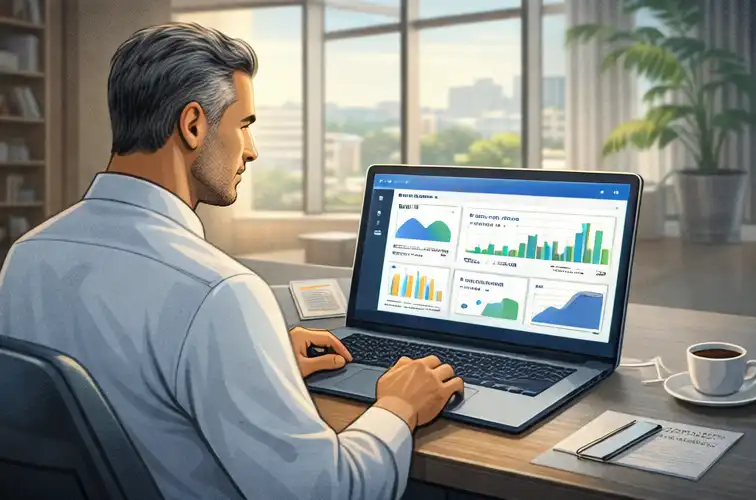
Do you want to know how to get the most out of group bookings and events at your hotel? Group reservations are like a golden key to making money on your property. Weddings, conferences, and corporate retreats can all change how many people stay at your hotel overnight. Your channel manager is like the director of this revenue orchestra. They handle group bookings across many platforms without any problems and make sure your room inventory is always up to current. No more problems with double-booking or missing out on possibilities! This consolidated method lets you confidently take on those big reservations that can make or break your monthly stats.
This is where your hotel management software really shines: it's like having a personal event planner work for your facility 24/7. Imagine this: a single, powerful platform that makes room assignments easy, catering coordinating simple, and event logistics management perfect. You're not just managing events; you're making experiences that impress both the group organizers and the people who attend. Think about how easy it is to check in, how well the rooms are assigned, and how quickly the staff responds to guests. Not only can mastering effective group booking management improve your guests' experiences, but it also increases your occupancy and revenue while helping you develop a reputation that sets you apart in today's competitive hospitality market.
For hotel management software to work well, you need to plan carefully based on the demands of your resort. The way you execute anything has a direct effect on how quickly your team can streamline processes and make money.
Write down your present problems, integration needs, and growth goals before looking at different booking software options. This assessment sets the standards by which you will evaluate.
| Phase | Basic Implementation | Comprehensive Deployment |
|---|---|---|
| Initial setup and configuration | 1-2 weeks | 3-4 weeks |
| Data migration and testing | 1 week | 2-3 weeks |
| Staff training | 2-3 days | 1-2 weeks |
| Channel connections | 1 week | 2-3 weeks |
| Full operational status | 3-4 weeks | 8-12 weeks |
Prostay and other cloud based hotel systems usually deploy faster than on-premise systems. With online access, training and support are available from anywhere. The flat fee price model that most modern hotel booking software uses also makes it easier to plan your budget than commission-based pricing models.
Knowing these timescales helps you set realistic goals and plan how to use your resources during the transition period.
Even when plans are properly thought out, things can still go wrong. By anticipating these problems, you may come up with proactive remedies that keep things moving toward more efficient operations.
People often resist new systems because they are not familiar with them, not because they are hard to use. Prostay solves this problem by offering thorough training sessions run by customer success teams who know how hospitality works.
Gradually rolling out new features keeps staff from having to deal with too many changes at once. Teams can increase their confidence step by step by starting with basic reservation features and then adding more advanced revenue management tools. A user-friendly interface design also makes it much easier to understand how to use.
The new reservation system needs to get historical booking data, guest profiles, and rate configurations in a safe way. To keep personalization options open and fulfill current reservations, guest information must be transferred correctly.
API links with existing hotel systems make sure that data moves smoothly between the booking engine, the property management system, and solutions from other companies. Prostay's ability to integrate with key accounting platforms, payment gateways, and operational systems makes it easier to connect with them without disrupting existing operations.
Managing rates across various channels is too complicated for human methods to handle. Automated rate synchronization keeps rates in sync so that guests don't become confused and OTA relationships don't suffer, all while keeping the company competitive.
Real-time updates on room inventory across all distribution channels lower the risk of overbooking. When a channel manager effectively syncs with your booking engine, every reservation, no matter where it comes from, automatically lowers the number of available rooms everywhere. This stops double bookings that hurt client pleasure and cost money to fix.
These solutions make it easier to switch and get the benefits of booking software faster.
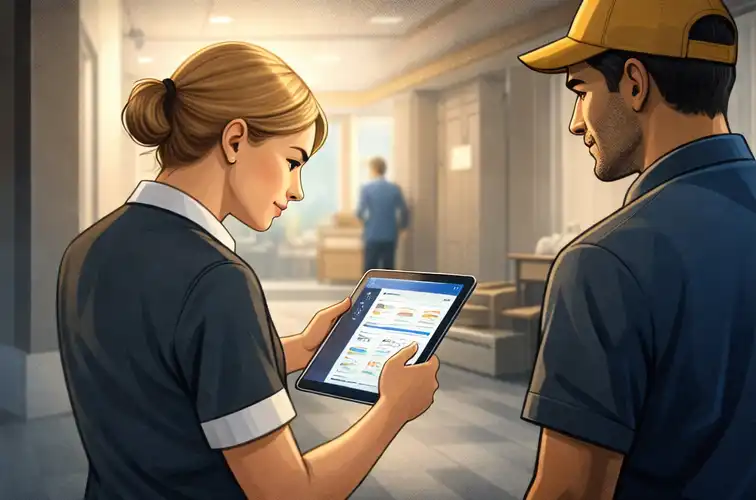
Are you worried that your investment in a hotel management system will end when it goes live? Your hotel management system is like a high-performance car; it takes more than just taking the keys and driving it off the lot. That's why the best hotel management software companies offer full support services that keep your business running smoothly, like a well-tuned engine. These services make sure your property keeps up to date with the current industry standards and performs better than ever. They include educating workers, fixing problems, and frequent software updates.
This is where things get interesting: a cloud-based PMS that you can access from anywhere puts you in charge. Imagine this: you can easily run your hotel operations from home or on a business trip, just like you would if you were there at the front desk. Regular software updates become your hidden weapon, including features like dynamic pricing and automated guest communication that help you remain ahead of market trends and go above and beyond what guests expect. By paying for continuous assistance, you're not only cutting down on downtime and mistakes, but you're also making sure that guests have a smooth experience that makes them want to book directly with you. Improving your management system all the time not only makes guests happier, but it also sets your property up for long-term success and offers you an edge over other hoteliers that makes them wonder what your secret is.
Hotel booking software changes how hotels work by automating reservations, keeping track of inventory across different channels, and getting more direct bookings that keep money that would have gone to OTA commissions. The right management system puts all front desk operations, housekeeping coordination, and revenue management into one system that can be accessed from anywhere.
Properties that use full-featured reservation software routinely see big jumps in direct bookings, less work for staff, and higher guest satisfaction rankings. As staff learn how to use the system and AI-powered features get better at making pricing recommendations and predicting demand, the efficiency gains keep getting bigger.
Immediate next steps:
Related topics to explore: property management system selection for full operational integration, channel management strategies for maximizing visibility across online travel agencies, and AI-powered hospitality automation for scaling personalized guest experiences.