FOC Meaning: Free of Charge Services in Hotels and Restaurants
 Mika Takahashi
Last updated Feb 12, 2026
Mika TakahashiIn the hotel industry, FOC means "Free of Charge," which means that customers can have goods, services, or facilities without having to pay for them. This acronym is now used in hotels, restaurants, and vacation rentals all over the world. It is both a business phrase and a way to run a business.
This guide talks about how to use FOC in hotels and restaurants, how to make policies, and how to do things right when putting them into action such as for example how to charge free or when to apply a charge foc. The material is meant for hotel managers, restaurant owners, and other people who work in the hospitality industry who want to create FOC strategies that keep guests happy while yet being financially responsible. To run a modern hospitality business, you need to know what FOC is and how to use it, whether you're dealing with service recovery scenarios or creating loyalty programs.
FOC stands for "Free of Charge." This signifies that guests get services, facilities, or lodgings for free as part of a planned hospitality strategy rather than as a spontaneous gift.
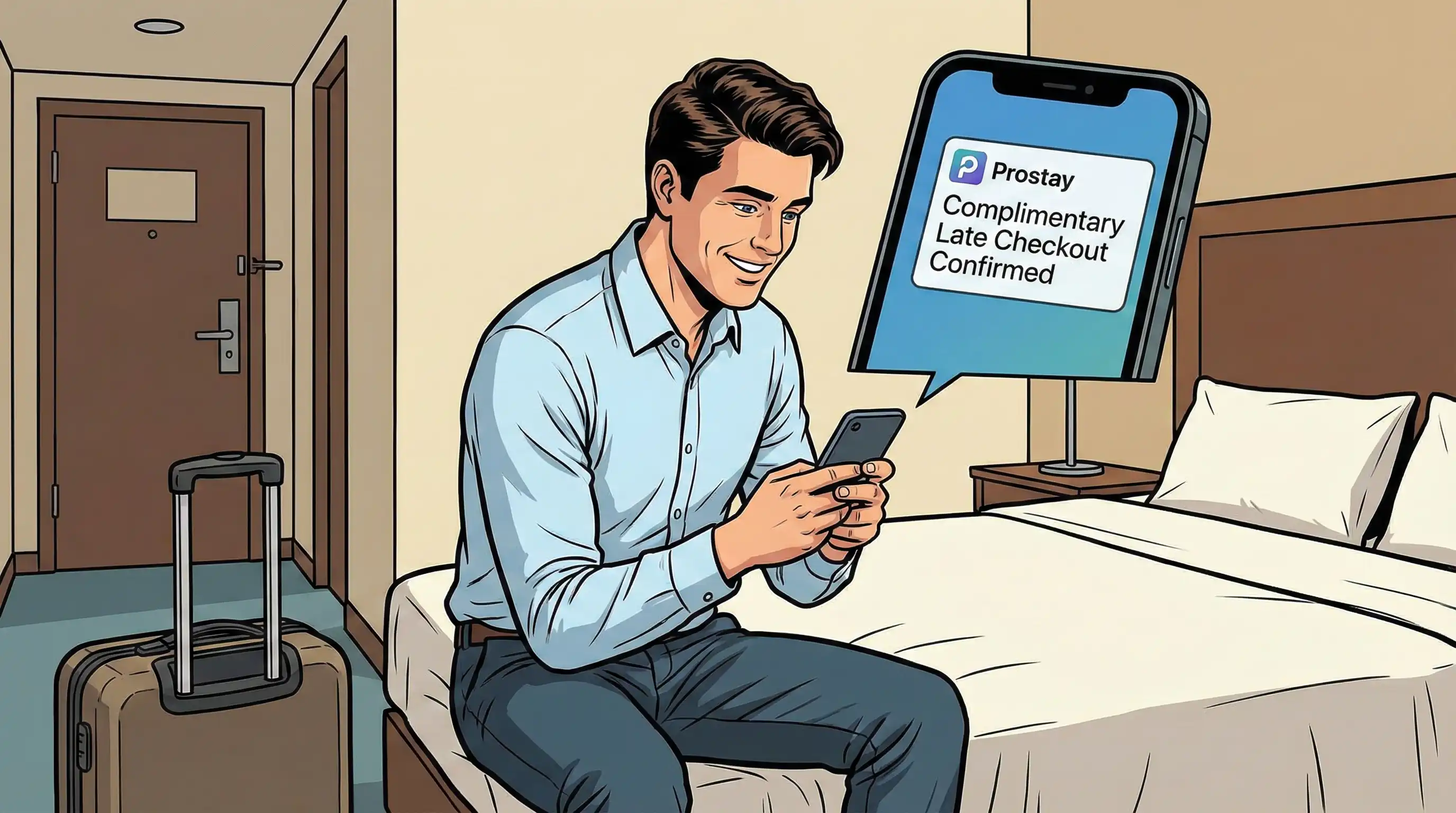
In the hospitality business, FOC meaning is giving some guests free services, privileges, or lodgings on purpose in some cases. Hotel free of charge is not like other pricing strategies because it doesn't charge for each service. The property pays for the service directly and wants to obtain something in return, like loyalty, a better reputation, or money from extra services.
This is not the same as complimentary things that come with the base fee, such free Wi-Fi or breakfast in all-inclusive hotels. True FOC meaning is not a blanket offer; it's a targeted tool that enables individuals select whether or not to pay fees that would normally apply.
Hotels offer different complimentary services based on the needs of its guests and the resources of the property:
Room-related FOC: Suite upgrades when ordinary rooms have problems, late check-out extensions, early check-in accommodations, and room category improvements for loyalty program members.
FOC depending on amenities: free breakfast for service recuperation, free parking for long stays, spa credits for VIP visitors, and minibar allowances for special events.
Experience FOC: Non-club guests can make free dinner reservations, take part in free activities or tours, and use executive lounges.
These services are closely related to how happy guests are. Research shows that using FOC strategically can raise satisfaction scores by 25–30%, especially when used to fix a service problem.
The basic ideas behind Restaurant FOC rules are the same, although they are used in different ways that work for dining operations:
Appetizers and desserts are frequent free of charge items that can be used to fix problems or create relationships. A free appetizer after a long wait or a free dessert for customers celebrating costs the restaurant very little but makes a big impression.
Upgrading drinks or replacing meals can fix mistakes in preparation or quality issues, converting bad reviews into chances to enhance customer loyalty.
Free of charge cake or champagne to celebrate birthdays, anniversaries, and other special occasions encourages people to come back and tell their friends about it.
According to the National Restaurant Association, these kinds of gestures make clients feel like they owe you something, which makes them order more or tip better.
Understanding these apps is the first step toward using free of charge strategically instead than haphazardly.
When used with specific goals, "free of charge" can be a smart hotel business investment. Properties that see charge-free services as strategic tools instead of random gestures of kindness always do better than those that use ad-hoc methods.
When a service fails, it needs to be fixed right away, and free of charge is one of the best ways to do this:
Room-related issues: When visitors have difficulties with maintenance, noise, or amenities, giving them a free night, an upgrade to a suite, or a credit for meals shows that you care. Studies from Cornell Hospitality Quarterly show that using free of charge based rehabilitation can raise satisfaction scores by up to 30% more than just saying sorry.
Dining problems: FOC should respond right away to wrong orders, long wait periods, or problems with the quality of the cuisine. Depending on how serious the problem is, they may offer free replacement items or even a whole meal.
Booking errors: Free of charge offers that are made before an overbooking issue will help. Moving customers to partner properties with extra perks (such complimentary meals, transportation, or credits for future stays) turns potential disasters into chances to build loyalty.
The idea is to respond in a way that is proportional, matching the FOC value to the level of inconvenience without going overboard, which might seem fake or set expectations for future problems.
When strategically placed, free of charge helps meet sales goals:
Occupancy optimization: During times of low demand (usually when occupancy dips below 60%), offering complimentary room upgrades or amenity packages fills rooms that would otherwise be empty. These customers then make money by buying things like minibar items, eating at the restaurant, or using the spa, which usually have profit margins of 20% to 40%.
Extended stay incentives: "Third night free" deals get people to schedule longer stays, which fills in gaps and boosts total revenue.
Premium service introduction: Guests who get free access to club lounges or spa facilities are more likely to try premium services they might not have otherwise, with 30–40% of first-time users paying for them.
FOC meaning integration with marketing creates multiplier effects:
Loyalty program rewards: Major chains like Hilton and Marriott use FOC (suite upgrades, late checkout, free breakfast) as tier benefits. Data shows Diamond/Platinum members receiving regular FOC benefits demonstrate 28% higher retention rates.
Influencer and media programs: Offering free stays or meals to content creators with significant followings generates earned media value typically 5-10 times the comp cost. A single influencer stay costing $500 can generate content reaching millions of potential guests.
Travel trade relationships: FOC familiarization trips (fam trips) for travel agents and tour operators build partnerships that can fill 20-30% of leisure bookings in resort markets.
These applications demonstrate why a hotel free of charge requires policy structures ensuring strategic deployment.
To put the hotel FOC strategy into action every day, you need clear policies that provide staff more power while keeping margins safe. Properties with clear rules have 40% fewer unlawful comps than those with less formal rules.
Every property needs to have a written hotel FOC policy that talks about its scope, boundaries, and processes. Do this:
Clear authorization mechanisms stop people from using too much or missing out on chances. Every employee should know what their hotel FOC authority is without needing to get permission from their boss for everyday situations:
| Staff Level | FOC Authority | Monetary Limit | Approval Required |
|---|---|---|---|
| Front Desk Agent | Amenity comps, minor upgrades | Up to $50 | Self-authorize with documentation |
| Front Desk Supervisor | Room upgrades, meal credits | Up to $100 | Self-authorize with documentation |
| Department Head | Suite upgrades, multiple meal comps | Up to $500 | Self-authorize, GM notification |
| General Manager | Any FOC type | Unlimited | Self-authorize, ownership notification for >$1,000 |
| Corporate/Ownership | Policy exceptions | N/A | As defined by company guidelines |
Decision criteria should guide staff beyond monetary limits:
This matrix gives frontline workers the power to act right away while still keeping an eye on big decisions.
Even well-planned hotel FOC run into problems when they are put into action. Taking care of these things ahead of time stops margin erosion and inconsistency.
Hotel FOC costs go over desired percentages, especially when there are a lot of complaints or when personnel don't follow the rules closely.
Set up real-time hotel FOC dashboards that department bosses can see that display total costs against monthly limits. When any department crosses 75% of its monthly budget, it must get approval from higher-ups. Every month, compare FOC spending to increases in satisfaction scores and repeat booking rates. If the ROI indicators don't justify the spending, change the criteria for permission. Many properties that use digital approval systems (via PMS integration) cut down on unlawful comps by 40%.
Different staff members use free of charge in different ways, which confuses guests and makes them feel like they are not being treated fairly.
Make scenario-based training modules with real-life examples, like "A guest complains about noise, offer these specific options." During meetings before a shift, act out situations that happen a lot. Make free of charge decision trees available at workstations. Most essential, share success stories about how free of charge made things better. This will help staff realize why policies are in place. Before giving someone authorization privileges, they must pass a certification test on hotel FOC processes.
Some guests anticipate or want something free of charge without a good reason, while others blow small problems out of proportion to get the most money.
Teach your employees to listen to complaints with empathy and respond in a way that is appropriate. Keep track on guests' past FOC requests and use CRM technologies to let staff know about patterns that could mean abuse. Set "maximum FOC per guest per year" limits for non-VIP tiers. Most importantly, make sure your staff knows they may say no to improper requests and suggest fair alternatives. For example, "I can't pay for your whole stay, but I can give you free drinks and dessert tonight."
By dealing with these problems, free of charge can stay a strategic tool instead of an uncontrolled cost center.
FOC, which stands for "Free of Charge," is one of the most useful tools in the hospitality industry when used wisely. FOC programs do more than just cover costs. They also create visitor loyalty, improve your internet rating, fix service problems, and make money in other ways. Structured policies, clear authorization frameworks, and consistent tracking are what make certain properties benefit from FOC while others just lose money.
Implement these steps to optimize your FOC strategy:
Revenue management optimization tactics, guest experience measurement systems, and staff training program development are all related areas that are worth looking into because they all have a direct impact on FOC effectiveness.
Section 1: Policy Objectives
Section 2: FOC Service Categories
| Severity Level | Examples | Default Compensation (choose 1) | Max Without Manager | When to Escalate |
|---|---|---|---|---|
| Level 1 (Minor) | Small delay, minor housekeeping miss, brief noise | Amenity comp $15–$50 OR Meal credit $25–$50 | $50 | Repeat complaint or VIP |
| Level 2 (Moderate) | AC issue resolved same day, Wi-Fi outage, moderate disruption | Meal credit $50–$100 OR Amenity comp $50–$150 | $150 | If guest asks for refund |
| Level 3 (Major) | Room change required, major cleanliness issue, repeated service failure | Room upgrade $100–$300/night OR Stay credit $200–$400 | $300 | Peak dates, suite upgrades |
| Level 4 (Critical) | Safety issue, severe failure, unusable room time | Partial refund + Upgrade + Stay credit (case-by-case) | $0 (must approve) | Always |
Section 3: Authorization Matrix [Insert matrix from Section 4 above, customized to your property]
Section 4: Documentation Requirements
Maintain spreadsheet or PMS reports including:
Calculate every month: (Total FOC Value / Total Revenue) x 100. If you go close to the 2% barrier, let us know right away.
These templates give you a starting point. You can change them to fit your property type, visitor mix, and strategic goals.