Unlocking the Future: Contactless Check-In for Modern Hotels
 Mika Takahashi
Last updated Oct 13, 2025
Mika TakahashiThe hospitality world is at a turning point where guest expectations meet operational efficiency, all thanks to one game-changing technology: contactless check in. Today, over 71% of travelers prefer hotels that offer self-service contactless options—especially Gen Z and Millennials travelers. So, the real question isn’t if you should adopt this technology, but how quickly you can roll it out successfully.
Guests now expect smooth, tech-driven experiences that match the convenience they enjoy in other parts of their lives. While the pandemic sped up this trend, the desire for efficiency, control, and personalized service has made contactless check in a permanent fixture in the hotel industry.
This guide covers everything you need to know about bringing contactless check in to your property—from the basics of the technology to measuring your return on investment and preparing for what’s next. Whether you run a cozy boutique or a large hotel chain, these insights and practical tips will help you elevate your guest experience and streamline your operations.
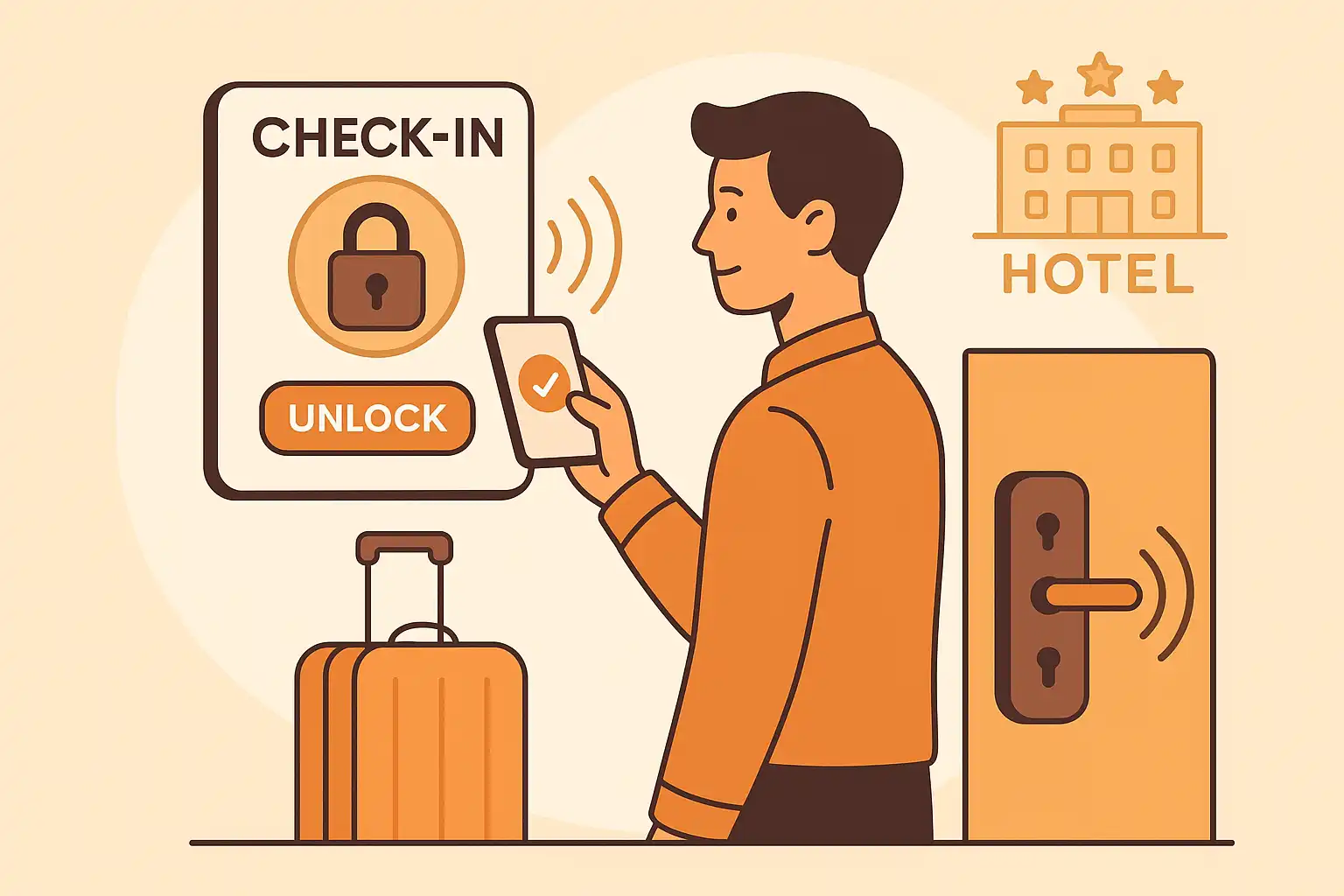
Contactless check in lets hotel guests complete their arrival process digitally, using smartphones or self service kiosks, without needing to interact face-to-face with front desk staff. Through this digital check in process, guests can upload their ID, handle payments, receive digital room keys, and get into their rooms—all from their mobile devices or web browsers.
The technology ties directly into your property management system (PMS), automating room assignments, payment authorization, and key delivery. When guests arrive, they can skip the usual front desk lines and go straight to their rooms using digital keys or codes sent right to their phones.
Here’s a quick look at how contactless check in typically works:
With more than 71% of travelers now preferring hotels that offer self-service contactless options—especially younger guests who grew up with smartphones—this isn’t just about convenience. It’s a fundamental shift in how guests want to interact with hotels.
The entire check in process can take less than two minutes, compared to the traditional 8-15 minutes at the front desk. This saves time for guests eager to settle in and helps hotels manage busy check-in periods smoothly.
Thanks to seamless property management system integration, contactless check in doesn’t work alone. It syncs in real-time with your hotel operations, so housekeeping, maintenance, and guest services teams are instantly notified when guests arrive and can deliver proactive service.
Contactless check in offers more than just convenience—it brings real operational and financial benefits that impact your hotel’s bottom line.
Say goodbye to long front desk wait times! Contactless check in can reduce these waits by up to 75%, cutting check in time to under two minutes per guest. What used to be a bottleneck becomes a smooth, automated experience. Manual tasks like data entry, key programming, and paperwork are replaced by streamlined digital workflows.
Hotels also report better management of lobby congestion. During peak times, guests can check in from their cars, airport lounges, or nearby cafes, avoiding the usual 3 PM rush that overwhelms front desk teams.
Digital forms reduce human errors by guiding guests through required fields and validating information in real-time. This integration with PMS ensures guest data is accurate and up to date.
Switching to digital keys can save hotels $1,200 to $3,500 per door annually by cutting out costs for physical hotel key cards, which often get lost, damaged, or demagnetized.
Automated processes reduce operational costs by 10-20% by minimizing paperwork and freeing front desk staff to focus on more valuable guest interactions, like delighting guests and handling special requests.
Going paperless also saves money on printing and supplies, contributing to your hotel’s sustainability goals. Some hotels report saving hundreds to thousands of dollars annually just by ditching paper registration cards.
Studies from 2024 show guest satisfaction scores can jump 15-25% after adopting contactless check in. Guests appreciate the speed, convenience, and modern feel of the experience.
Offering 24/7 check in also appeals to business travelers, international guests dealing with jet lag, and anyone arriving outside traditional hours—without extra staffing costs.
Importantly, the personal touch isn’t lost. With routine admin tasks automated, hotel staff have more time to focus on creating memorable experiences and personalized service that boost loyalty and positive reviews.
Hotels using digital check in see upsell revenue increase by 70% compared to traditional front desk upsells. Automated systems can offer targeted upgrades based on availability, guest history, and preferences at just the right moment during the check in flow.
Early check-in and late checkout options presented digitally can increase ancillary revenue by 19%, letting guests pay for convenience without needing to call or visit the front desk.
Personalized room upgrade offers with photos, amenity details, and clear pricing let guests make informed choices without pressure, improving acceptance rates.
Integrating check in with hotel loyalty programs enables targeted promotions that enhance guest experience and boost revenue from spa services, dining, and local experiences.
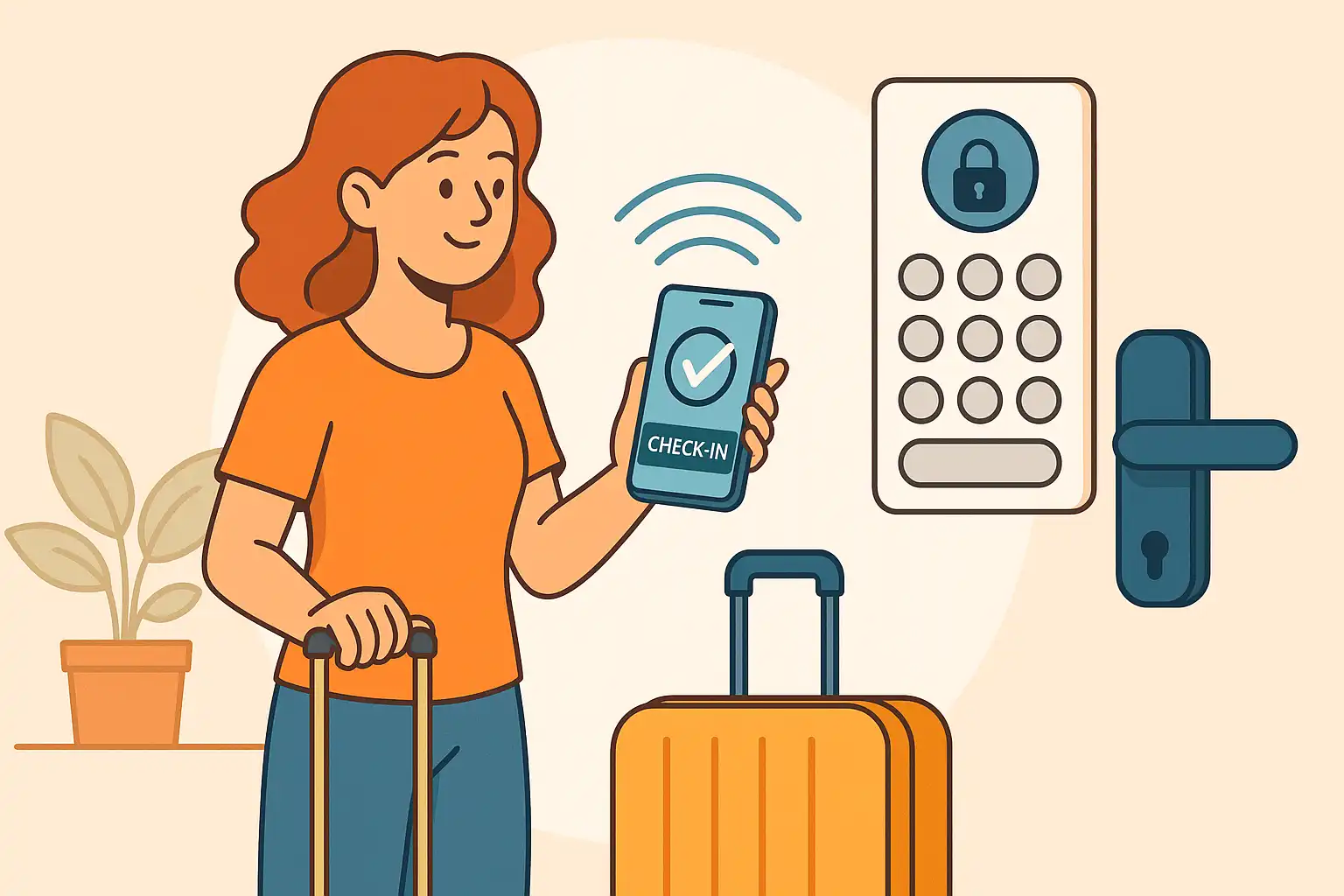
The market for contactless check in software has grown and matured, offering robust platforms tailored to different hotel types and needs. Choosing the right partner means carefully evaluating integration capabilities, security, and scalability.
Canary Contactless Check-In leads with a perfect 100 HT Score and is trusted by over 25,000 hoteliers worldwide. They specialize in smooth PMS integration and advanced fraud protection to keep guest data and operations secure.
Duve offers comprehensive online check-in with broad PMS compatibility, great for hotels of all sizes. Their platform focuses on user experience and supports multiple languages for international guests.
ALICE blends mobile check in with guest messaging and concierge services, ideal for upscale properties wanting to combine personalization with digital efficiency.
When picking a contactless check in solution, look for platforms that integrate seamlessly with your property management system. Poor integration can delay deployment and disrupt operations.
Fraud protection is crucial, especially for hotels with international guests or high transaction volumes. Features like document authentication and biometric verification keep everyone safe.
Mobile key options vary, so check if the solution supports your existing door locks or requires hardware upgrades. The best platforms offer multiple keyless entry methods—apps, SMS codes, and digital wallets.
Customization matters too. Leading solutions let you keep your brand’s look and feel throughout the digital check in process for a seamless contactless guest experience.
And remember, guests have different preferences: some like mobile apps, others prefer web browsers or self service kiosks as backups. Your solution should accommodate all.
Rolling out contactless check in takes planning and coordination, but with the right approach, you can minimize disruption and maximize benefits.
Start by auditing your current tech stack and PMS integration needs. Map out your existing check in workflows, peak times, and guest service requests.
Check your door lock systems for digital key compatibility. Older mechanical locks may need upgrades, while newer electronic locks often integrate easily.
Understand your guest demographics and comfort with technology through data and surveys to tailor your rollout and training.
Review payment processing and PCI compliance to ensure secure digital transactions.
Decide between off-the-shelf solutions or custom development based on your size, budget, and tech needs. Smaller hotels often benefit from established platforms; larger chains may need custom integrations.
Set up secure ID verification and PCI-compliant payment modules that balance security with user-friendliness. Configure fraud detection based on your typical guests and locations.
Design a branded, mobile-friendly guest interface that completes check in in under two minutes. Test across devices and screen sizes.
Connect your PMS for real-time data sync so housekeeping and guest services get instant updates.
Train your front desk team on new workflows and troubleshooting. Even with automation, staff should assist guests and handle exceptions.
Develop backup procedures for guests preferring in-person check in or facing tech issues.
Pilot test with VIPs or loyalty members to gather feedback and refine processes.
Prepare guest communications—emails, texts, signage—to guide them through new check in options.
Ensure real-time PMS integration for accurate room availability and guest data.
Choose mobile-optimized designs that work on all major devices without app downloads.
Include secure document uploads for ID and signatures with fraud prevention.
Integrate with smart locks or mobile key providers for true keyless entry.
Maintain GDPR and PCI DSS compliance with regular security audits.
The hotel industry’s digital transformation is accelerating. Contactless check in has moved from a nice-to-have to a must-have.
As of 2024, 73% of travelers prefer hotels with self service tech, with younger guests leading the way.
Big chains like Marriott, Hilton, and Hyatt have rolled out mobile check in across most properties, setting guest expectations industry-wide.
Independent hotels are catching up fast, recognizing contactless check in as essential infrastructure.
Many chains integrate contactless check in with loyalty programs and guest messaging for a seamless guest journey.
Vacation rental platforms like Airbnb have reset guest expectations for keyless, app-based access.
Even as health restrictions ease, guests still value contactless options for hygiene, efficiency, and personal preference.
Business travelers especially appreciate contactless check in for flexible arrivals.
Multilingual platforms are increasingly important for hotels serving global guests.
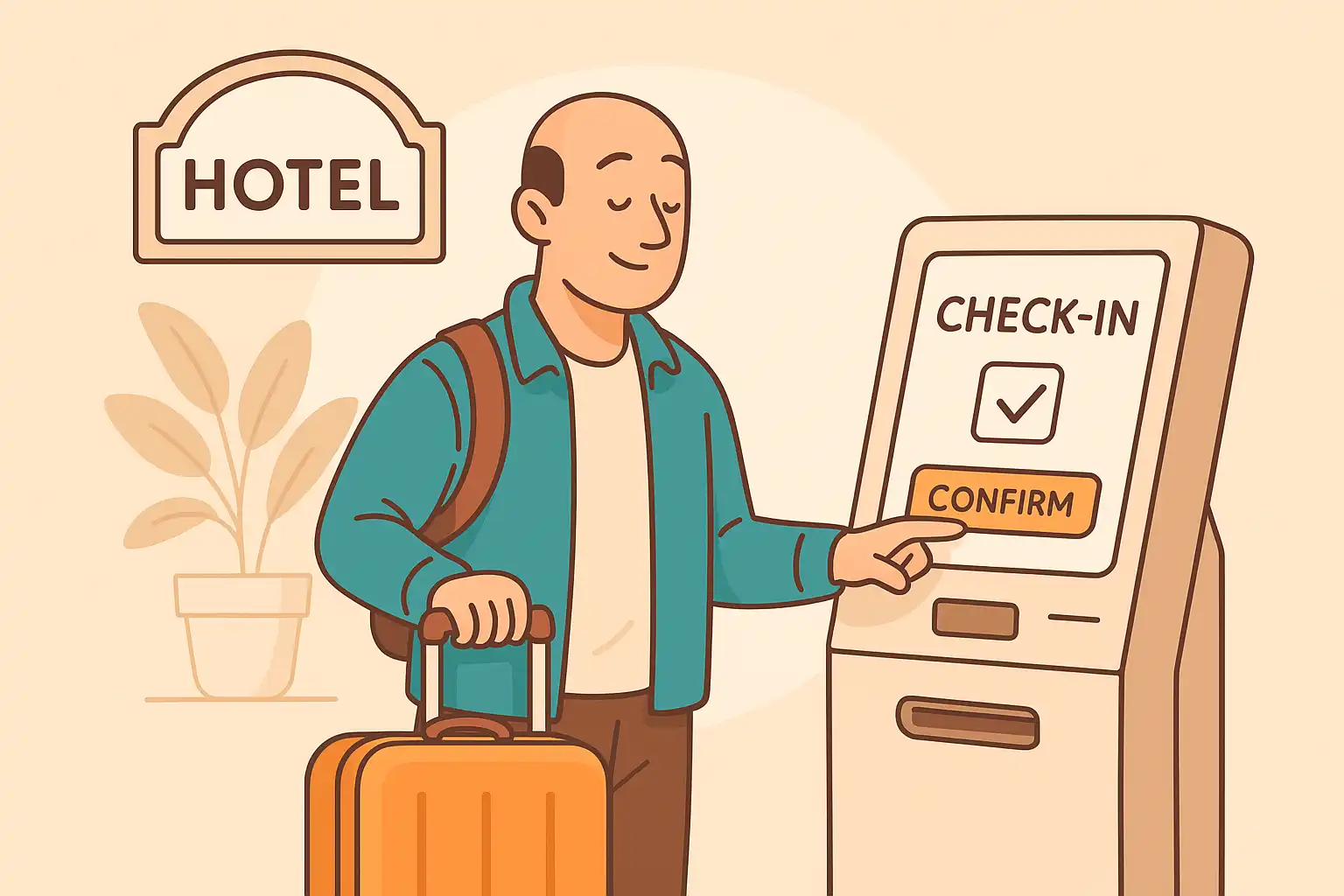
Success requires tackling some common hurdles head-on.
Resistance usually comes from unfamiliarity, not opposition. Start with tech-savvy guests and loyalty members to build momentum.
Keep traditional check in options for older guests and offer staff assistance to ease transitions.
Communicate benefits clearly through emails, signage, and staff support.
Offer incentives like loyalty points or upgrades to encourage adoption.
Address fears about job loss by emphasizing new roles focused on guest experience and problem solving.
Train staff on tech and soft skills to assist all guests confidently.
Gather regular feedback to improve the system and support.
Use middleware to connect legacy PMS with modern platforms if needed.
Upgrade network infrastructure to handle increased mobile usage.
Have backup plans for outages and tech glitches.
Plan for ongoing maintenance and security updates.
Setup costs vary, but most properties see hotel ROI within 12-18 months through savings and revenue gains.
Phased rollouts spread costs and show early wins.
Consider the cost of falling behind competitors when evaluating investments.
Protecting guest data and payments is critical.
Use end-to-end encryption for all guest data.
Add multi-factor authentication like biometrics for secure ID verification.
Ensure compliance with GDPR and local regulations.
Conduct regular security audits and penetration testing.
Meet PCI DSS Level 1 standards for card data.
Use tokenization to protect payment info.
Monitor transactions with fraud detection systems.
Integrate smoothly with existing payment gateways.
Train staff on privacy and security best practices.
Have clear procedures for data breaches.
Keep security awareness current to counter phishing and social engineering.
Limit data access based on roles.
Contactless check in is evolving fast, promising even smarter, more personalized guest experiences.
AI will personalize room assignments and guest recognition.
Predictive analytics will help staff proactively address guest needs.
Chatbots will handle guest questions during check in.
Upselling algorithms will offer relevant upgrades without being pushy.
IoT devices will customize room settings automatically.
Connected systems will streamline guest services.
Voice-activated check in will offer hands-free options.
Smart mirrors will display personalized info and offers.
Biometrics will replace traditional ID uploads.
Blockchain may enable secure, cross-property guest identities.
Behavioral analytics will detect fraud patterns.
Zero-trust security will verify every interaction.
The future of contactless check in is a seamless, secure, and highly personalized guest journey from start to finish. Hotels investing now will lead the way in guest satisfaction and operational excellence.
Embracing contactless check in today means staying ahead of guest expectations and setting your hotel up for long-term success. The question isn’t if you’ll adopt this technology—it’s how soon you’ll start reaping the benefits for your guests and your business.