Artificial Intelligence Hospitality: 2026 Hotel AI Guide
 Mika Takahashi
Last updated Mar 2, 2026
Mika TakahashiArtificial intelligence hospitality is changing the way the hospitality sector works, how it interacts with guests, and how it makes money. AI-powered solutions are becoming necessary for competitive hotel operations. For example, AI chatbots can answer client questions at 3 AM, and predictive analytics can adjust room costs in real time. This tutorial looks at how hotels and restaurants may use AI technologies in a smart way to make guests' stays better and make their operations run more smoothly.
This all-in-one guide talks about useful AI tools, how to use them, demonstrable benefits, and frequent problems that the hospitality industry faces. We only look at hotel operations and lodging businesses; general AI theory and applications that aren't in the hospitality industry are not what we do. This guide gives you the structure you need, whether you're a hotel manager looking at your first hotel AI chatbots or a hospitality professional wanting to use hotel AI across the board.
Artificial intelligence in hospitality means using technological systems that automate tasks, tailor services to each visitor, and improve revenue management by using machine learning algorithms to look at past data, guest preferences, and market trends to make smart choices.
You will have done the following by the end of this guide:

Artificial intelligence in hospitality includes machine learning techniques, natural language processing, and predictive analytics that are meant to improve hotel operations and service quality. Traditional hotel technology follows set rules, whereas hospitality AI learns from trends in guest data, booking histories, and operational KPIs to get better at what it does and give each guest a unique experience.
Machine learning is the main part of predictive AI applications in hotels. It looks at past booking data and visitor behavior to estimate demand, find out what each guest likes, and suggest personalized deals. These technologies look at thousands of pieces of data, like previous stays and dining selections, to provide us more information that helps us make decisions about room service menus and pricing tactics.
Natural language processing lets virtual assistants and hotel AI chatbots talk to guests and address their needs. Systems like Ask Sophia let people talk to each other in many languages 24/7 across WhatsApp, email, and voice. They learn from each encounter to give answers that make sense in the context and get better at helping guests over time.
Computer vision makes it possible to recognize faces, which speeds up check-in and improves security monitoring. AI systems at hotels look at surveillance footage to find problems, and recognition technology lets returning visitors skip the usual registration process. This is especially useful for international customers who want to arrive without any problems.
Machine learning finds patterns, natural language processing lets people talk to each other, and computer vision gives you real-time knowledge of your surroundings. These three basic hotel AI technologies work together. They work together to build AI-powered systems that can anticipate and meet the demands of guests before they even ask.
Traditional hotel management systems use fixed rules, like "if room occupancy goes over 80%, raise rates by 10%." AI systems, on the other hand, look at real-time data like competitor prices, local events, weather forecasts, and past trends to make smart choices that make both customers happy and the company money.
The main difference is that AI can learn and change. When booking patterns change, a traditional property management system needs to be updated by hand. Hospitality AI software automatically finds these changes and makes changes to housekeeping schedules, staffing numbers, and pricing tactics without any help from people. This ability to adapt is why experts think that spending on hospitality AI will expand by 60% every year until 2033.
Knowing these basic technologies helps us look at specific hospitality AI applications that have clear benefits for guest experience, revenue management, and daily operations.
Hospitality industry uses AI in three main areas: improving guest pleasure, maximizing income, and streamlining operations. These areas are built on top of these basic technologies. Each application area has its own advantages, but when used together, they can work better.
AI-powered personalization engines look at guest data, like past stays, stated preferences, and behavioral trends, to provide recommendations that feel natural instead of mechanical. Marriott Bonvoy uses AI-powered natural language search to find luxury home rentals that fit travelers' needs among 140,000 options. Duve, on the other hand, uses preference data from over 1,000 brands in 60 countries to power recommendation engines for travel packages and amenities.
AI chatbots and hotel virtual assistants can help with everyday chores that used to need front desk staff 24/7. According to research, 70% of guests found chatbots helpful for things like getting Wi-Fi passwords, wake-up calls, and information about local attractions. The Hilton's Connie robot concierge, which runs on IBM Watson, shows how conversational AI can answer questions about amenities, dining options, and reservations while making staff's jobs easier.
Smart room technology uses IoT sensors and AI technologies to make rooms that automatically change to fit the needs of each guest. When guests arrive, smart rooms may customize the lighting, temperature, and entertainment selections based on their profiles. This turns a regular hotel room into a personalized service experience. These AI tools learn from each stay and improve preferences to make guests' experiences better when they come back.
Voice assistants let you control room service requests, information queries, and environmental settings without using your hands. This is especially helpful for visitors who have trouble getting around or who just want to make things easier after a long day of travel.
Dynamic pricing methods are one of the most important uses of AI in the hospitality business. Hotel AI systems look at things like occupancy rates, seasonal trends, competitor rates, local events, and past booking data to change room prices in real time. This usually leads to revenue increases of 5% to 10% compared to static pricing methods.
AI in the hospitality industry helps find the best price points by processing variables that human revenue managers can't keep track of at the same time. Predictive analytics can predict changes in demand days or weeks in ahead, allowing for proactive rate changes that maximize yield without lowering occupancy. This is better than responding to market conditions.
AI-powered upselling and cross-selling systems look at booking trends to suggest useful extras at the best times. A guest who books an anniversary weekend might get special deals on spa treatments or dining experiences. A business traveler, on the other hand, would see possibilities for early check-in or workstation enhancements. These solutions link revenue management directly to the passenger experience, making sure that offers don't feel obtrusive but useful.
Predictive maintenance combines data from sensors and machine learning models to figure out when equipment is likely to break down before it does and stops servicing. Instead of waiting for an HVAC system to break down when the building is full, AI keeps an eye on performance trends to find problems before they happen. This cuts down on emergency repairs and keeps guest satisfaction levels high.
AI in hospitality changes housekeeping schedules by using check-in/check-out data, guest requests, and past patterns to guess when rooms will be empty. This optimization usually makes workers 20–30% more productive while making sure that rooms are ready for guests when they come. Using the same analytical method makes inventory management easier by forecasting supply demands based on occupancy projections and seasonal trends.
Energy management systems use AI telemetry from IoT sensors to make climate control, lighting, and utilities work better in empty rooms. Hotels who use these systems say they save a lot of energy and get higher sustainability certifications, which is becoming more important to travelers who care about the environment.
The same predictive abilities help with staff scheduling: AI looks at past data and future reservations to figure out how many staff members are needed, making sure there are enough staff members during busy times and not too many during slow times. These operational efficiencies free up resources for high-touch visitor interactions, which are where human warmth is most important.
Since these applications have been shown to work, the next step is to figure out how to use AI systems efficiently in current hospitality operations.
To successfully use AI, you need to plan ahead in a way that balances your goals with the limits of what is possible. Leaders in the hospitality industry that get the best results use a systematic approach to implementation, building on small achievements instead of trying to make big changes all at once.
A gradual rollout lowers risk while increasing the organization's ability and the confidence of its stakeholders. This method works best for most hospitality firms, however locations with more advanced technology may choose to undertake parallel implementations in more than one area.
| AI Application | Typical Investment | Implementation Timeline | Expected ROI | Payback Period |
|---|---|---|---|---|
| AI Chatbots & Virtual Assistants | $15,000-$50,000 annually | 2-4 months | 150-300% | 6-12 months |
| Dynamic Pricing Systems | $25,000-$100,000 annually | 3-6 months | 200-400% | 4-8 months |
| Smart Room Technology | $500-$2,000 per room | 6-12 months | 100-200% | 18-36 months |
| Predictive Maintenance | $20,000-$60,000 annually | 4-8 months | 150-250% | 12-18 months |
| Energy Management Systems | $30,000-$80,000 | 3-6 months | 200-300% | 12-24 months |
When figuring up ROI, you should look at both the potential for immediate cost reductions and the potential for increased income. Dynamic pricing solutions usually bring in the most money for hotels that are focused on making money, whereas AI chatbots help with visitor pleasure and operational efficiency right away.
Hospitality businesses can come up with ways to deal with problems before they affect the effectiveness of implementation if they know what they might be.
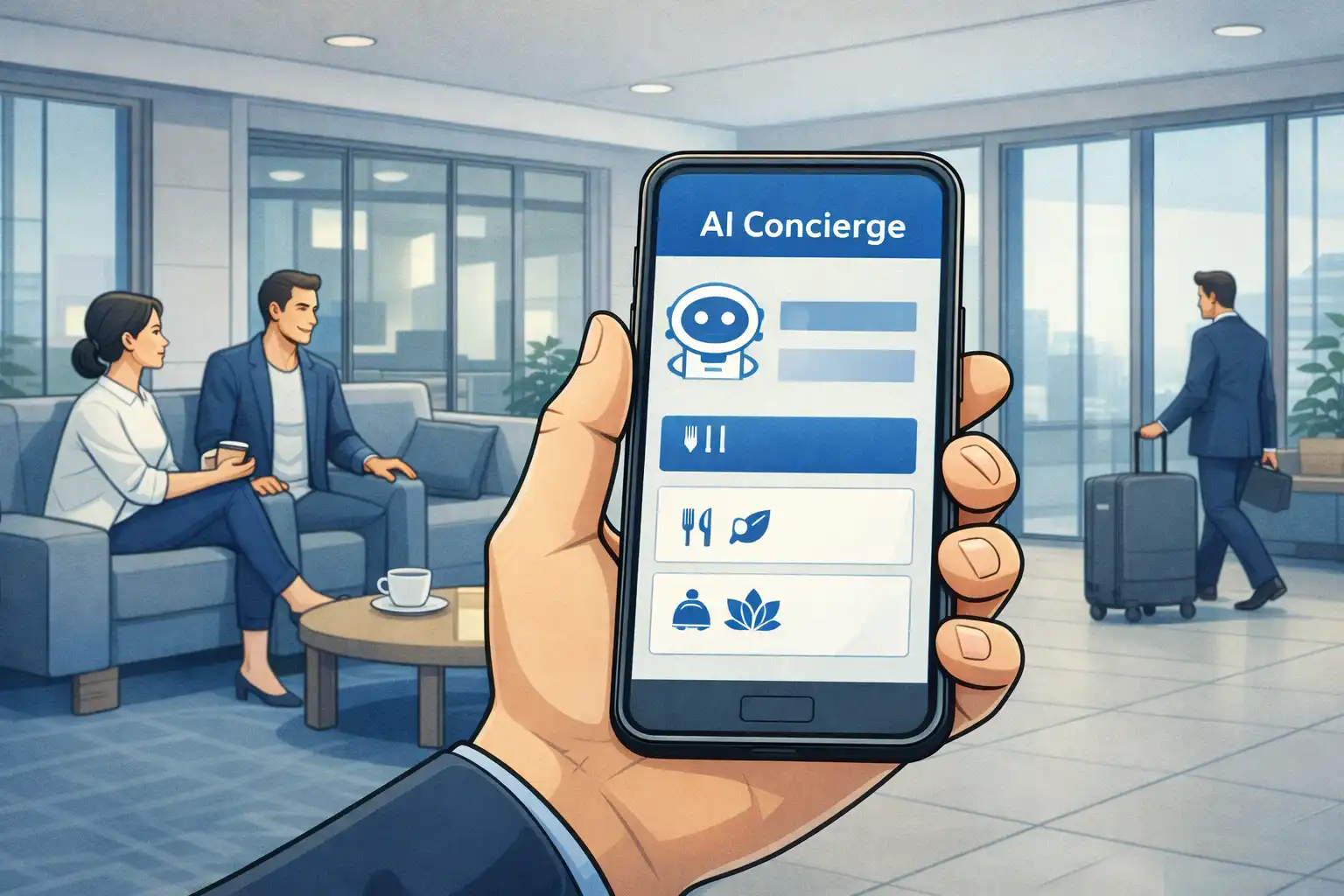
AI in hospitality has the potential to bring about big changes, but hospitality businesses will face certain common problems when they try to use it. Proactively addressing these issues sets apart successful deployments from stopped attempts.
To provide customisation, AI systems need access to private visitor information, which raises real privacy concerns. Set up strong data governance standards that make it clear how data can be collected, stored, and used. Make sure you follow the GDPR and be open with guests about how their data improves their experience while yet keeping it safe.
Front-line workers in the hospitality industry may see the use of AI in hospitality s a danger to their jobs or an undesirable change to how things are done even though the reality is hotel AI tools help with operational efficiency. To counter this, market AI solutions as helpers who take care of everyday duties so that staff can focus on high-value guest interactions that need emotional intelligence and great service. Get team members involved in pilot programs and ask for their input.
Many hotels and restaurants still use property management systems that were created before AI technology became common. Choose hotel AI software that has been shown to work well with other software in the hospitality industry and has APIs that work with common platforms. Instead of replacing the complete system at once, plan for periodic improvements. This will let AI implementations continue while legacy modernization goes on.
Independent properties that are smaller may not have the money to fully implement AI in the hospitality industry. Start with cloud-based options that don't cost much up front and are easy to set up. Spend the most on apps that will pay off the fastest, such hotel AI chatbots or basic revenue management systems. Use the money you save to pay for the next set of apps.
These problems can be solved with good planning, and the problems that come with not adopting are becoming more of a problem than the problems that come with adopting.
Artificial intelligence has gone from being a test technology to becoming a necessary part of running a competitive hotel. AI-powered technologies now make guests happier, boost income, and make operations run more smoothly. Hospitality organizations that use AI can increase both service quality and profits.
We need to take deliberate steps to move forward:
Leaders in the hospitality industry should also keep an eye on how IoT is being used to make smart rooms, how mobile technology is being used to connect with guests, and how new artificial intelligence features like augmented reality property tours are being used. Experts say that AI might make the whole industry 40% more efficient by 2030, but to get these benefits, we need to start now.
AI Vendor Evaluation Checklist
ROI Calculation Framework
Industry Resources