HomeBlog25 Hotel Marketing Strategy Ideas for 2026: Complete Guide
25 Hotel Marketing Strategy Ideas for 2026: Complete Guide
Mika Takahashi
Last updated Jul 26, 2025
Table of contents
Popular Categories
The hospitality industry experienced a major transformation during the recent years. Hotels need to adjust their marketing approaches because 74% of travelers use digital channels and only 7% seek traditional travel agents in 2023. The online world and mobile-first approach along with personalized experiences are where guests now expect to find hotels.
Hotel marketers face their most significant challenge to date. The control of online travel agencies over bookings remains strong because they charge hotels 15-25% commission fees which makes direct bookings essential for maintaining profitable operations. Guest expectations about digital experiences and instant responses and personalized service continue to increase.
This guide contains 25 tested hotel marketing approaches which help you handle digital complexities while boosting direct bookings and developing enduring guest connections. The following actionable strategies will help boutique hotels and luxury properties maintain market leadership while producing quantifiable outcomes.
Understanding Hotel Marketing Strategy
A hotel marketing strategy involves developing specific promotional methods to showcase your property's features while increasing bookings and establishing brand value in the hospitality sector. Hotel marketing requires special approaches because it needs to handle seasonal demand changes and multiple distribution channels and local market dominance.
Hotels now use digital transformation to establish new ways of reaching potential guests. Hotel marketing strategies today need to guide guests through their entire travel process from discovery to post-visit interaction to achieve both short-term reservations and long-term customer loyalty.
Key Differences from General Marketing
Hotel marketing differs significantly from other industries in several crucial ways:
Immediacy and perishability: Hotel rooms are perishable inventory that can’t be stored for later sale
Complex distribution networks: Managing relationships with online travel agencies, metasearch engines, and direct channels
Hyper-local competition: Competing not just with other hotels but with alternative accommodations and local experiences
Understanding the guest journey is fundamental to effective hotel marketing. The typical path includes:
Awareness Stage: Travelers discover your property through search engines, social media platforms, or recommendations
Consideration Phase: Prospects compare options, read online reviews, and explore your hotel website
Booking Process: The critical conversion moment where guests choose between your direct booking engine or third-party platforms
Pre-Stay Communication: Email marketing campaigns and personalized messages that build excitement
During-Stay Experience: Mobile apps, in-room technology, and personalized service delivery
Post-Stay Engagement: Review requests, loyalty program invitations, and targeted promotions for repeat business
Creating Your Hotel Marketing Plan
A hotel marketing strategy development needs a structured data-driven method which matches your property's distinct market position and target guest population.
Setting SMART Marketing Goals
Your hotel marketing efforts should be guided by specific, measurable objectives. Industry-leading hotels typically focus on KPIs such as:
Occupancy Rate: Target percentages for peak, shoulder, and off-season periods
Average Daily Rate (ADR): Revenue optimization goals by room type and season
Direct Booking Ratio: Percentage of bookings made through your commission-free booking engine
Guest Lifetime Value: Long-term revenue potential from repeat bookings and referrals
Budget Allocation Framework
Smart budget allocation across hotel marketing channels ensures the maximum potential return on investment. The data of the hospitality industry suggests the following optimal distribution of budget:
25-35%: Digital paid channels (Google Ads, metasearch, social media advertising)
20-25%: Website optimization, SEO, and content marketing
15-20%: Email marketing and CRM automation
10-15%: Social media management and organic content
10-15%: Local partnerships, events, and community engagement
Monthly Performance Review Process
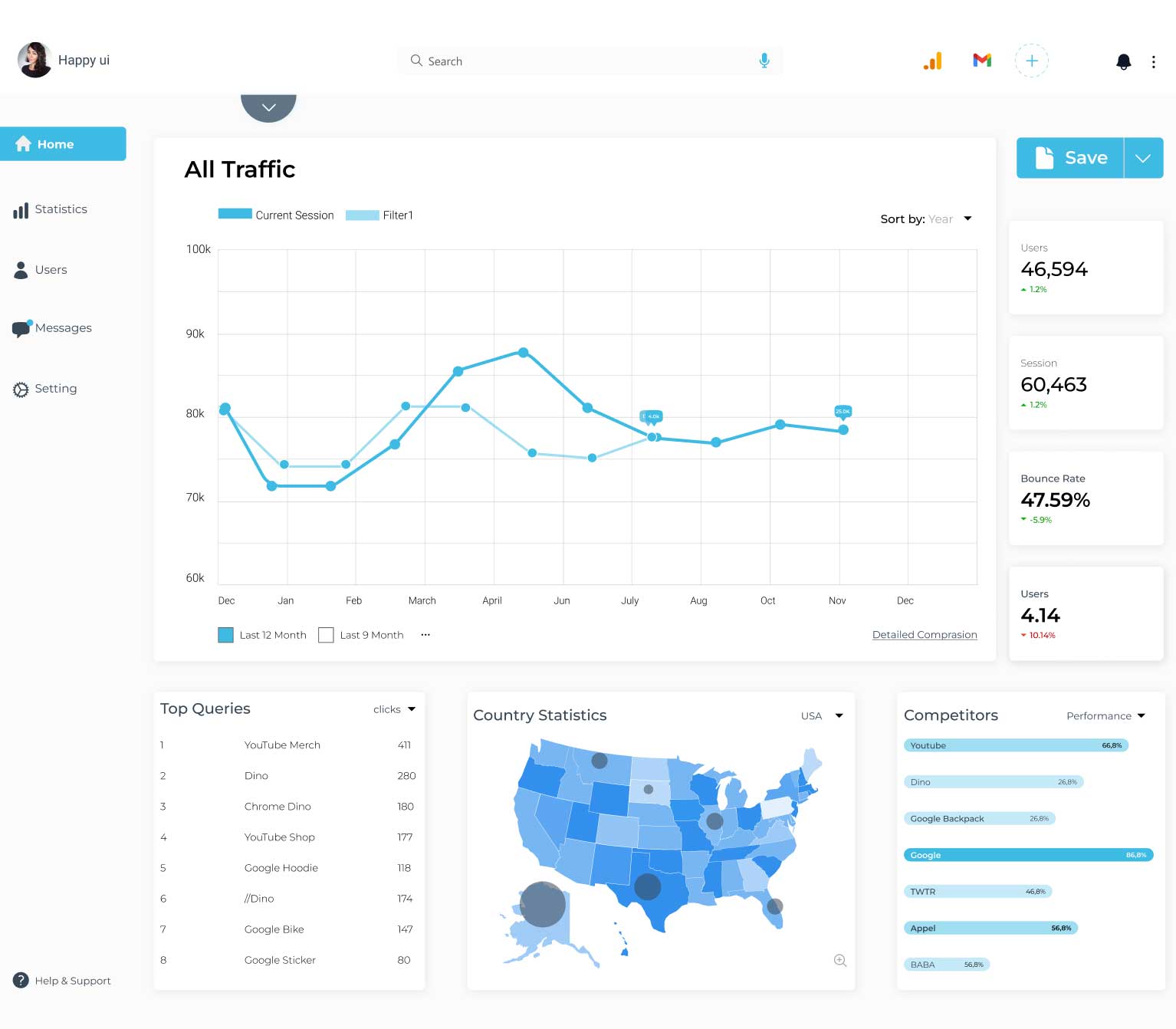
Best-in-class hotels perform monthly performance reviews through dashboards which unite sales data with website analytics and channel performance metrics. The data-driven method allows hotels to optimize their marketing activities continuously while shifting resources quickly to successful channels.
Identifying and Targeting Your Ideal Guests
Hotel marketing success starts with developing a precise understanding of your target audience. Market segmentation enables you to create customized messages while choosing suitable marketing channels and improving booking experiences for various guest segments.
Guest Segmentation Strategies
Consider segmenting your market by:
Travel Purpose: Business travelers, leisure guests, group bookings, wedding parties
Demographics: Age groups, income levels, geographic origin, family composition
Booking Behavior: Advance planners vs. last-minute bookers, package vs. room-only preferences
Psychographics: Experience-seekers, wellness tourists, digital nomads, luxury travelers
Creating Detailed Guest Personas
Develop comprehensive profiles that include:
Demographic Information: Age, location, income, occupation, family status
Digital Behavior: Social media platform usage, device preferences, content consumption habits
Pain Points and Motivations: What drives their travel decisions and potential booking obstacles
Key Questions for Audience Definition
To refine your target audience understanding, regularly ask:
Who are our most profitable existing guests, and what characteristics do they share?
Which marketing channels are these guests using to discover and book with us?
What unique property features or local experiences address specific guest needs?
How does our ideal guest profile compare to our competitors’ target markets?
Digital Marketing Strategies for Hotels
The foundation of current hotel marketing strategies relies on hotel digital marketing which uses various channels to promote awareness and drive consideration and direct bookings.
Search Engine Optimization (SEO)
SEO remains vital for hotels, as 93% of travel research begins on search engines. A comprehensive SEO strategy includes:
Keyword Research for Hospitality
Focus on location-based terms, experience keywords, and accommodation-specific searches:
“best hotels in [city]”
“luxury family resorts [destination]”
“[hotel name] reviews and amenities”
“romantic weekend getaways [location]”
On-Page Optimization Tactics
Optimize title tags and meta descriptions with target keywords and compelling calls-to-action
Implement local SEO elements including NAP (Name, Address, Phone) consistency
Create location-specific landing pages for nearby attractions and events
Ensure mobile-first design with fast loading speeds
Content Marketing for Hotels
Develop valuable content that attracts organic traffic:
Destination guides highlighting local attractions and hidden gems
Seasonal travel tips and event calendars
Behind-the-scenes property stories and staff interviews
Guest experience narratives and testimonials
Technical SEO Considerations
Implement schema markup for ratings, amenities, and availability
Optimize booking engine crawlability and SSL security
Monitor Core Web Vitals and mobile usability
Create XML sitemaps for all property pages and content
Paid Advertising and Search Engine Marketing
Strategic paid advertising improves and expands your organic reach while targeting high-intent travelers:
Google Hotel Ads Strategy
Google Hotel Ads display your rates and availability directly in search engine results, competing with OTA listings. Key tactics include:
Optimize hotel data feeds with accurate pricing and availability
Use competitive bidding strategies during peak booking seasons
Implement dynamic remarketing to show personalized ads to previous visitors
Monitor share-of-voice against local competitors
Metasearch Marketing
Platforms like TripAdvisor, Kayak, and Trivago allow hotels to compete directly with online travel agencies:
Maintain updated rate parity across all channels
Optimize property photos and descriptions for each platform
Monitor competitor positioning and adjust bids accordingly
Track attribution to understand the full guest journey
Social Media Advertising
Facebook and Instagram ads excel at building brand awareness and driving direct bookings:
Create carousel ads showcasing different room types and amenities
Use video ads for virtual property tours and experience highlights
Implement Facebook Pixel for retargeting website visitors
Target lookalike audiences based on your best guests
Social Media Marketing
Each platform needs a specific strategy to achieve maximum engagement and booking success:
Instagram Strategy
Share high-quality photos of rooms, amenities, and local attractions
Use Instagram Stories for behind-the-scenes content and real-time updates
Partner with local influencers for authentic destination marketing
Create location-based hashtags to encourage user-generated content
Facebook Marketing
Maintain an active business page with regular updates and guest interactions
Create Facebook Events for special promotions and local happenings
Use Facebook Groups to build community around your destination
Implement Messenger chatbots for instant guest support
TikTok for Hotels
Create short-form videos showcasing unique property features
Participate in trending challenges with hotel-specific twists
Share “day in the life” content from staff perspectives
Highlight local experiences and attractions near your property
YouTube Content Strategy
Produce high-quality virtual tours and room walkthroughs
Create destination guides and local experience videos
Share guest testimonials and success stories
Develop educational content about local culture and attractions
Website Optimization and Direct Bookings
Your hotel website functions as the main platform to attract direct bookings while minimizing your need for commission-based OTA platforms.
Essential Website Features
Hotels need to optimize their websites for mobile devices since 68% of their website visitors use mobile devices. Critical elements include:
Mobile-First Design
Responsive layouts that adapt to all screen sizes
Touch-friendly navigation and booking interfaces
Fast loading speeds (under 3 seconds)
Streamlined booking process with minimal form fields
Integrated reservation system with real-time availability
Secure payment processing with multiple payment options
Rate parity guarantees and best price promises
Upselling opportunities for room upgrades and packages
Visual Storytelling Elements
High-resolution photography showcasing rooms and amenities
360-degree virtual tours and video walkthroughs
Interactive maps highlighting nearby attractions
Guest review integration and social proof
Conversion Optimization Strategies
A/B Testing Framework Continuously test different elements to maximize booking conversions:
Call-to-action button colors, text, and placement
Booking form layouts and required fields
Special offer presentations and urgency messaging
Room type descriptions and pricing displays
Personalization Tactics
Dynamic content based on visitor location and previous searches
Personalized package recommendations based on travel dates
Returning visitor recognition with tailored offers
Weather-based content and activity suggestions
Chatbot Implementation Deploy AI-powered chatbots to provide instant guest support:
Answer frequently asked questions about amenities and policies
Assist with booking modifications and special requests
Provide local area recommendations and directions
Capture leads for future follow-up when human agents are unavailable
Content Marketing and Storytelling
Hotels can create emotional bonds with potential guests through compelling content marketing which simultaneously boosts search engine rankings and positions them as industry leaders.
Blog Content Strategy
Destination Guides and Local Insights: Develop detailed guides which establish your hotel as the authority in the local area:
Seasonal activity recommendations and event calendars
Hidden gems and off-the-beaten-path attractions
Restaurant reviews and local cuisine highlights
Transportation tips and area navigation guides
Experience-Focused Narratives: Share stories that help guests envision their stay:
Detailed spa treatment descriptions and wellness packages
Romance package features for couples and honeymoners
Family-friendly activities and kid-approved amenities
Business traveler conveniences and meeting facilities
Video Marketing Excellence
Video content plays a major role in booking decisions because 72% of travelers confirm that video tours affect their accommodation selection. The following video strategies prove effective:
Virtual Tours and Walkthroughs
Room type showcases highlighting unique features and amenities
Property tour videos covering public spaces and facilities
Aerial drone footage showcasing location and surroundings
360-degree immersive experiences for online exploration
Guest Testimonial Videos
Authentic reviews from recent guests sharing their experiences
Staff interview videos highlighting personalized service
Before-and-after transformation stories from spa treatments
Special event coverage showcasing your venue capabilities
User-Generated Content Campaigns
Guests should be encouraged to produce content that displays genuine experiences:
Hashtag Campaigns
Create memorable, location-specific hashtags for social sharing
Offer incentives for guests who share photos using your hashtags
Curate the best user-generated content for your marketing channels
Feature guest photos in email marketing campaigns and website galleries
Review and Testimonial Integration
Showcase positive reviews prominently on your hotel website
Create video testimonials from satisfied guests
Respond professionally to all online reviews to demonstrate care
Use review highlights in social media content and advertising
Email Marketing and Guest Communication
Hotels achieve their highest return on investment through hotel email marketing because it allows them to deliver personalized messages to guests at every stage of their journey.
List Building and Segmentation
Strategic List Building
Offer valuable lead magnets like local area guides or exclusive discounts
Implement exit-intent popups with special offers for first-time visitors
Collect email addresses during the booking process and check-in
Partner with local businesses for cross-promotional list building
Advanced Segmentation Strategies Segment your email lists based on:
Past booking behavior and stay frequency
Room type preferences and spending patterns
Geographic location and seasonal travel patterns
Special interests like spa treatments, dining, or business amenities
Automated Email Sequences
Pre-Stay Communication Series
Booking confirmation with upselling opportunities for spa treatments or dining
Pre-arrival emails with local weather, events, and packing suggestions
Mobile check-in instructions and special request collection
Last-minute upgrade offers and package additions
During-Stay Engagement
Welcome messages with WiFi passwords and property information
Daily activity suggestions based on weather and local events
Concierge recommendations for dining and entertainment
Feedback collection for real-time service recovery
Post-Stay Follow-Up
Thank you messages with photos from their stay
Review request emails with direct links to preferred platforms
Loyalty program invitations and points balance updates
Targeted promotions for future stays based on their preferences
Email Performance Optimization
Subject Line Testing Test different approaches to maximize open rates:
Personalization with guest names and stay details
Urgency messaging for limited-time offers
Benefit-focused headlines highlighting value
Emoji usage for visual appeal (when appropriate for your brand)
Content Personalization
Dynamic content blocks showing relevant packages and amenities
Location-based recommendations for local experiences
Previous stay references and photo callbacks
Seasonal messaging aligned with travel patterns
Revenue Management and Pricing Strategies
The integration of modern revenue management systems with hotel marketing operations enables hotels to achieve maximum occupancy and profitability.
Dynamic Pricing Implementation
Data-Driven Rate Optimization Use revenue management software that considers:
Competitor pricing analysis and market positioning
Historical booking patterns and demand forecasting
Local event calendars and seasonal trends
Real-time booking pace and inventory levels
Package Creation Strategies Create packages that increase average daily rate:
Romantic packages with spa treatments, champagne, and late checkout
Business traveler packages including breakfast, WiFi, and meeting room access
Family packages with connecting rooms, kid-friendly amenities, and local attraction tickets
Extended stay packages with weekly rates and complimentary services
Upselling and Cross-Selling
Pre-Arrival Upselling
Email campaigns featuring room upgrades at discounted rates
Spa treatment add-ons with booking confirmation messages
Dining package inclusions with advance reservation benefits
Transportation and tour booking through hotel partnerships
On-Site Revenue Enhancement
Mobile app notifications for same-day spa availability
In-room dining promotions during peak restaurant hours
Late checkout offers for an additional fee
Local experience bookings through concierge services
Competitive Analysis Framework
Rate Shopping Best Practices
Daily competitor rate monitoring across all room types
OTA positioning analysis and rate parity maintenance
Package comparison and value proposition assessment
Seasonal pricing strategy evaluation and adjustment
Reputation Management and Guest Reviews
Hotels need to manage their reputation because online reviews determine both how customers choose their accommodations and how search engines rank their properties.
Review Platform Management
Multi-Platform Strategy Monitor and manage reviews across:
Google Business Profile for local search visibility
TripAdvisor for travel planning influence
Booking.com and other OTA platforms where you’re listed
Social media platforms where guests might share experiences
Response Strategy Framework
Respond to positive reviews with gratitude and specific details
Address negative reviews professionally with solutions and offline follow-up
Maintain consistent brand voice across all platform responses
Use reviews as feedback for operational improvements
Encouraging Guest Reviews
Strategic Review Solicitation
Send review requests 24-48 hours after checkout when experience is fresh
Provide direct links to your preferred review platforms
Offer small incentives like loyalty points for honest feedback
Train staff to mention review platforms during positive guest interactions
Review Generation Tactics
QR codes in guest rooms linking to review platforms
Follow-up phone calls for VIP guests requesting feedback
Social media campaigns encouraging sharing of experiences
Partnership with guest services to identify satisfied guests for review requests
Converting Reviews into Marketing Content
Social Proof Integration
Feature positive review excerpts on your hotel website homepage
Create social media graphics highlighting guest testimonials
Include review highlights in email marketing campaigns
Use guest quotes in paid advertising copy
Local Marketing and Partnerships
Your hotel can build stronger local ties which will improve its community standing and generate important marketing potential.
Community Partnership Development
Local Business Collaborations
Restaurant partnerships offering guest discounts and special menus
Attraction partnerships with exclusive access or package deals
Transportation partnerships for airport shuttles and local tours
Retail partnerships with local artisans and specialty shops
Event-Based Marketing
Sponsor local festivals and community events for brand visibility
Create special packages around major area events and conferences
Partner with wedding venues and event planners for group bookings
Collaborate with local sports teams for fan package offerings
Property management system integration for seamless point tracking
Mobile app development for easy account management
Email automation for point balance updates and reward notifications
Social media integration for sharing achievements and experiences
Guest Retention Strategies
Personalization at Scale
Birthday and anniversary recognition with special offers
Previous stay preferences automatically applied to future bookings
Customized package recommendations based on past spending patterns
Preferred room assignment and amenity delivery
VIP Treatment Programs
Exclusive check-in areas and expedited service
Complimentary room upgrades based on availability
Personal concierge services for frequent guests
Early access to special events and new amenities
Measuring Loyalty Program Success
Key Performance Indicators
Repeat booking ratio and frequency increases
Guest lifetime value calculations and trends
Program enrollment rates and active member engagement
Revenue per member compared to non-members
Emerging Technologies and Trends
Hotels that stay ahead of technological trends can provide innovative guest experiences while maximizing their marketing effectiveness.
Artificial Intelligence Applications
Marketing Automation
AI-powered systems can handle 60-80% of guest queries instantly while increasing direct sales through intelligent upsell recommendations. Applications include:
Chatbot deployment for 24/7 customer service
Dynamic pricing optimization based on demand patterns
Personalized content delivery based on browsing behavior
Predictive analytics for marketing campaign optimization
Voice-activated room controls and information systems
Personalized app experiences with AI-powered recommendations
Automated check-in and check-out processes
Intelligent room assignment based on guest preferences
Voice Search Optimization
The importance of voice search optimization grows stronger because 22% of hotel searches begin through voice assistants.
Voice SEO Strategies
Optimize for conversational, long-tail keywords
Create FAQ content that answers natural language questions
Implement structured data markup for rich search results
Focus on local search optimization for “near me” queries
Virtual and Augmented Reality
Property Showcasing VR tours can increase booking conversion rates by 17%, making them valuable marketing tools:
360-degree room tours and property walkthroughs
Virtual destination experiences highlighting local attractions
AR apps that provide information overlays during property tours
Virtual event space tours for meeting and wedding planners
Sustainability Marketing
The growing awareness of environmental issues drives 47% of travelers to select accommodations based on sustainability which makes sustainable marketing strategies more vital than ever:
Green Marketing Strategies
Highlight eco-friendly certifications and practices
Showcase renewable energy and waste reduction initiatives
Partner with local conservation organizations
Create packages that include sustainable local experiences
Performance Measurement and Analytics
Data-driven decision making enables your hotel marketing strategies to produce quantifiable results while allowing for ongoing improvement.
Essential KPIs for Hotel Marketing
Revenue Metrics
Average Daily Rate (ADR) tracking across all segments
Revenue Per Available Room (RevPAR) for overall performance assessment
Total Revenue Per Guest including ancillary spending
Direct booking revenue percentage and growth trends
Marketing Performance Indicators
Website conversion rates by traffic source and campaign
Cost per acquisition (CPA) for each marketing channel
Email marketing open rates, click-through rates, and revenue per email
Social media engagement rates and follower growth
Analytics Implementation
Google Analytics 4 Setup
Enhanced ecommerce tracking for booking funnel analysis
Goal configuration for micro and macro conversions
Audience segmentation for different guest types
Attribution modeling to understand multi-touch customer journeys
Marketing Attribution
Cross-channel attribution to identify the most effective marketing mix
Customer journey mapping from awareness to booking
Lifetime value tracking for long-term marketing ROI assessment
Seasonal performance analysis for budget allocation optimization
Reporting and Optimization
Monthly Performance Reviews
Channel performance analysis with budget reallocation recommendations
Competitive positioning updates and market share tracking
Guest satisfaction correlation with marketing channel performance
Emerging trend identification and strategy adjustment recommendations
Quarterly Strategic Assessment
Marketing strategy effectiveness evaluation
ROI analysis for major campaigns and initiatives
Market condition changes and competitive landscape updates
Technology upgrade recommendations and implementation planning
25 Hotel Marketing Strategy Action Items
The following checklist provides detailed actionable strategies to help you implement these methods effectively:
Foundation Building (Strategies 1-5)
Audit your current guest data to create detailed personas based on booking behavior, preferences, and profitability
Implement a commission-free booking engine with mobile optimization and real-time availability
Set up Google Analytics 4 with enhanced ecommerce tracking and conversion goal configuration
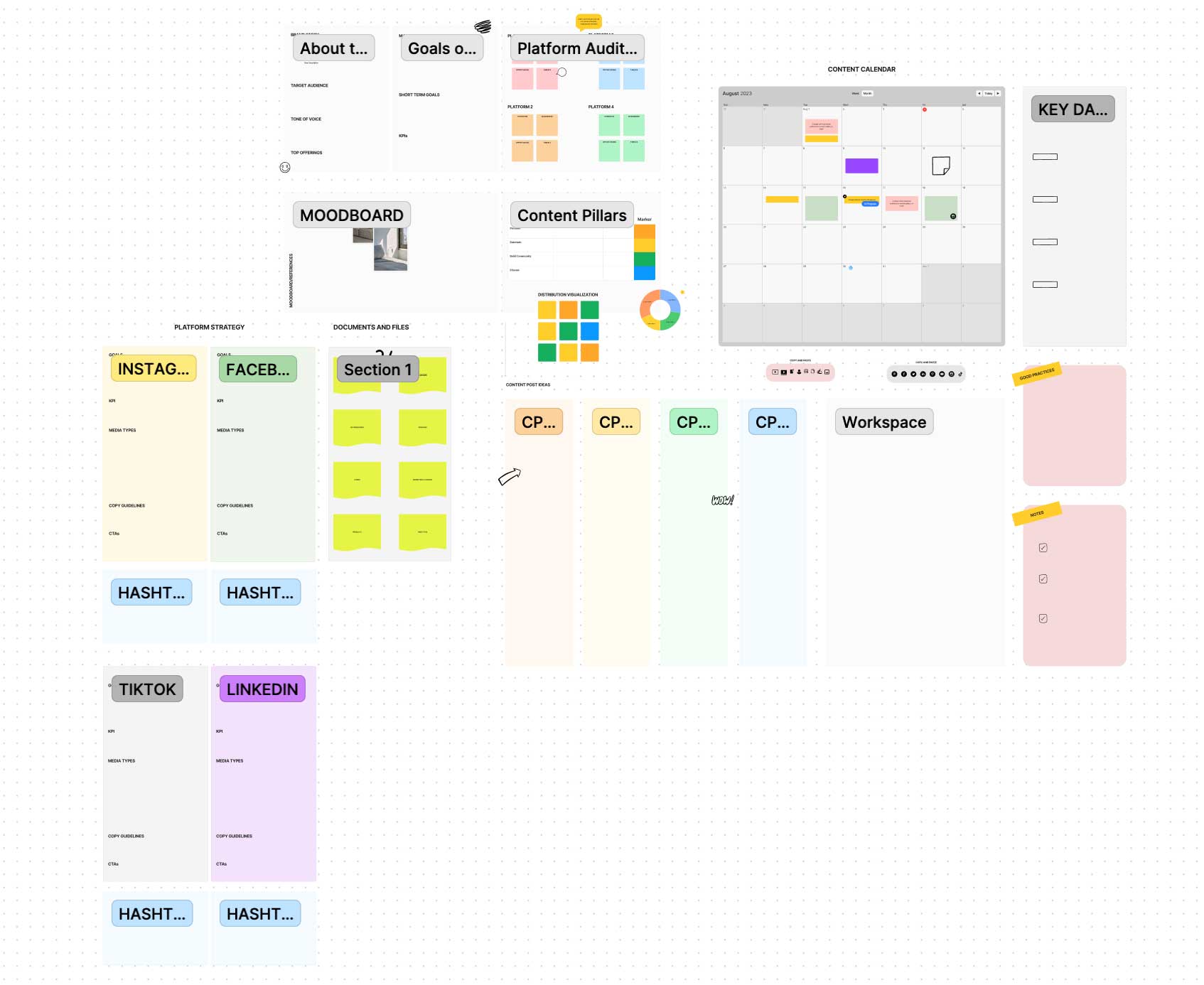
Develop a content calendar covering seasonal events, local attractions, and property highlights
Create a monthly performance review process tracking ADR, RevPAR, and direct booking ratios
SEO and Content Marketing (Strategies 6-10)
Conduct keyword research focusing on location-based and experience-driven search terms
Optimize your Google Business Profile with current photos, amenities, and review responses
Launch a hotel blog featuring destination guides, local insights, and guest experience stories
Implement schema markup for ratings, amenities, and booking information
Create location-specific landing pages for nearby attractions, events, and business districts
Social Media and Digital Advertising (Strategies 11-15)
Develop platform-specific social media strategies for Instagram, Facebook, and TikTok
Launch Google Hotel Ads campaigns with competitive bidding and dynamic remarketing
Create user-generated content campaigns with branded hashtags and guest photo contests
Implement Facebook and Instagram advertising with carousel ads and video content
Set up retargeting campaigns for website visitors who didn’t complete bookings
Email Marketing and Communication (Strategies 16-20)
Build automated email sequences for pre-stay, during-stay, and post-stay communication
Segment email lists based on guest type, booking behavior, and preferences
Implement chatbots for instant customer service and lead qualification
Create personalized offers based on past stay data and seasonal preferences
Launch a monthly newsletter featuring local events, hotel updates, and exclusive offers
Revenue Management and Retention (Strategies 21-25)
Implement dynamic pricing using revenue management software and competitor analysis
Develop package offerings for different guest segments and seasonal demand
Launch a loyalty program with meaningful rewards and tier-based benefits
Create partnerships with local businesses, attractions, and event organizers
Establish a reputation management system for monitoring and responding to reviews across all platforms
Conclusion
The hospitality industry needs a strategic multi-channel approach to hotel marketing during its digital transformation. Success demands more than maintaining an online presence because it needs sophisticated guest behavior understanding and data-driven decision making and seamless integration across all guest journey touchpoints.
The 25 strategies presented in this guide establish a complete system to decrease online travel agency dependence while creating direct guest connections. The marketing ecosystem combines various strategies including search engine optimization and social media marketing and advanced email automation and AI-powered personalization to achieve direct bookings and guest loyalty.
Hotel marketing remains an ongoing process which needs regular monitoring and testing along with continuous optimization. The most successful properties track their performance metrics and stay informed about industry trends while adjusting their strategies to match guest expectations and market conditions.
Begin by evaluating your present marketing strategies against this framework to determine the most significant areas for enhancement then execute changes methodically. Establish a solid website and booking engine foundation before you move forward to implement advanced marketing strategies which include AI personalization and voice search optimization.
Hotel marketing strategies which receive comprehensive investment lead to higher direct bookings and elevated guest lifetime value and decreased dependence on commission-based distribution channels. These tested marketing strategies will position you for success in the competitive hospitality industry throughout 2026 and future years.
Frequently Asked Questions
What is a hotel marketing strategy?
It’s an integrated, data-driven plan that blends digital, experiential, and sustainability storytelling to attract and convert guests across every stage of the traveler journey.
Which marketing channels produce the highest ROI right now?
Metasearch ads, short-form social video, and first-party email continue to deliver the strongest direct-booking returns when paired with smart retargeting.
What is social commerce and how can hotels use it?
Social commerce lets guests book or buy add-ons without leaving the feed; hotels integrate shoppable posts and influencer takeovers to capture impulse demand.
Are loyalty programs still relevant to marketing strategy?
Yes—zero-party data from loyalty sign-ups fuels cheaper, privacy-compliant remarketing and unlocks member-only direct rates that outcompete OTAs.
How should hotels optimize for voice search and zero-click bookings?
Use conversational keywords, structured FAQ schema, and Google Business Messages so assistants like Alexa or Siri surface your property first.
Which KPIs prove a hotel marketing strategy is working?
Track Direct-Booking Share, ROAS, Cost per Acquisition, Brand-search volume, and Net RevPAR versus your comp set.
How often should hotels refresh their marketing strategy?
Audit performance quarterly and realign tactics annually—or sooner if market demand, tech platforms, or guest segments shift materially.
Elevate Operations, Delight Guests, and Boost Revenue
 Mika Takahashi